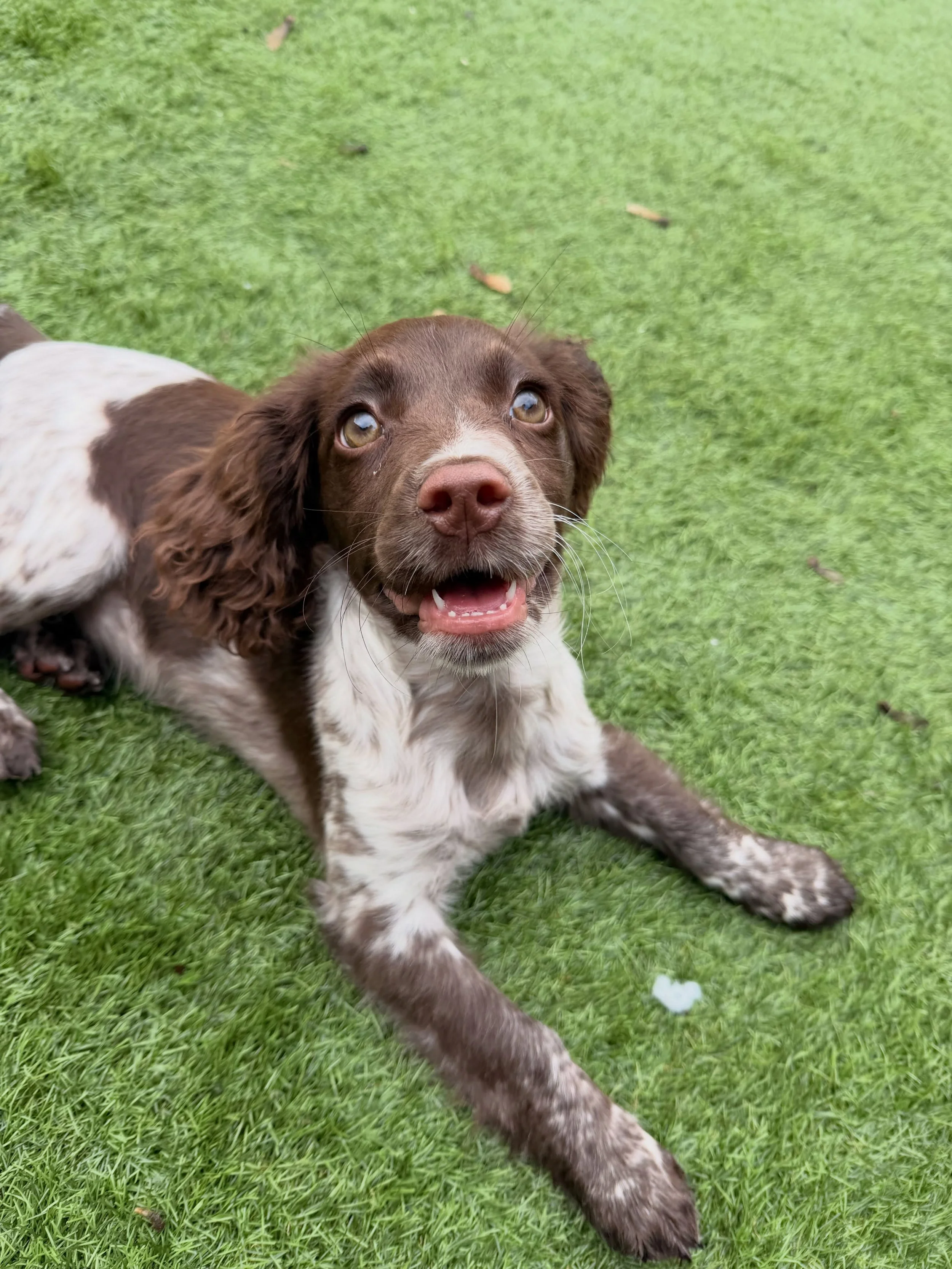
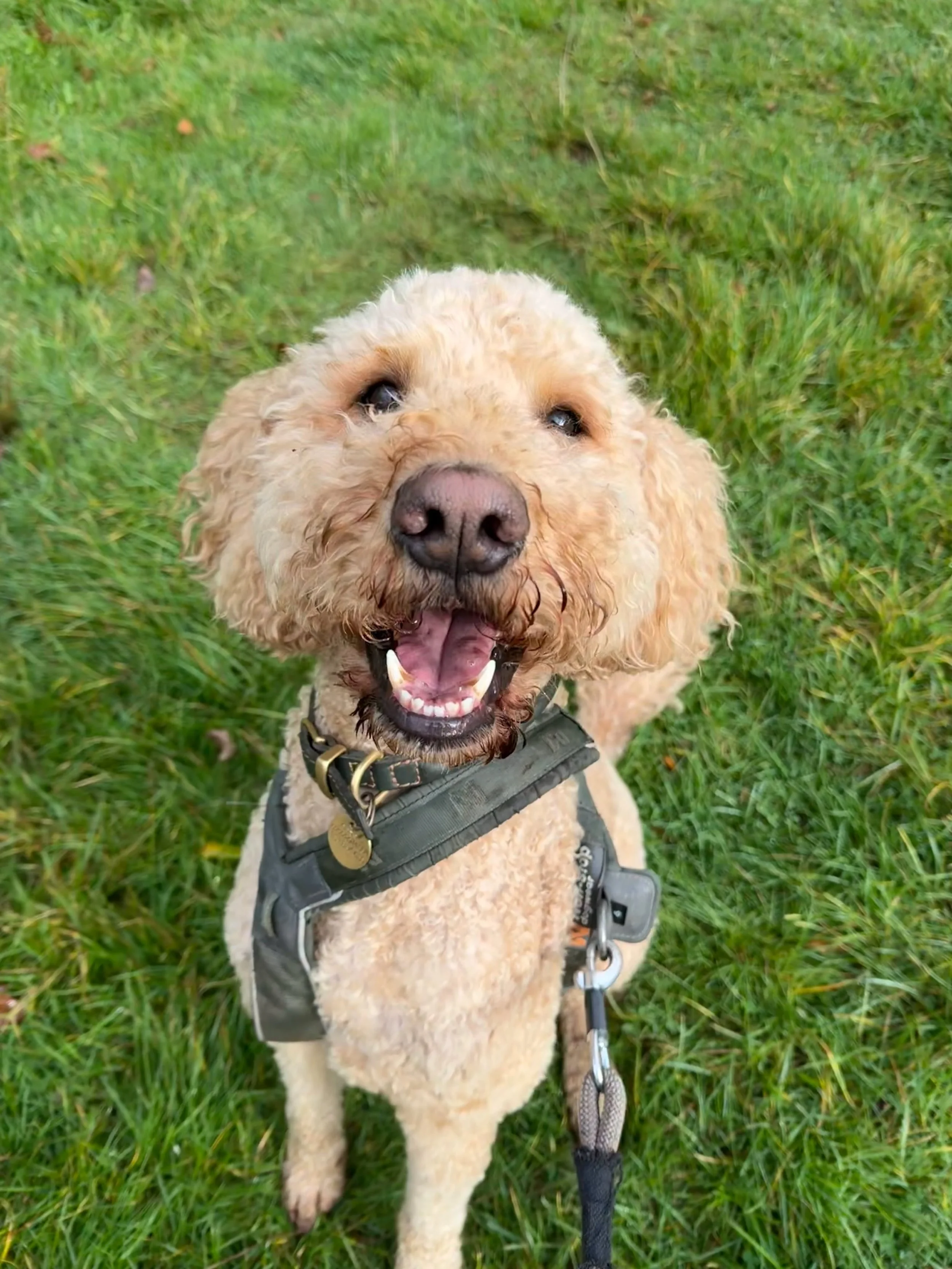
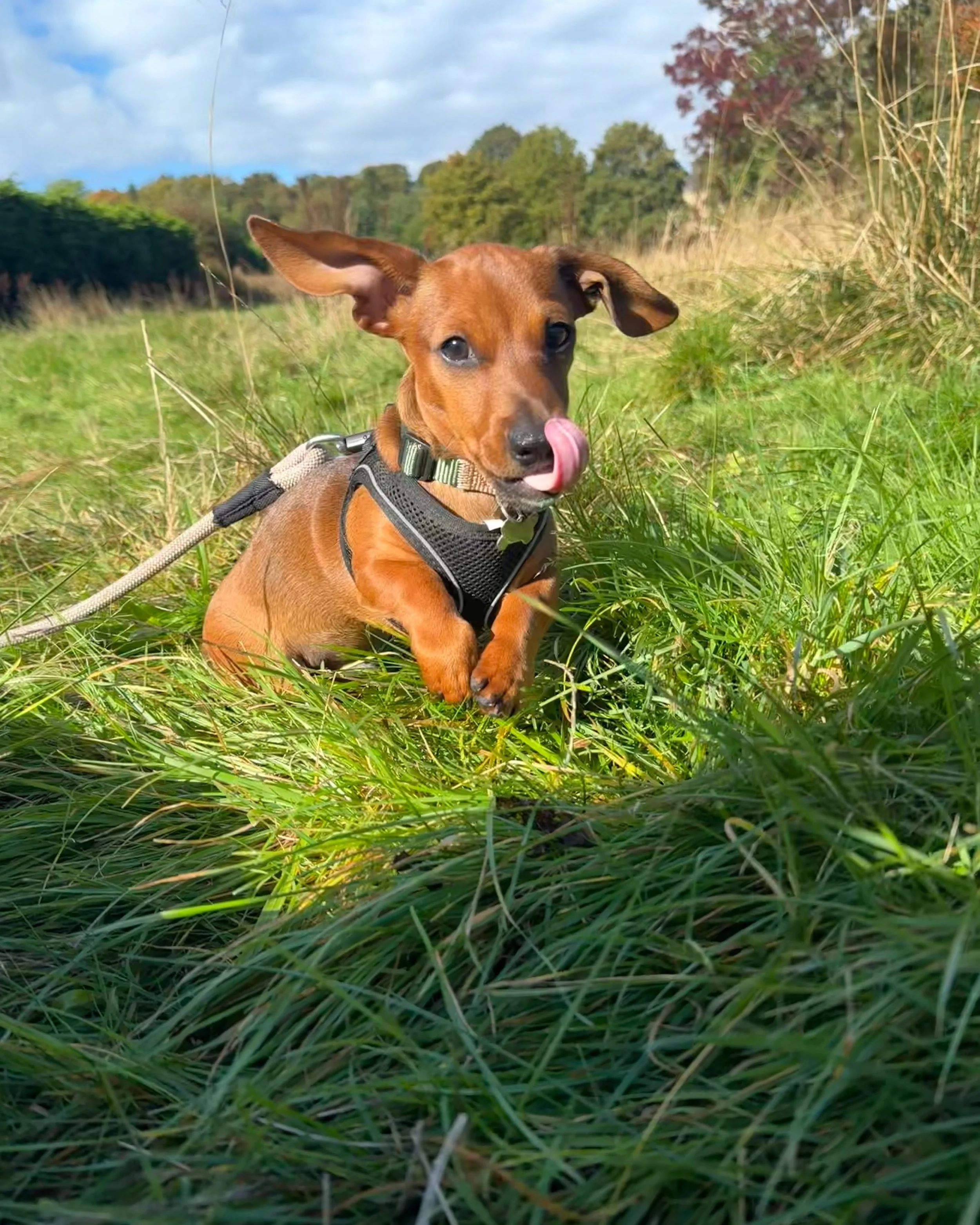
Your trusted, friendly dog experts, bringing care, connection and compassion to dogs in every walk of life.

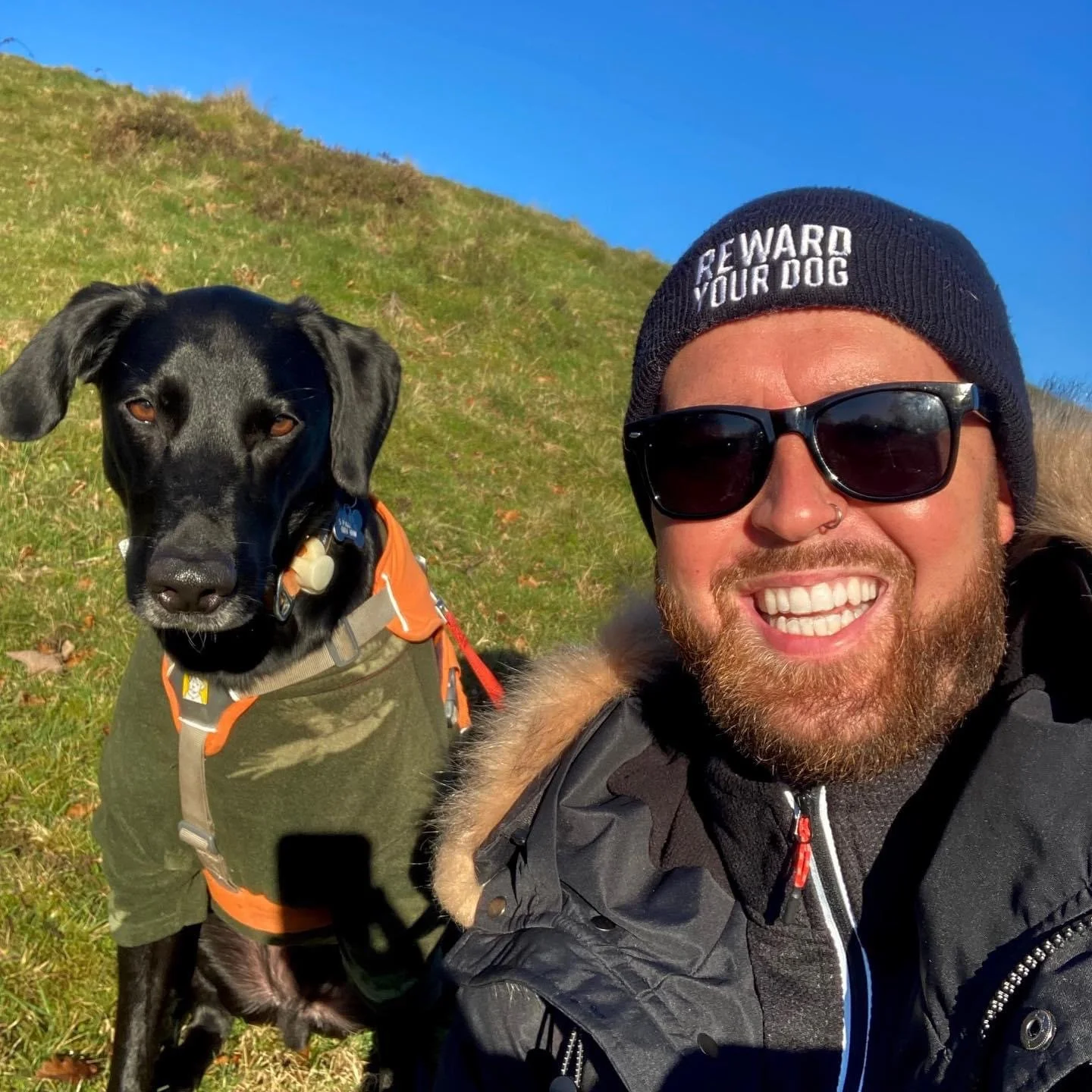
At Martyn’s Mutts, we believe in nurturing the bond between dogs and their humans. Based on trust, communication and understanding, our services are designed to support every dog’s journey to becoming a happy, well-balanced companion.
We hope you’ll join the hundreds of humans who have put their trust in our care.
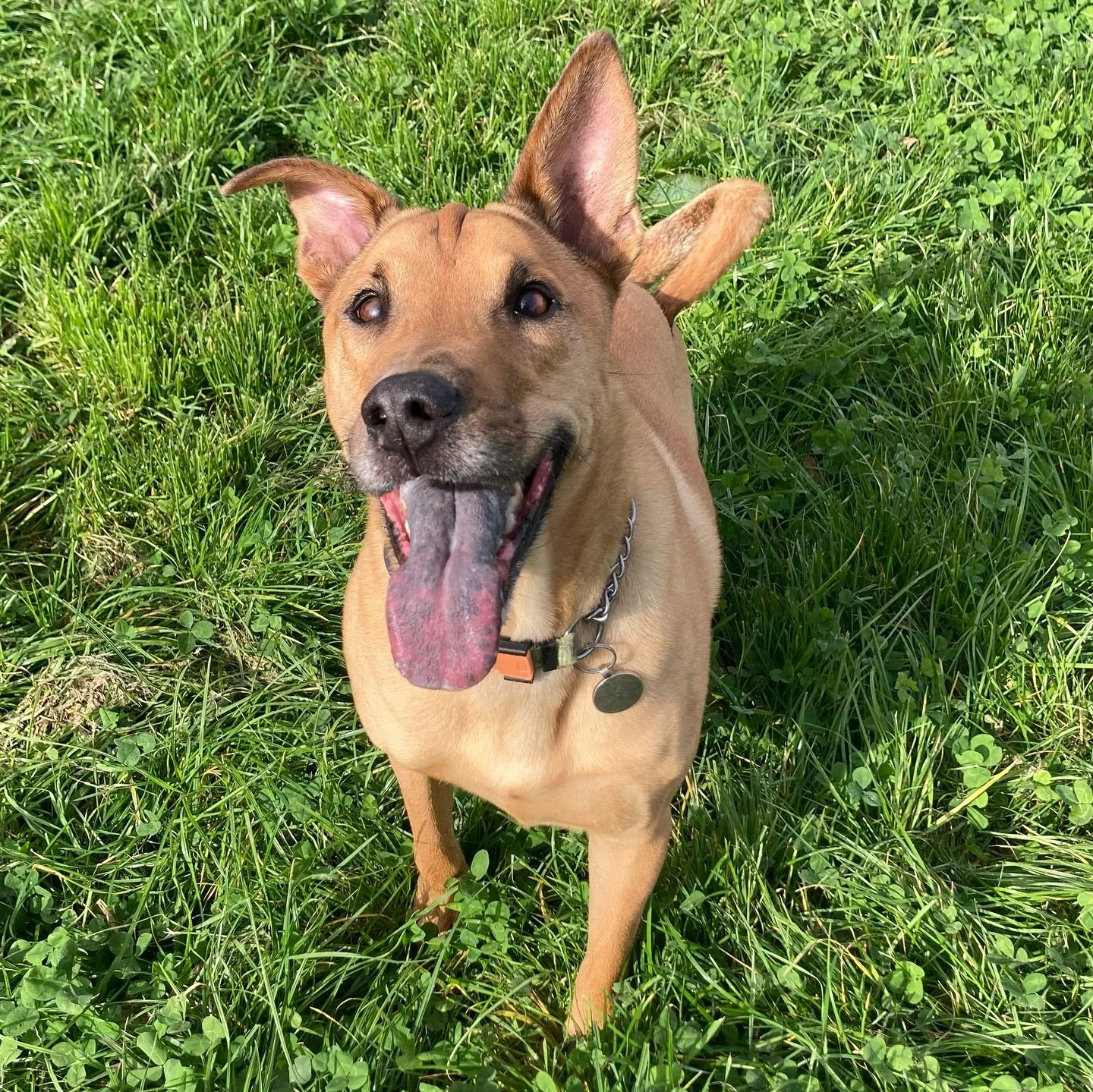

Finn’s Mum, Kath
“Since meeting Martyn the difference in my boy is remarkable. He is now a confident boy enjoying the company of his friends. Finn has absolutely come on leaps and bounds, and this is only due to the patience and knowledge that Martyn has in all areas of doggies. He has given Finn the time and space that he needed and was happy to move at Finns pace, your furball to Martyn is always the priority.”
Our Services
-
![]()
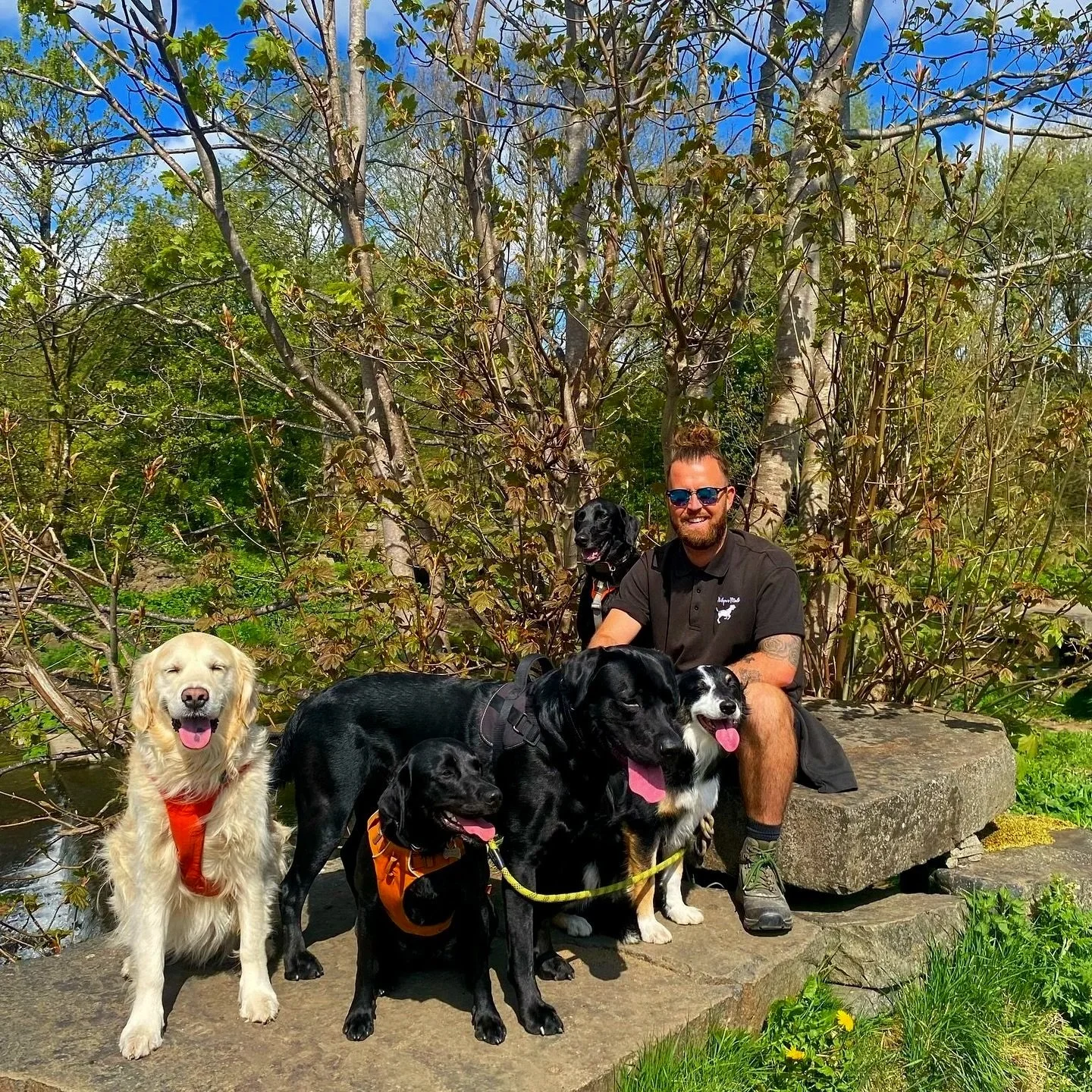
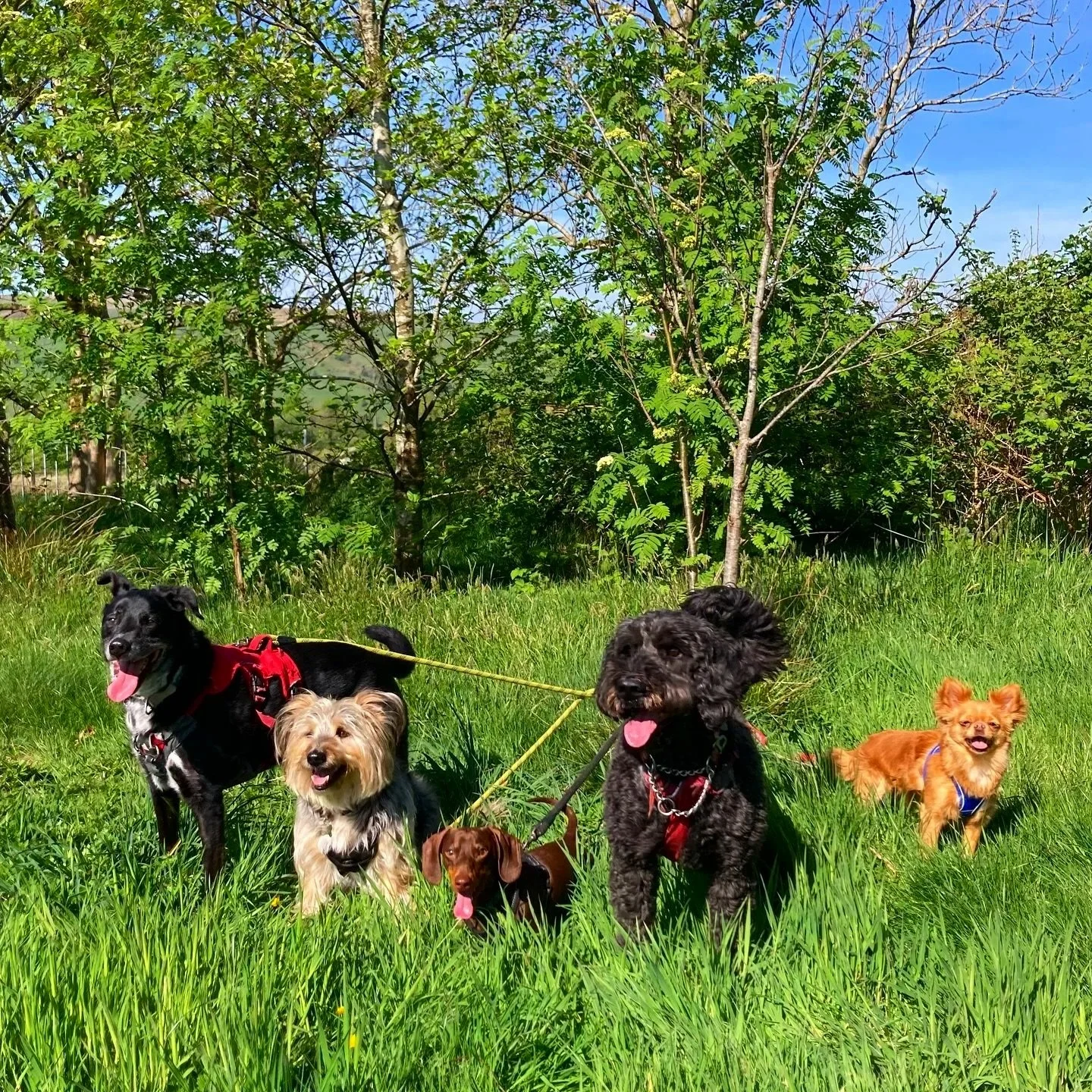
Group walks that build confidence, calm and connection
from £16
-
![]()
Training to help your dog put their best paw forwards
from £60
-
![]()
Behaviour consultations for canine behavioural challenges
from £250
-
![]()
Guidance to help your rescue dog settle into their new home
from £150
-
![]()
Keeping tails wagging with in-home dog sitting whilst you’re away
from £40
-
![]()
Wedding chaperoning to include your best friend in your big day
from £280

Why Choose Us?

Over 7 years experience
Working with dogs of all ages, sizes, breeds and temperaments.Certified professional
Certified in dog first aid, professional dog walking and canine behaviour. Insured and DBS checked
Fully insured for dog walking, training, behaviour and all other services. 
Pep’s Mum, Elizabeth
“100% recommend Martyn. Martyn has a genuine passion for dogs and I wouldn’t trust my little best friend with anyone else.”
Gallery
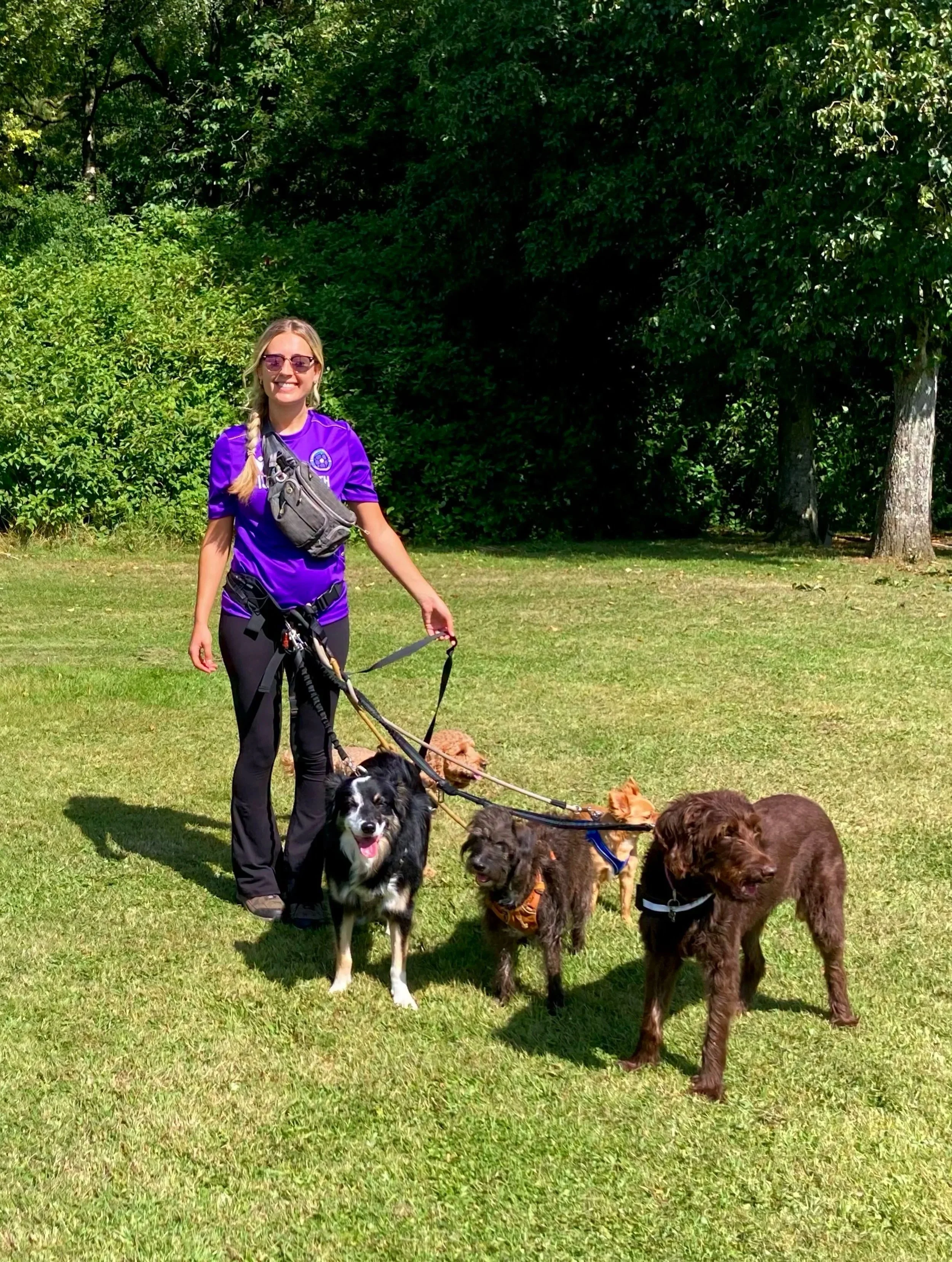
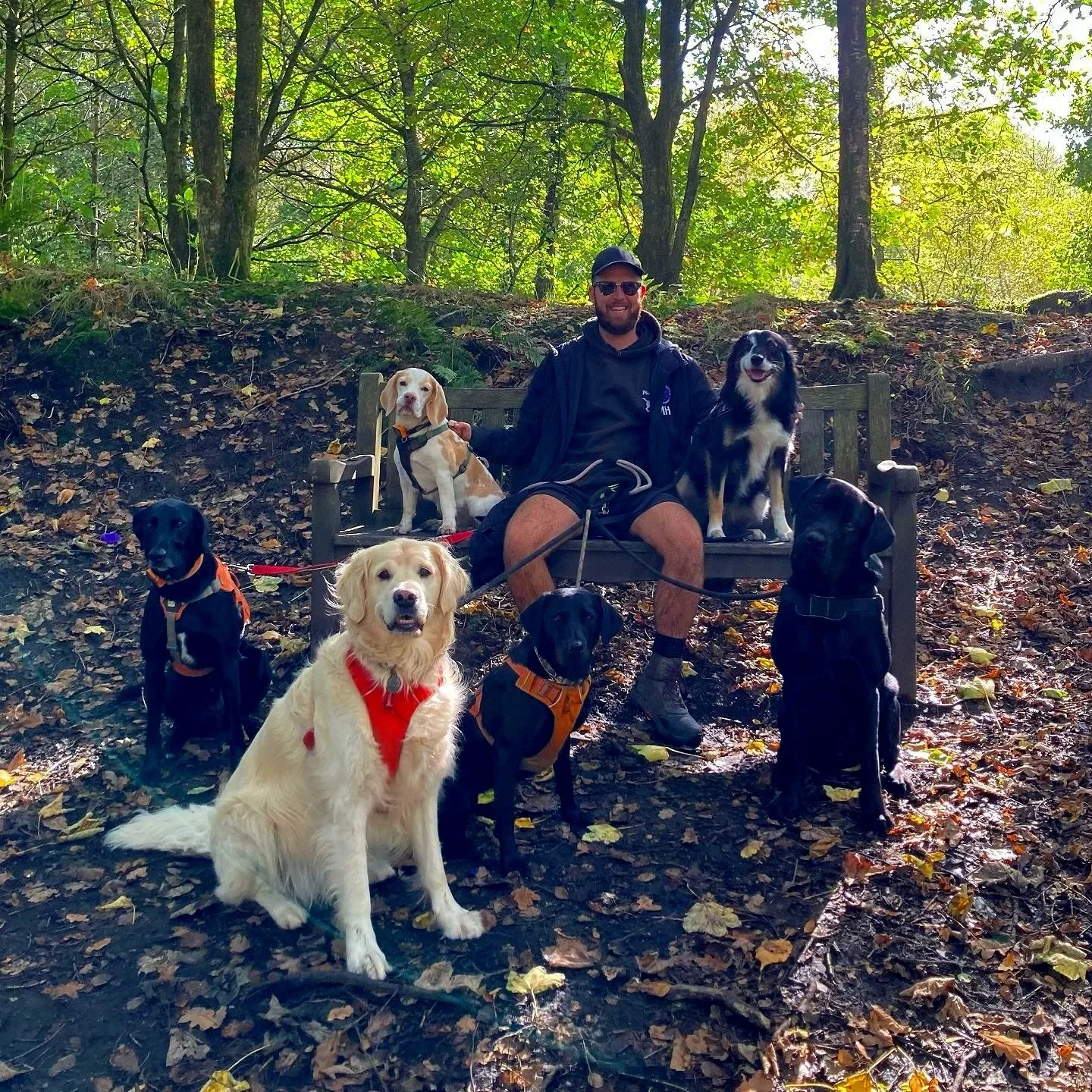
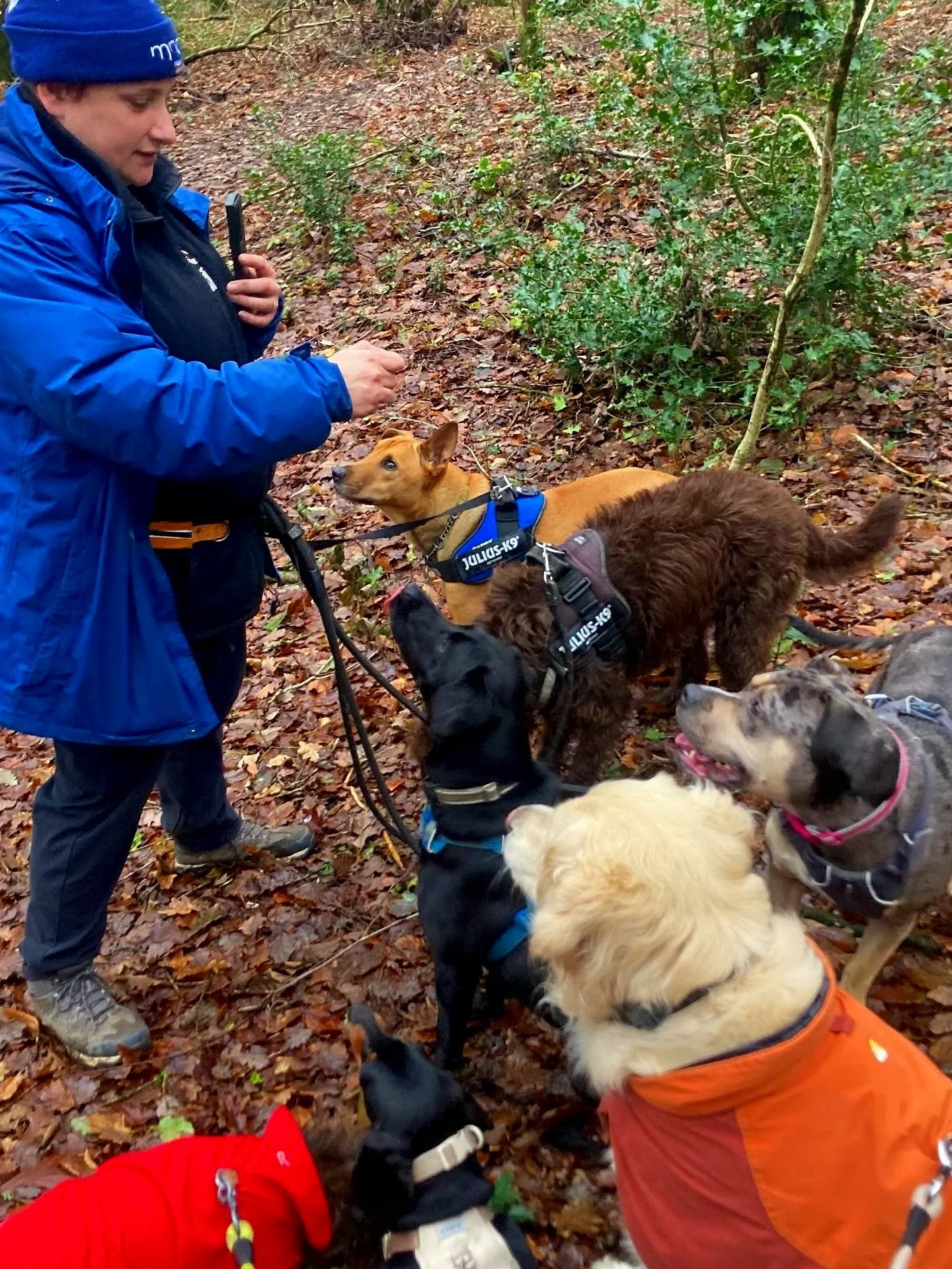
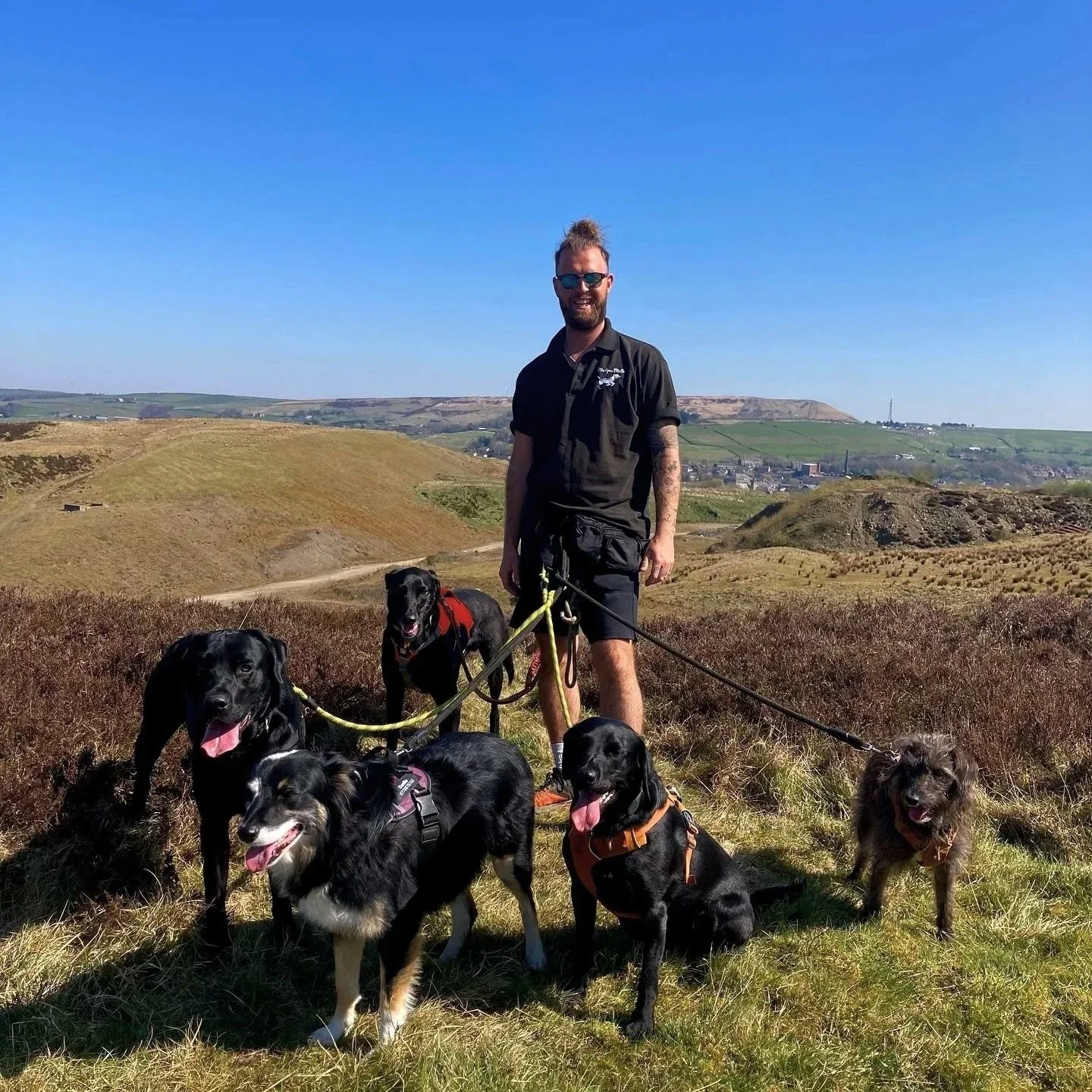
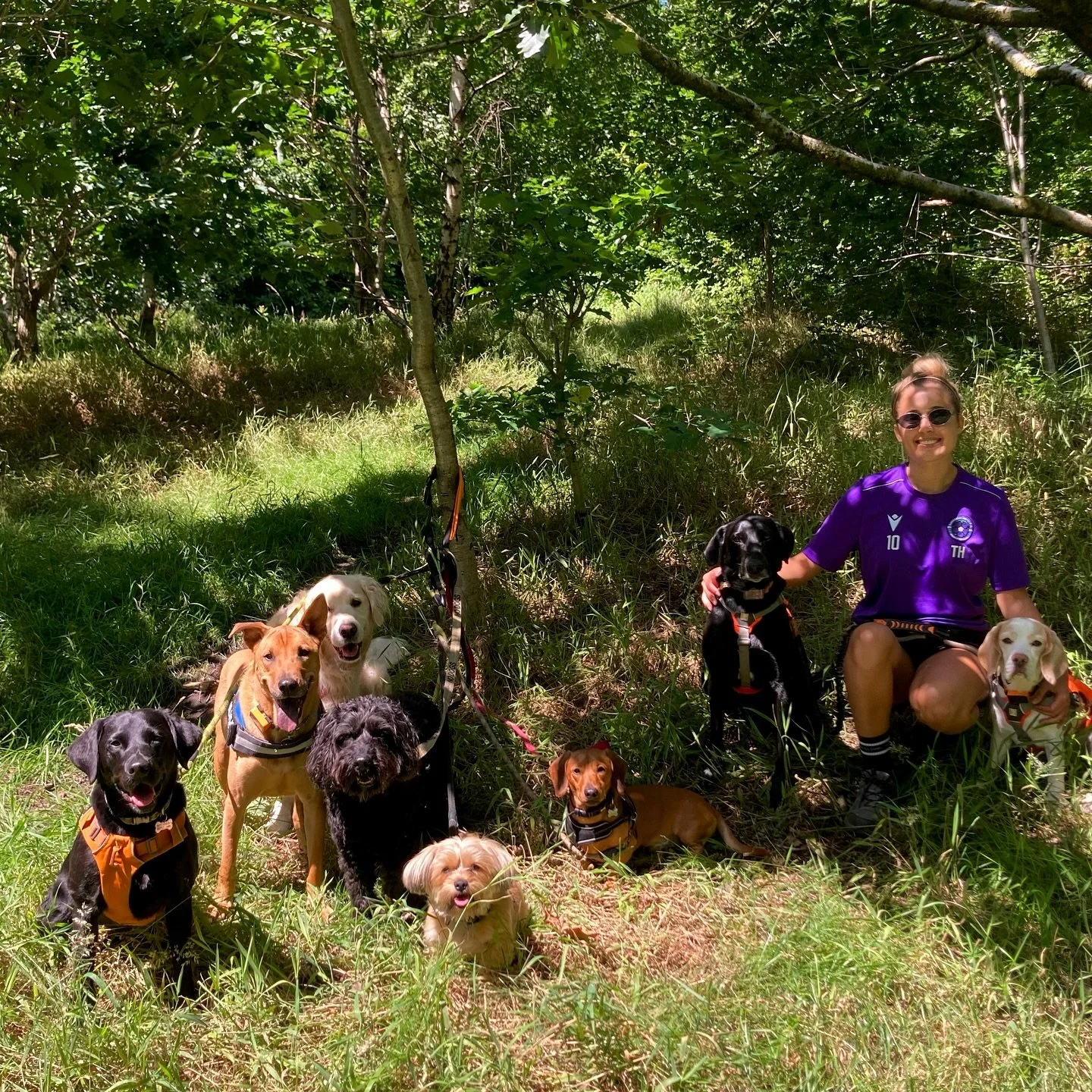
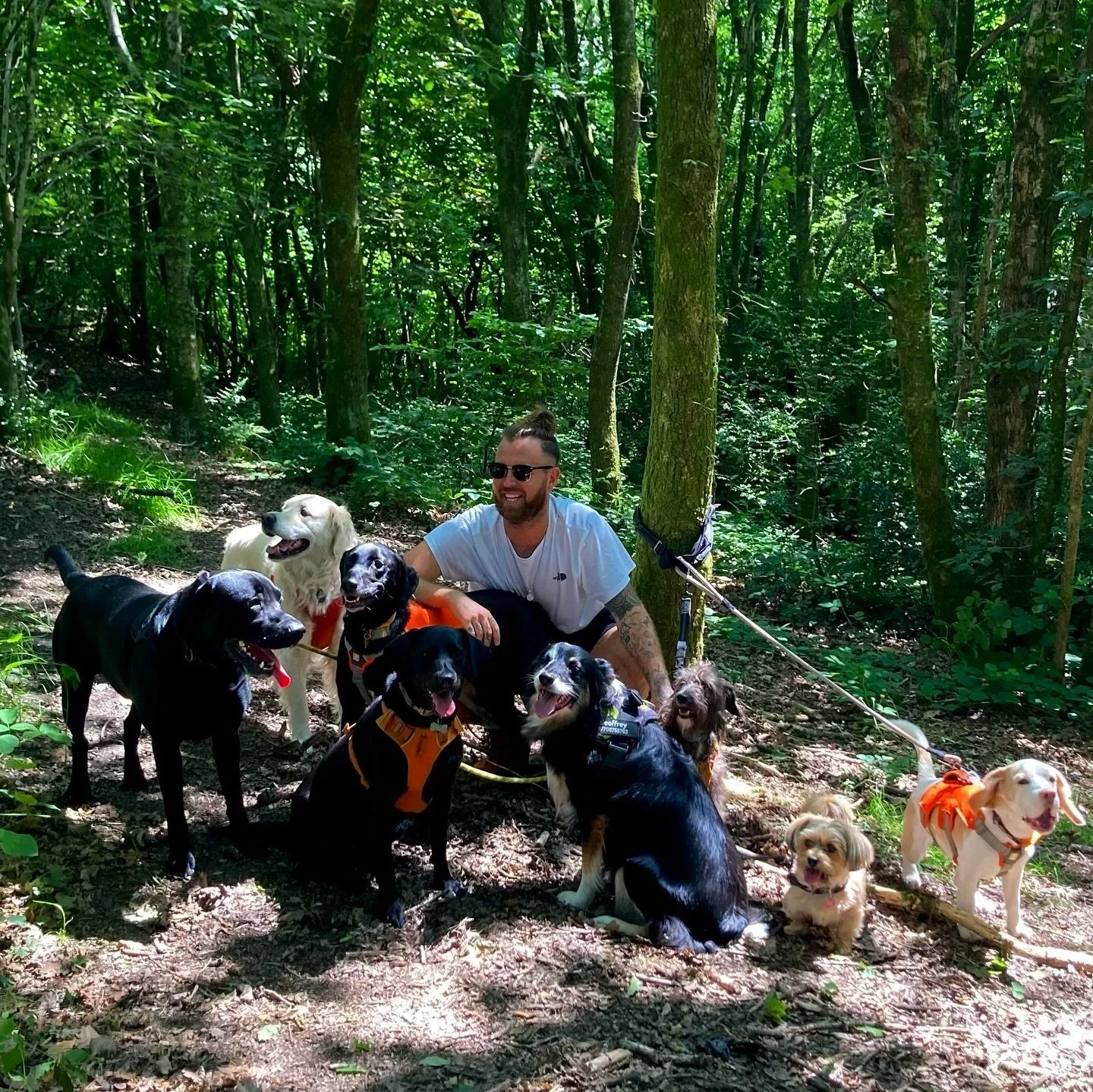
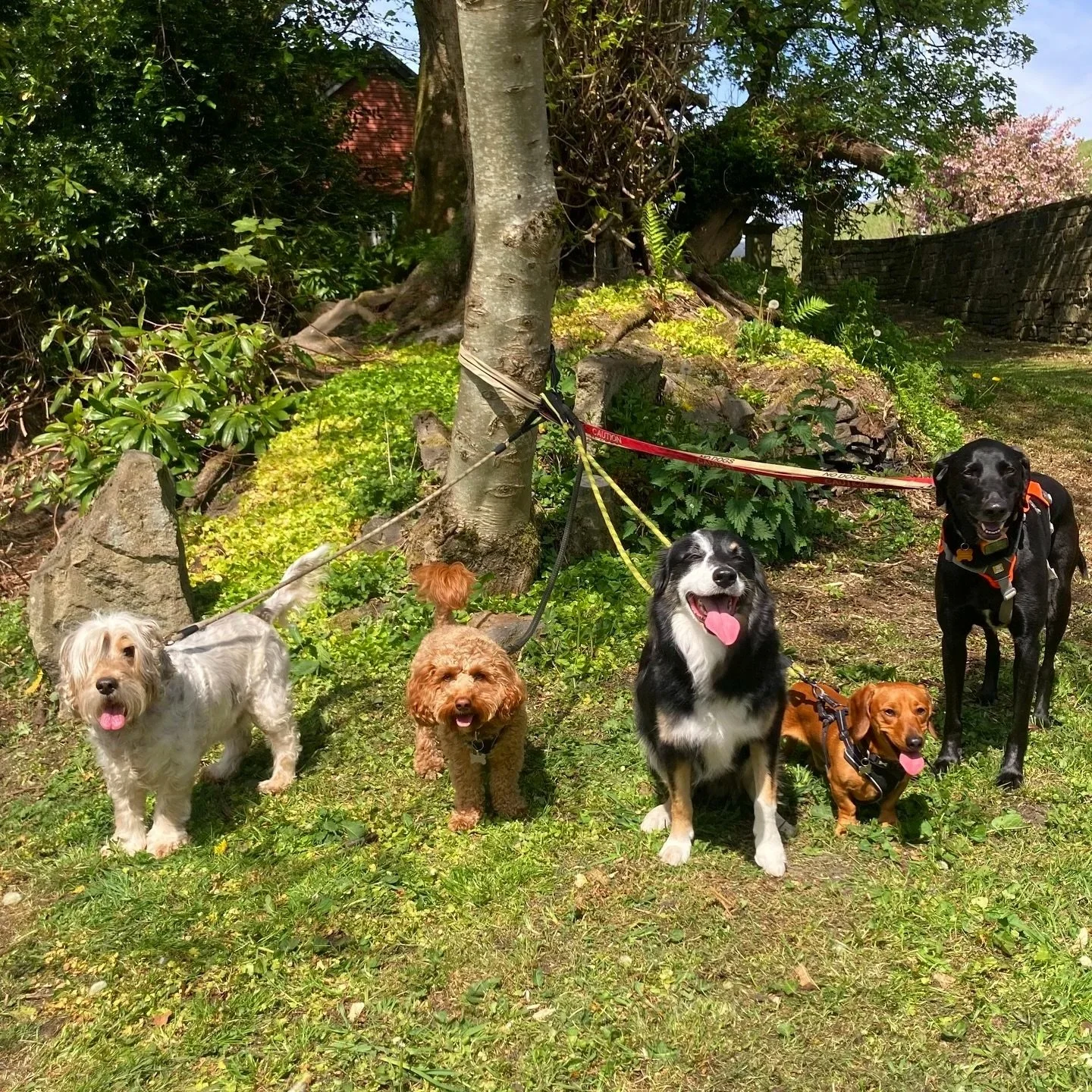
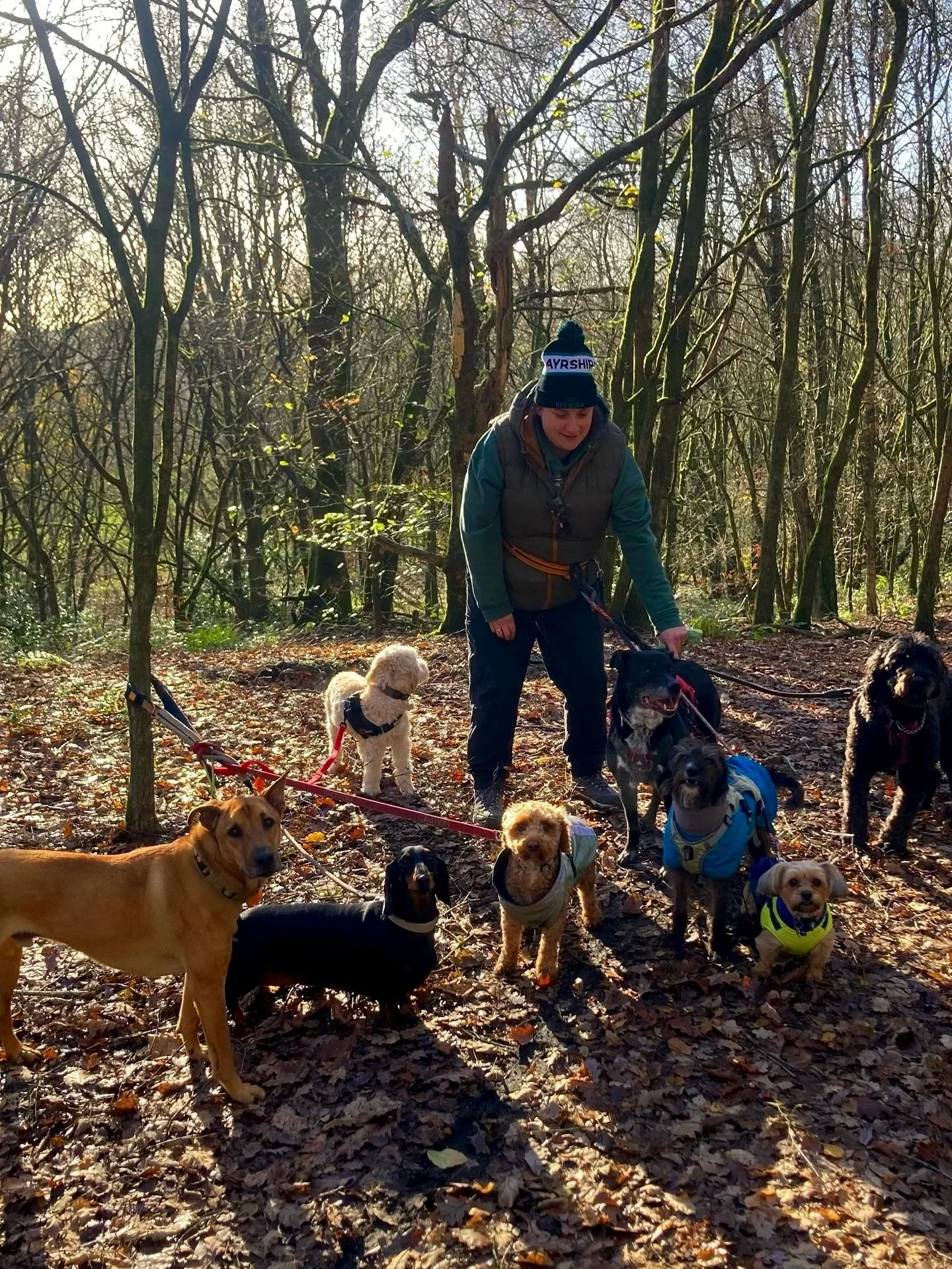
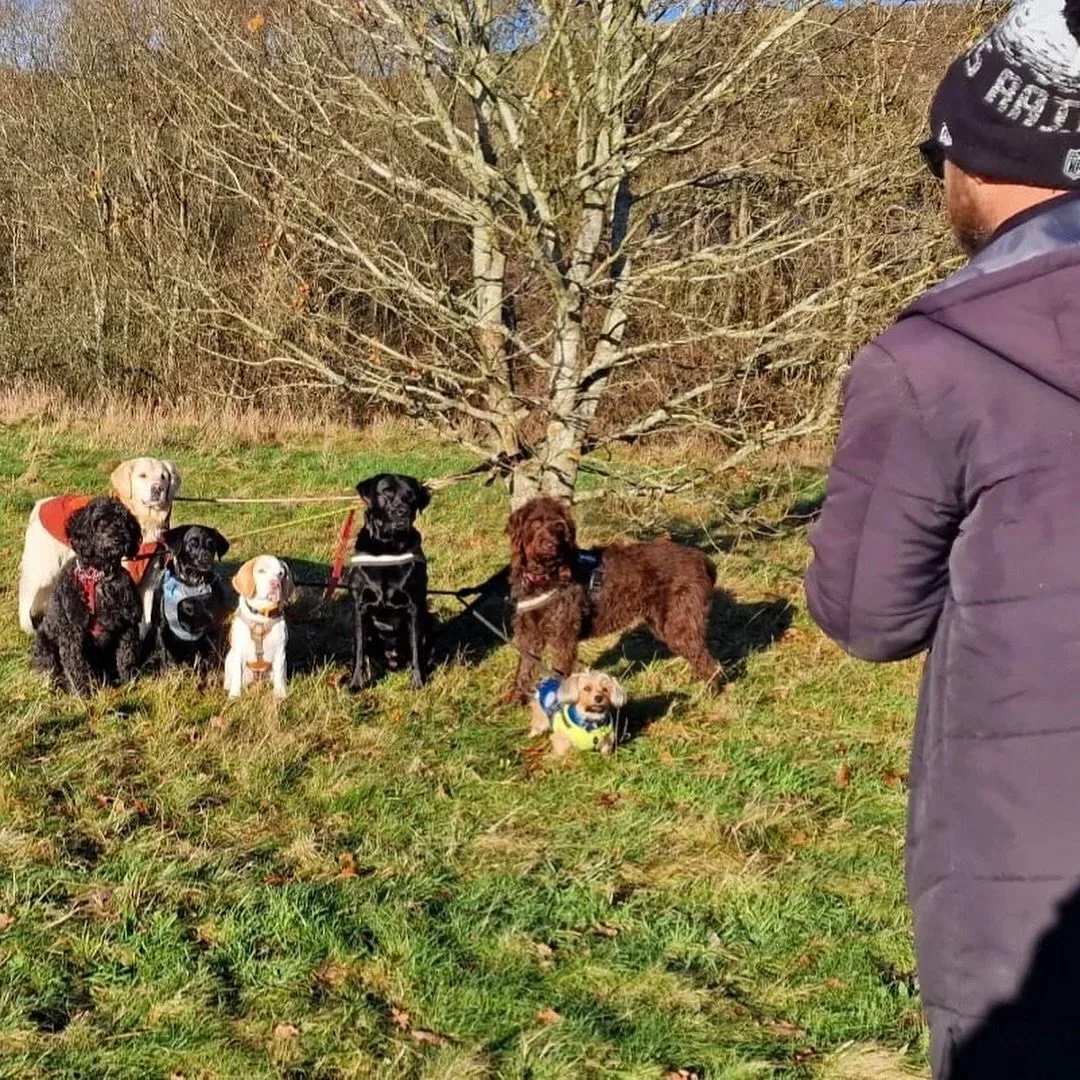
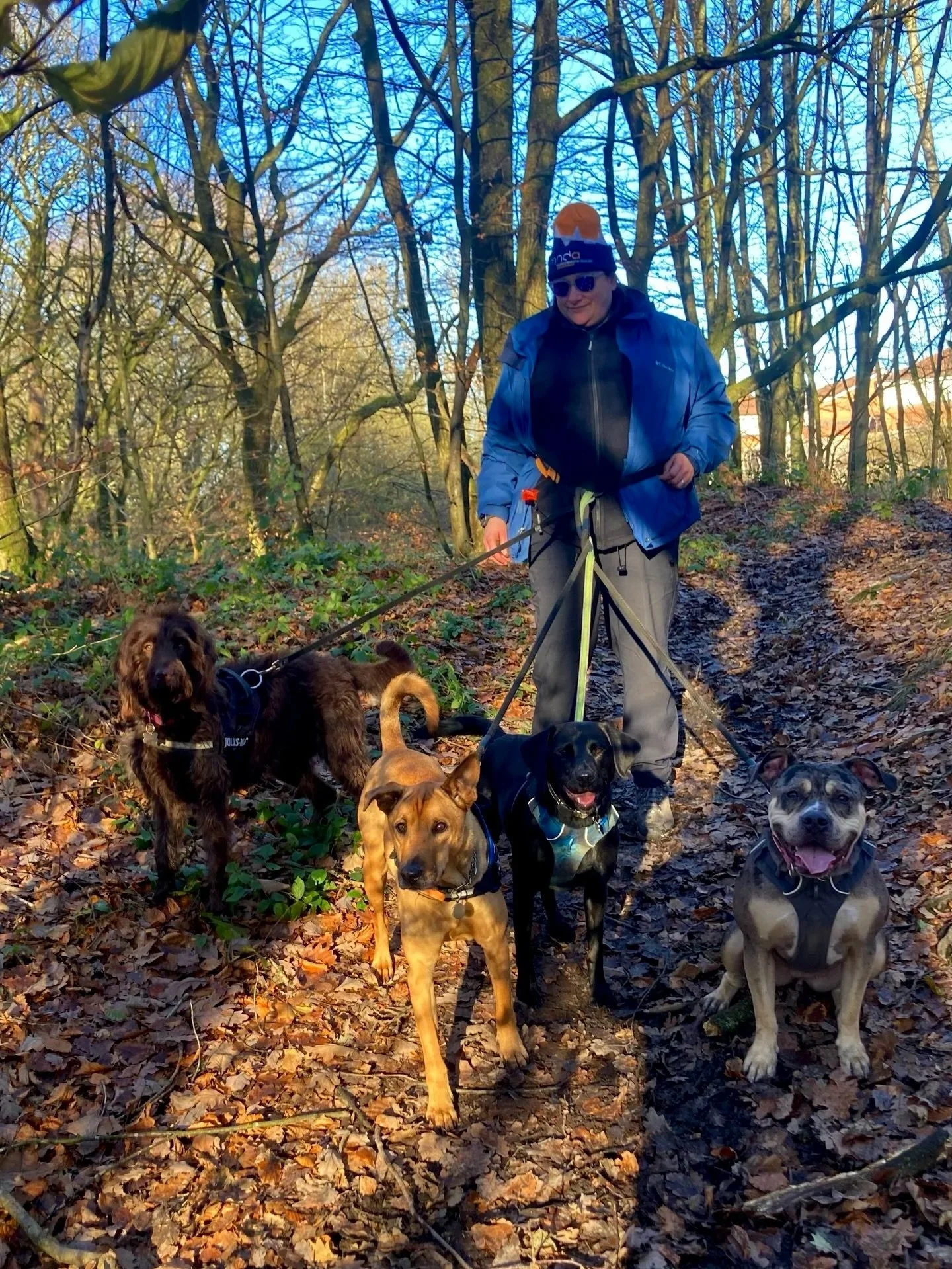
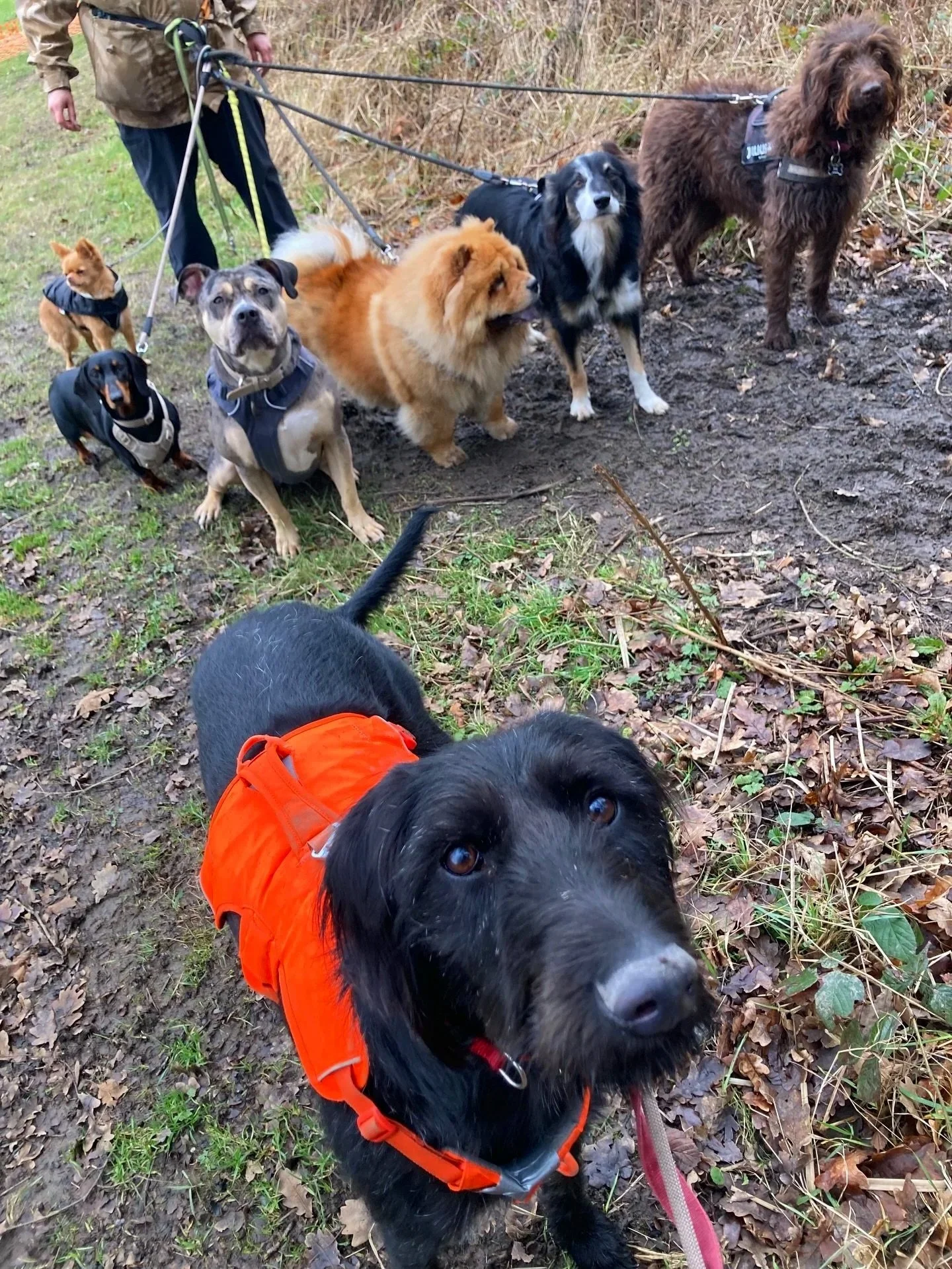
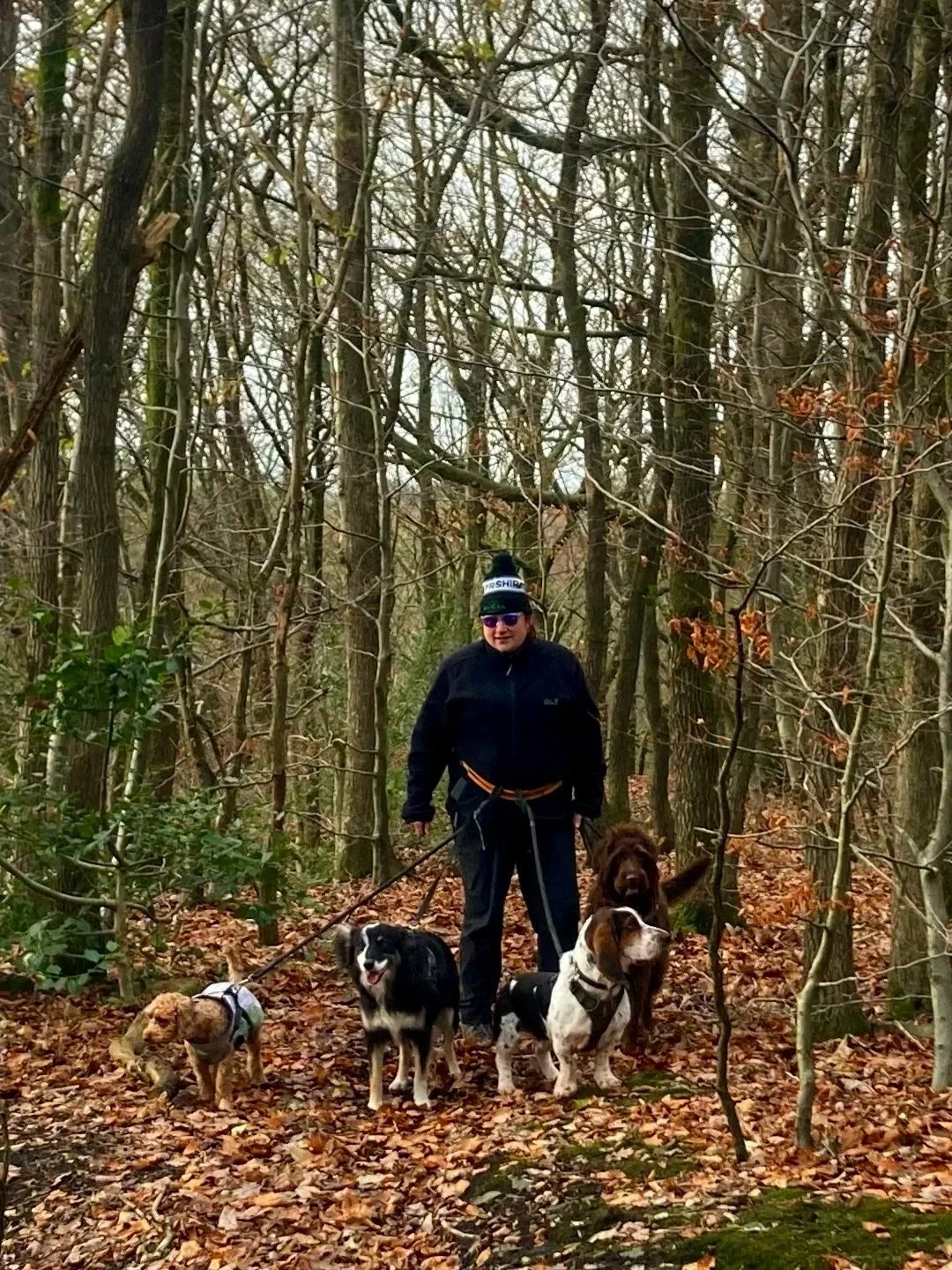
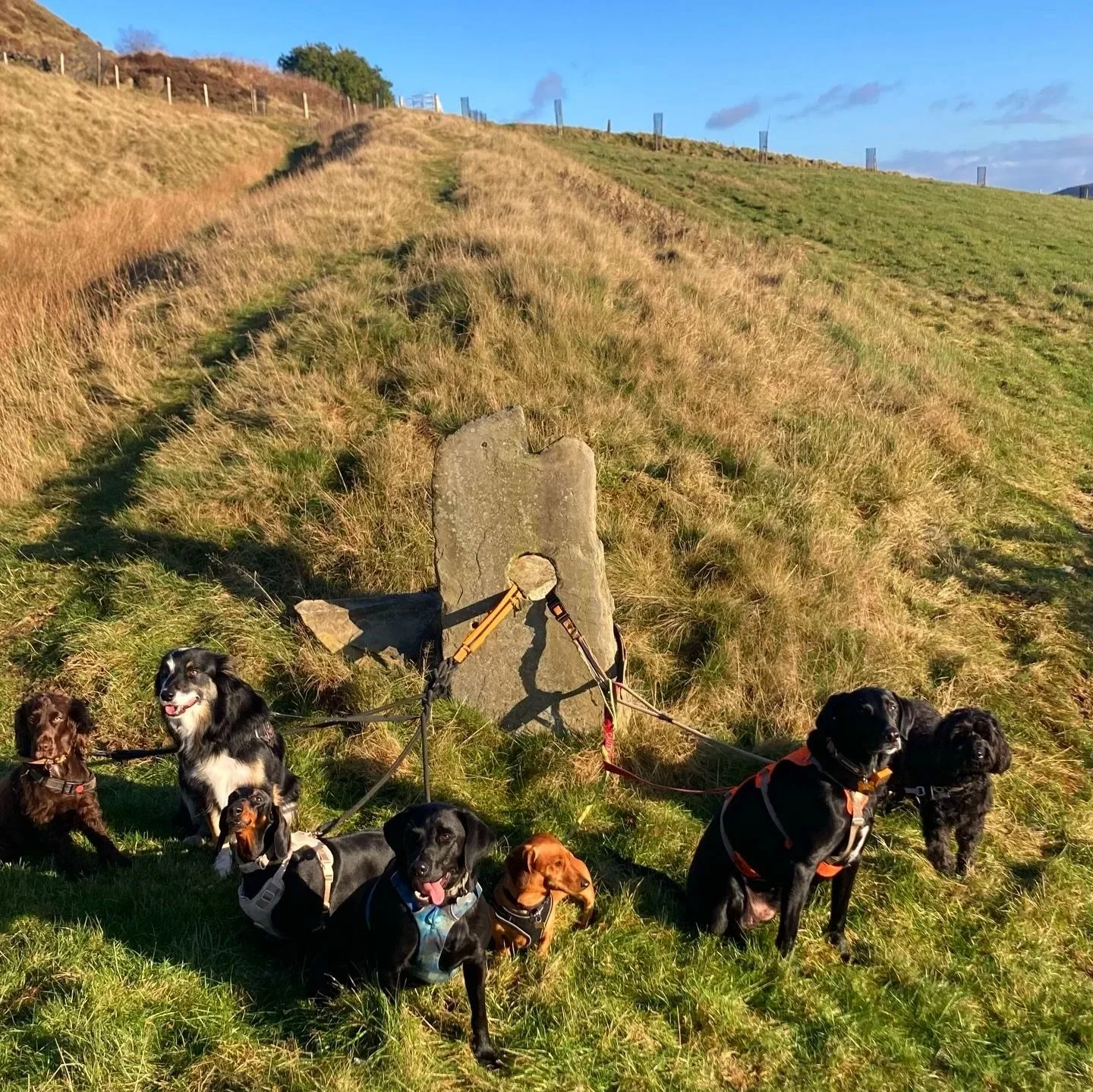
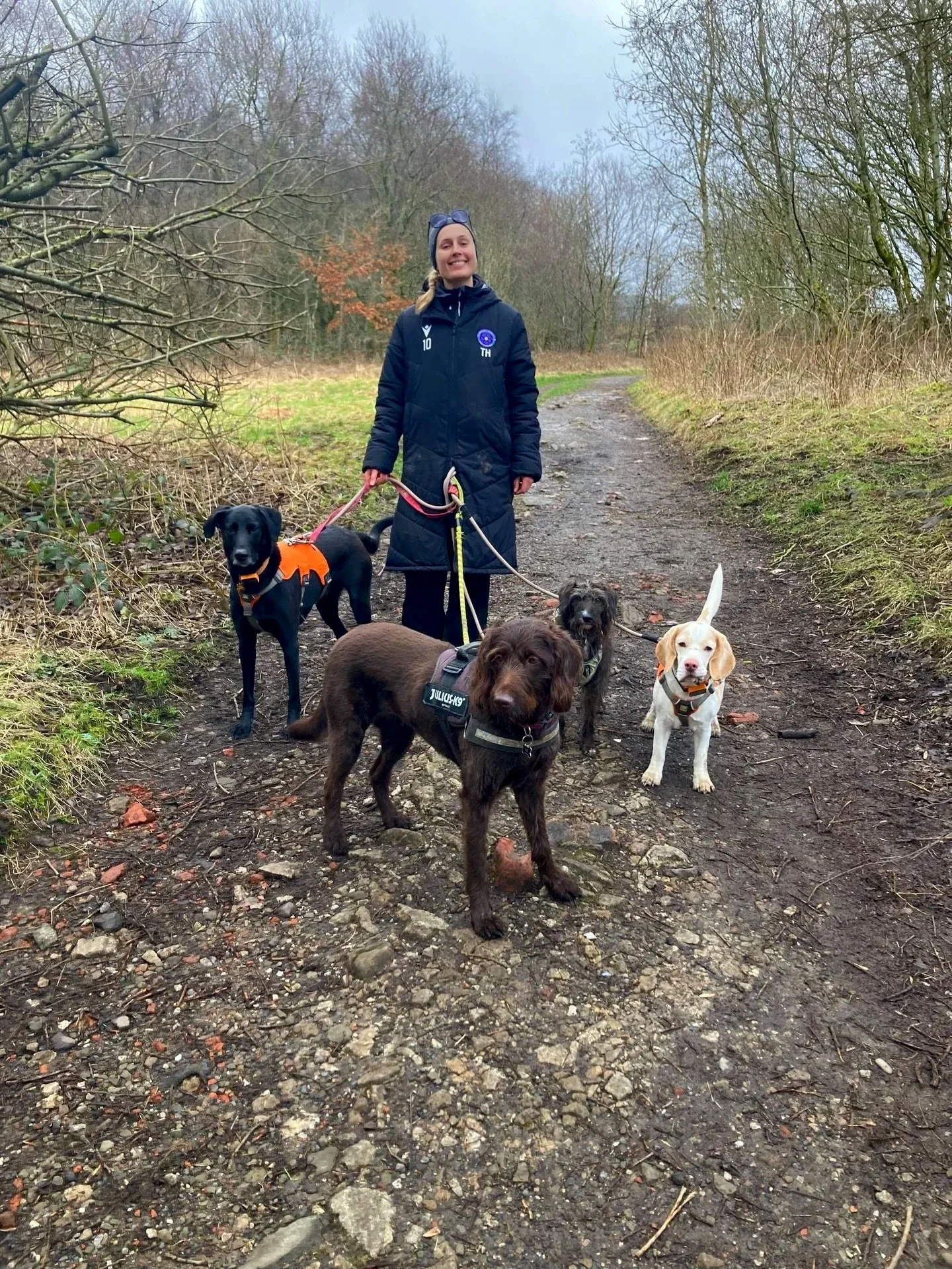
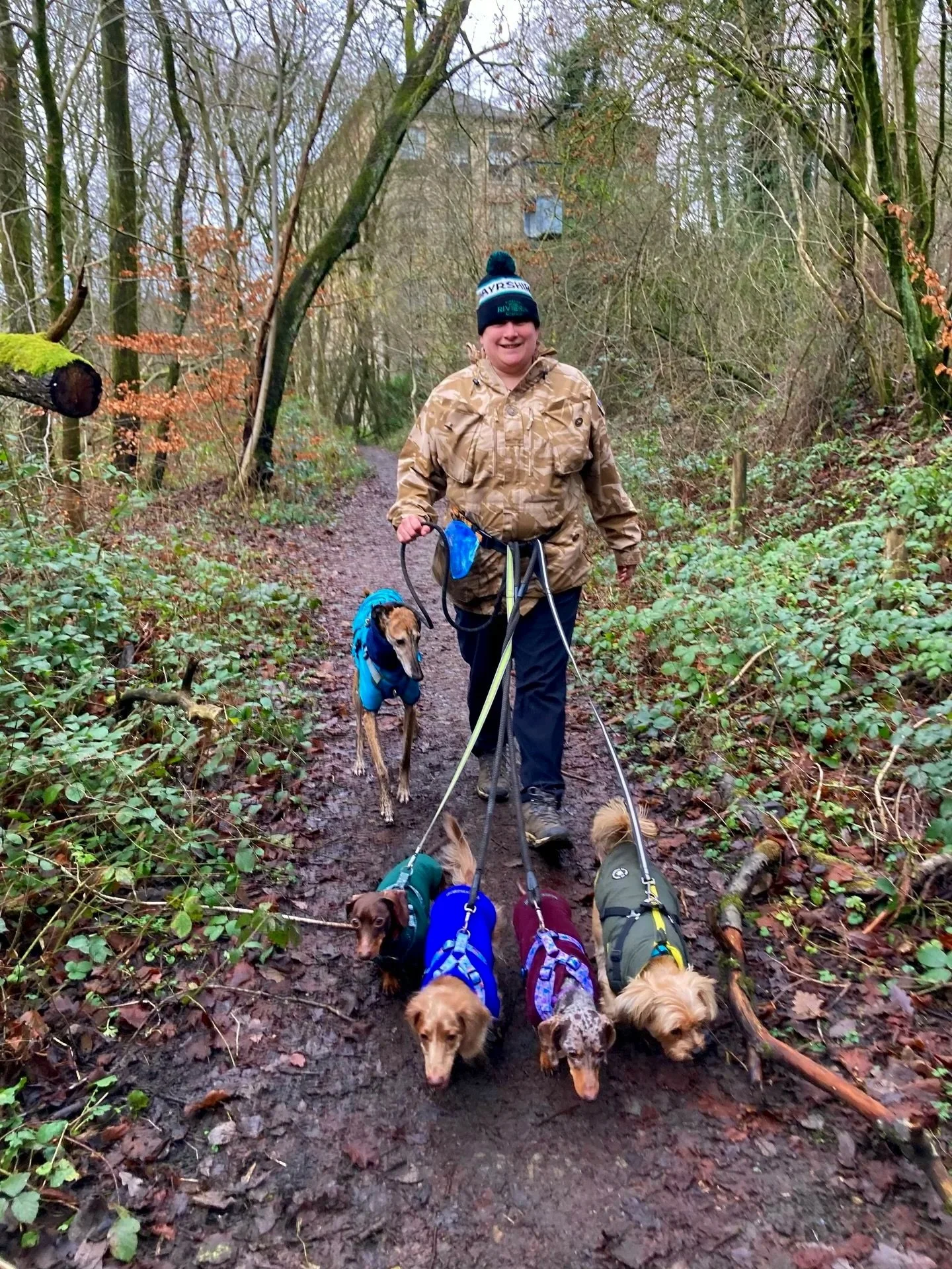
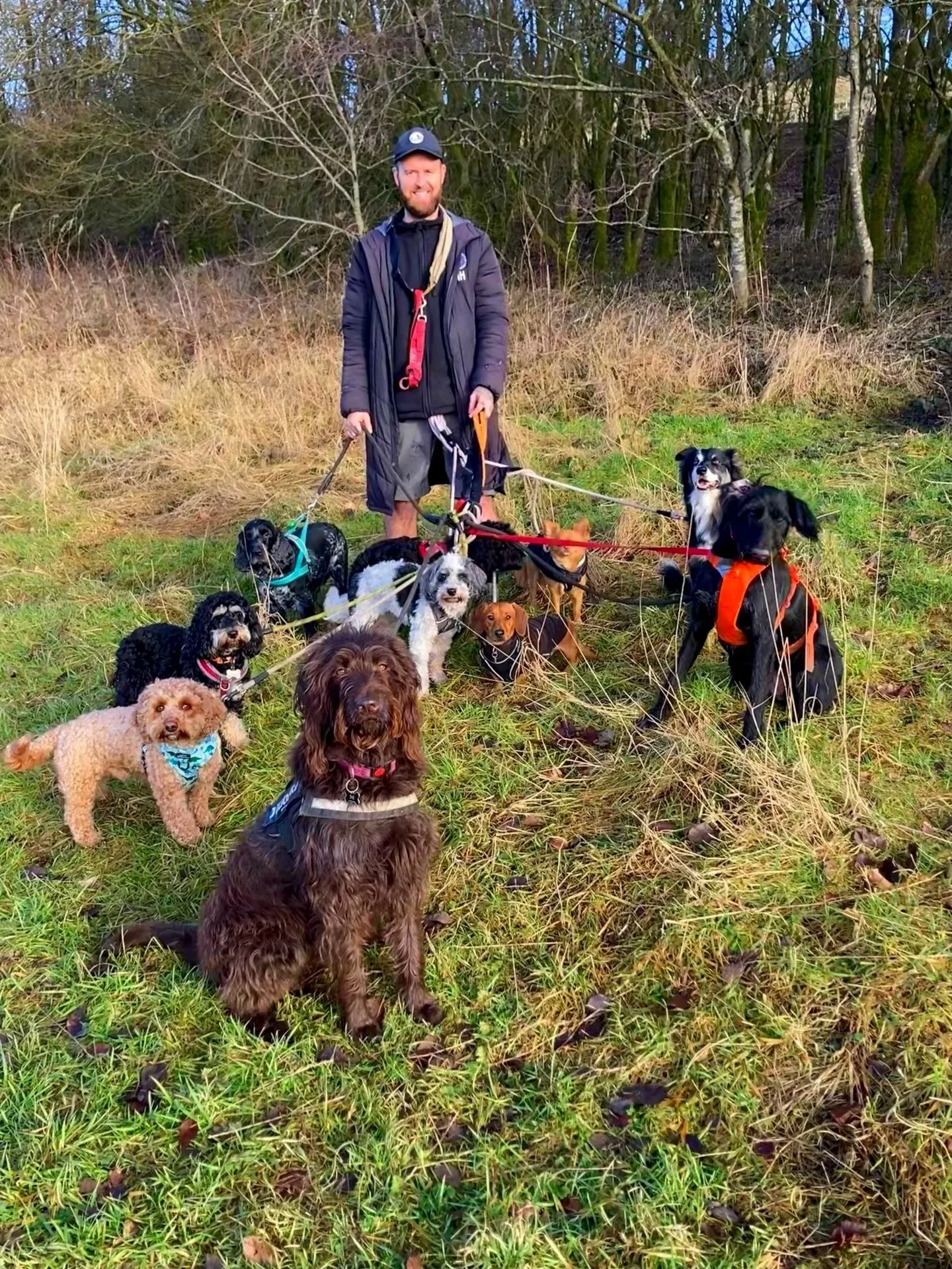
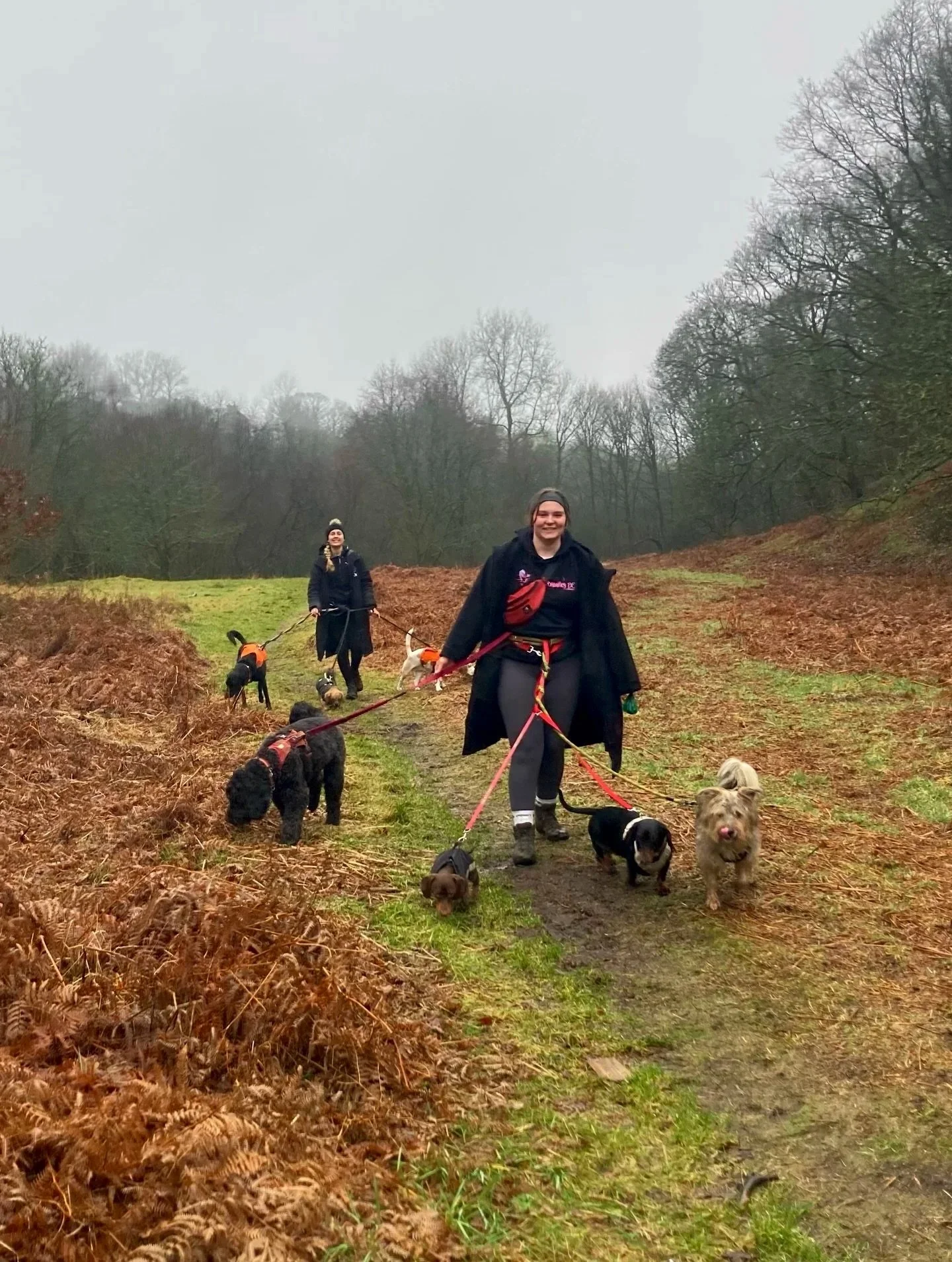
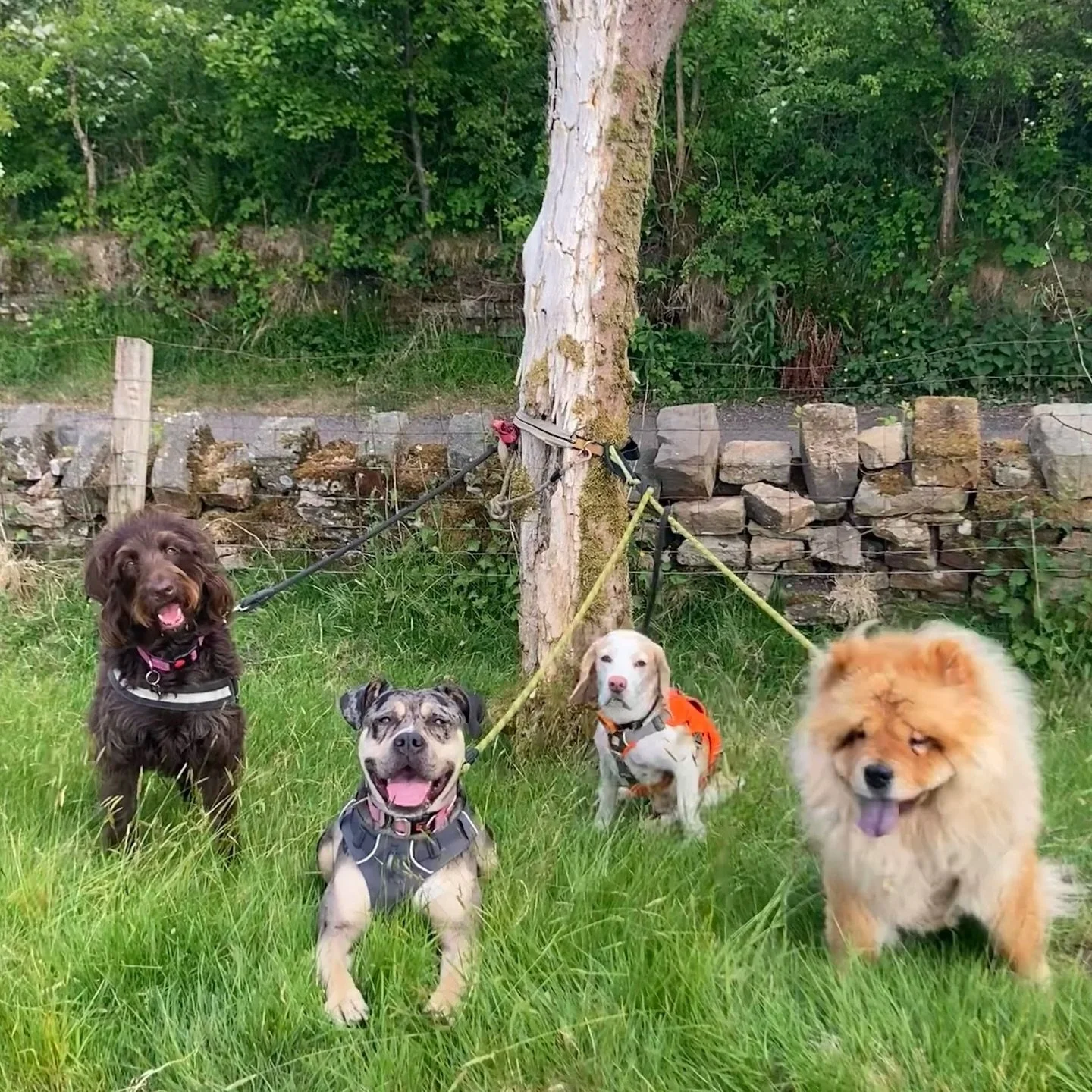
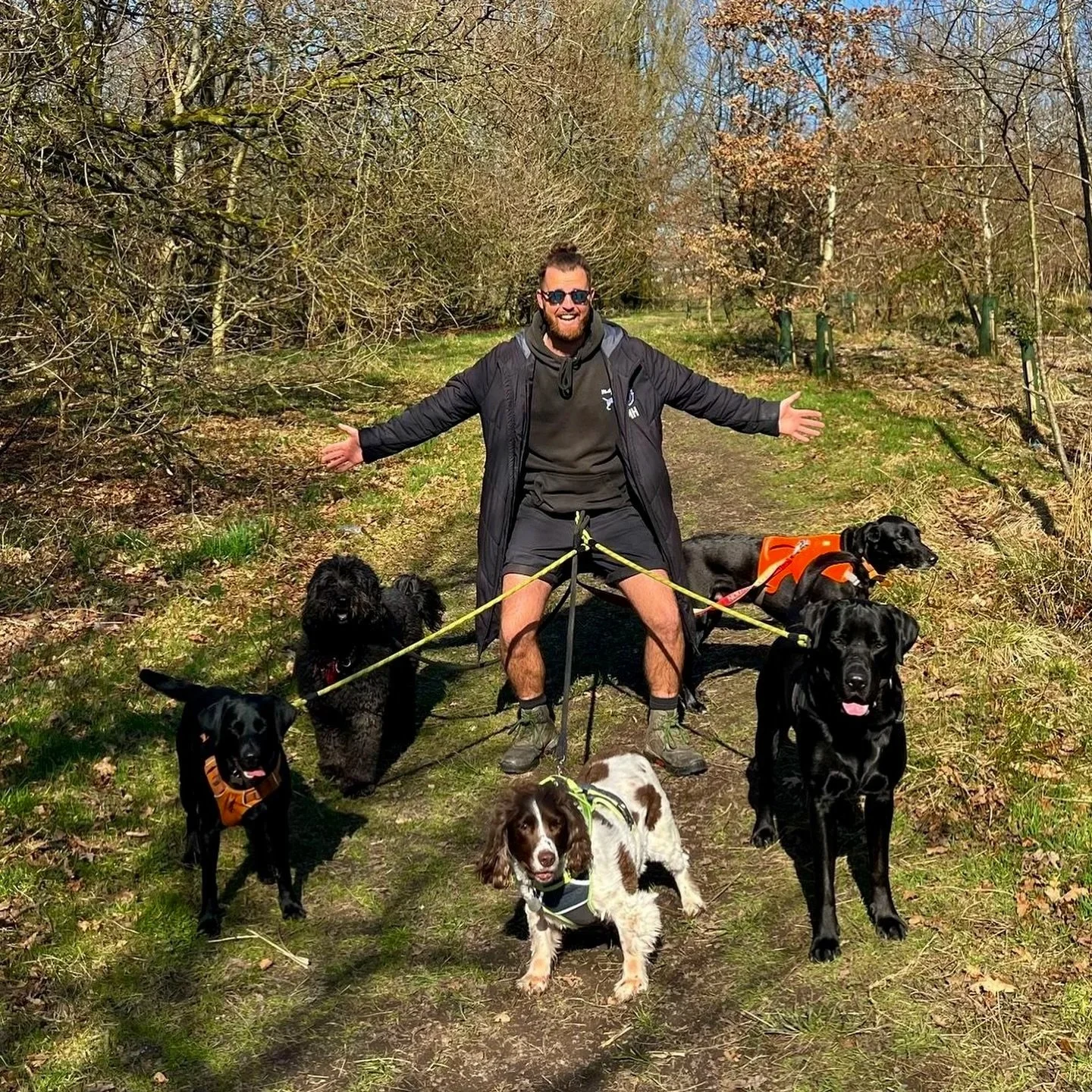
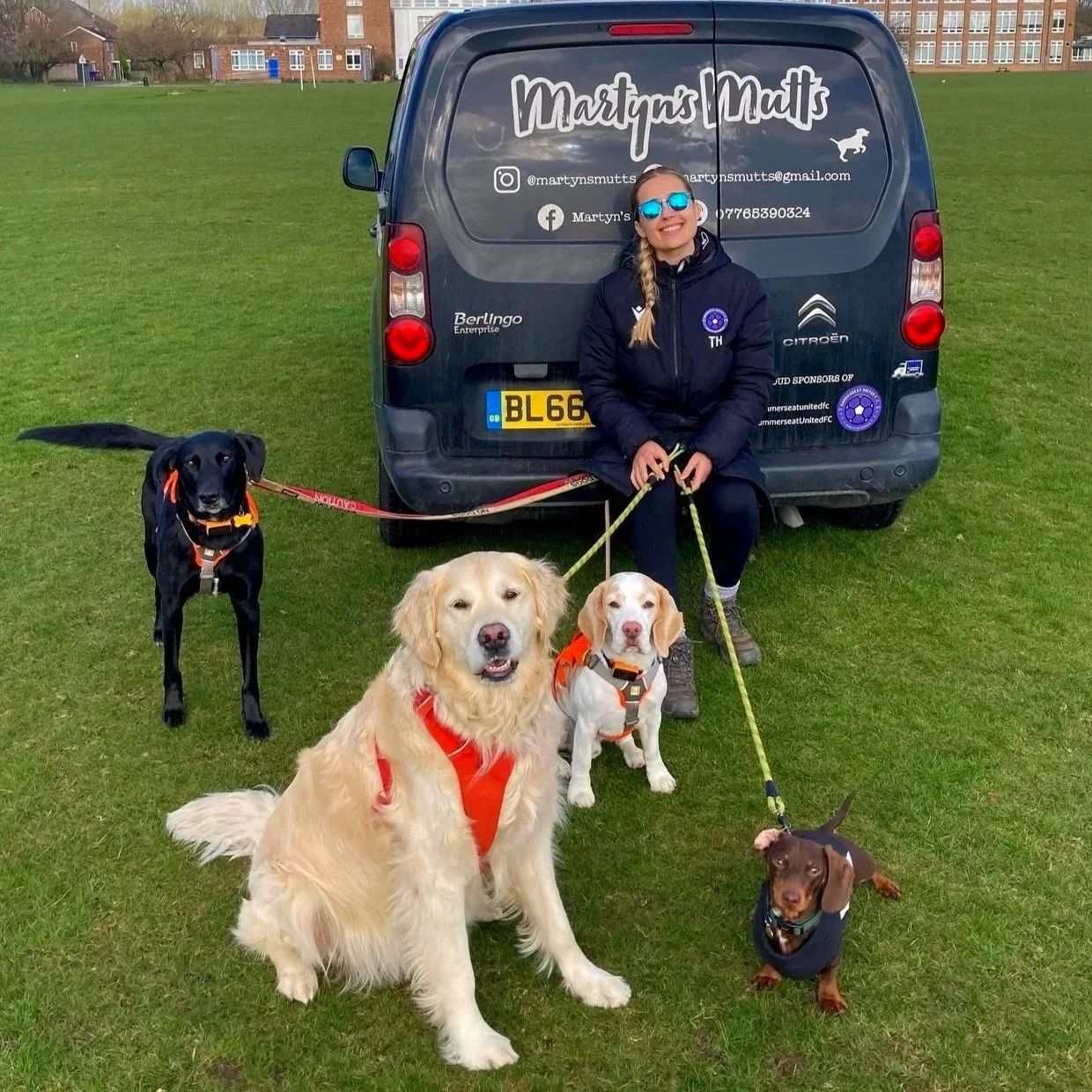
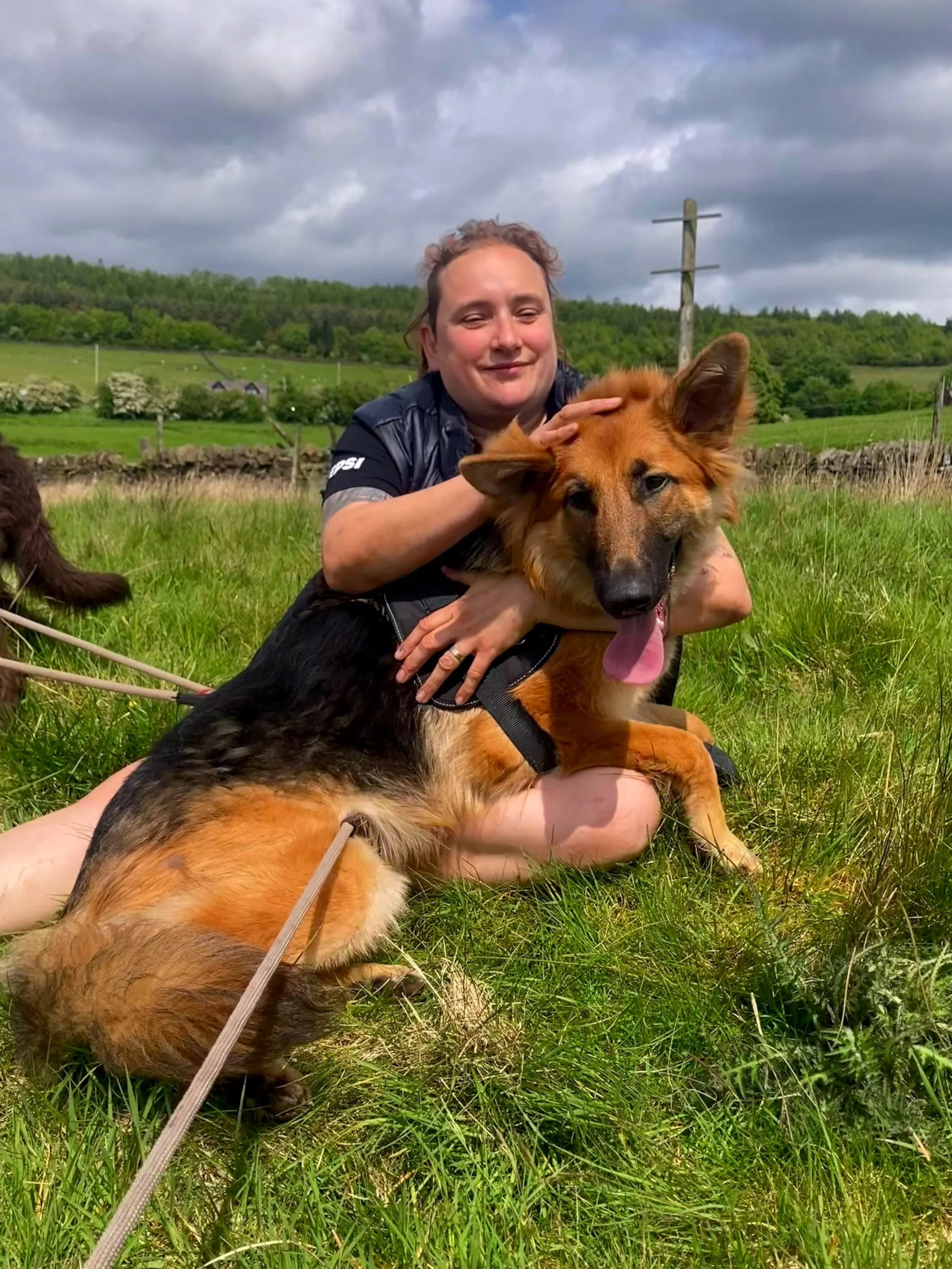
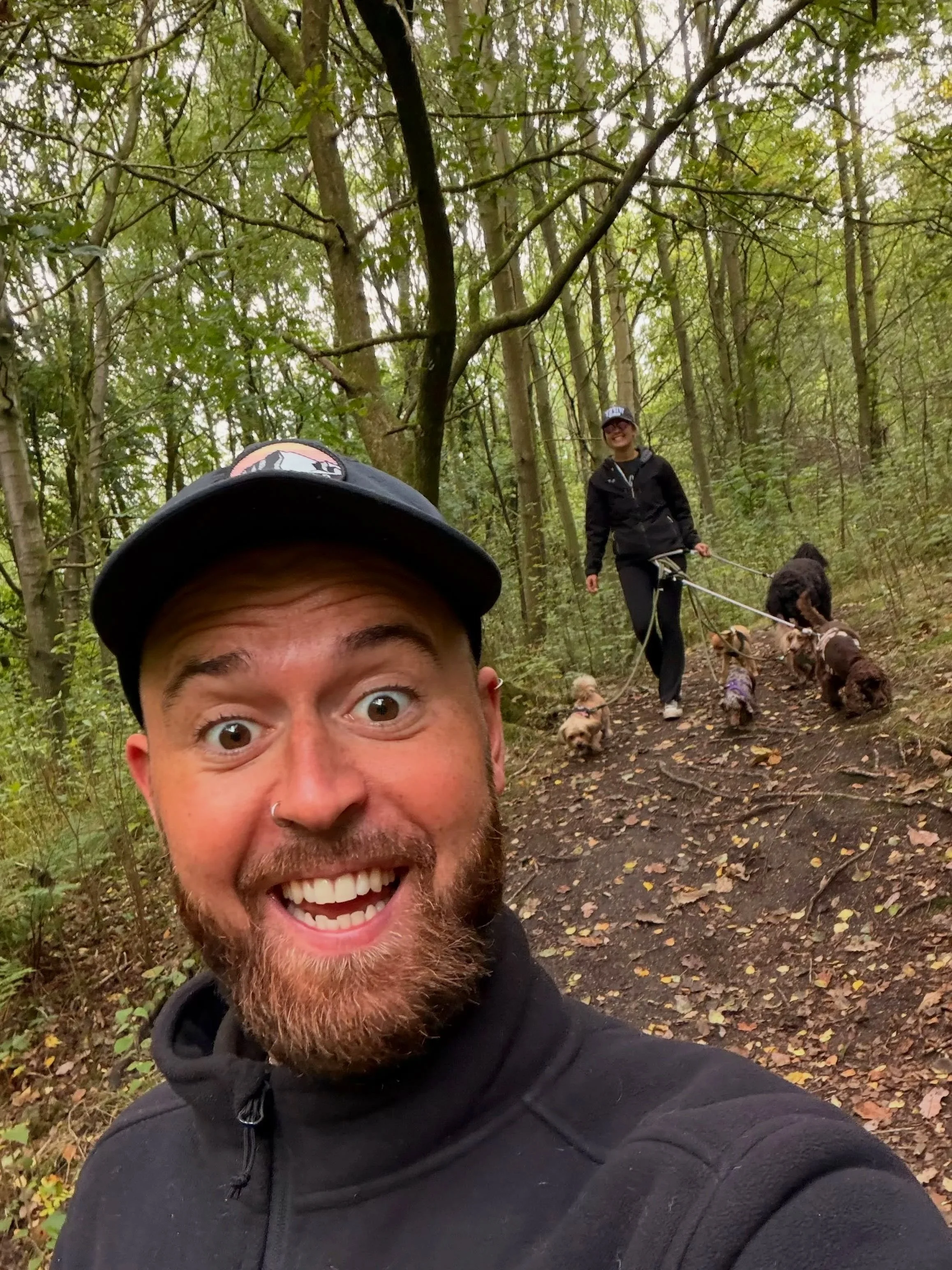
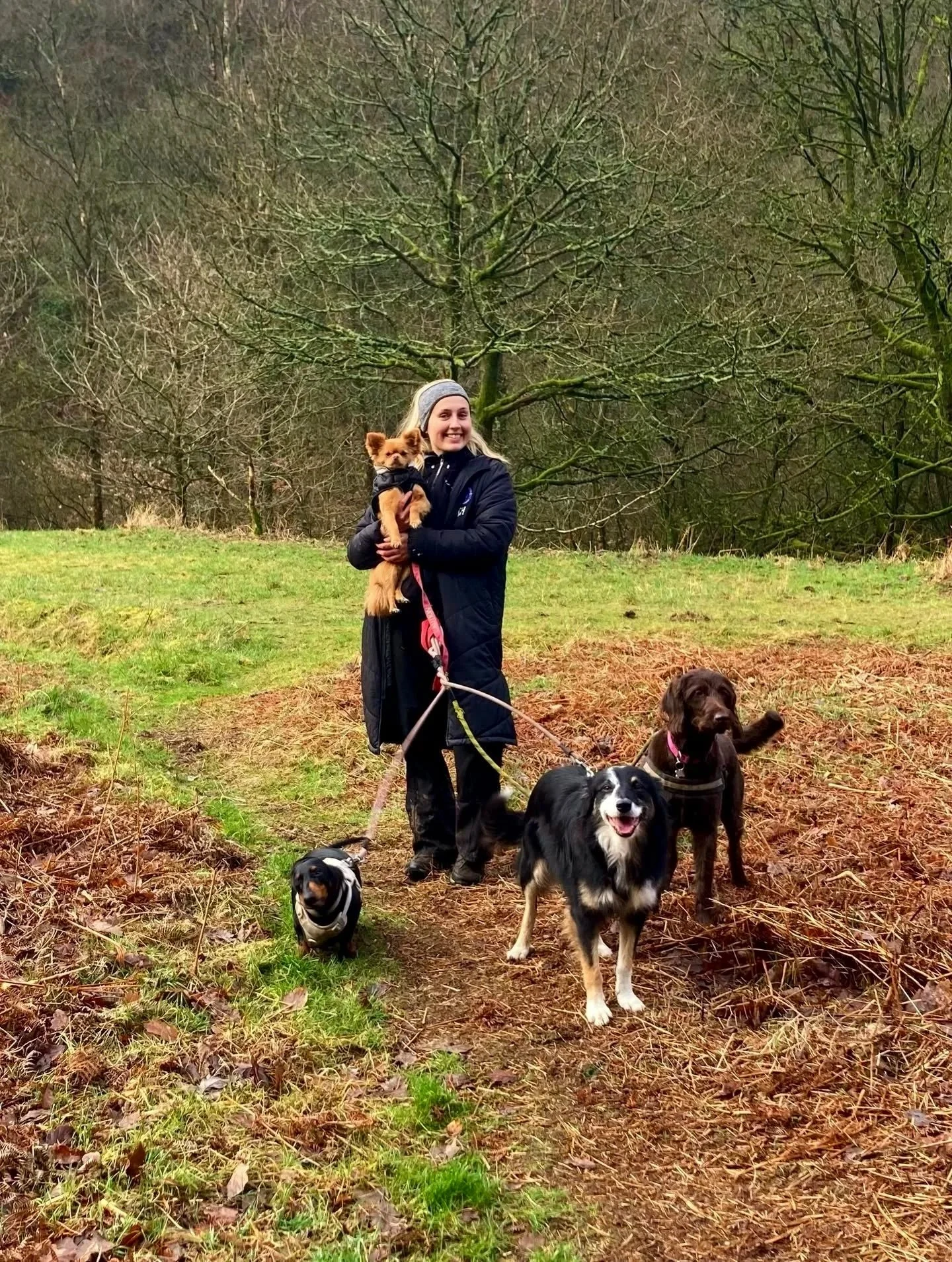
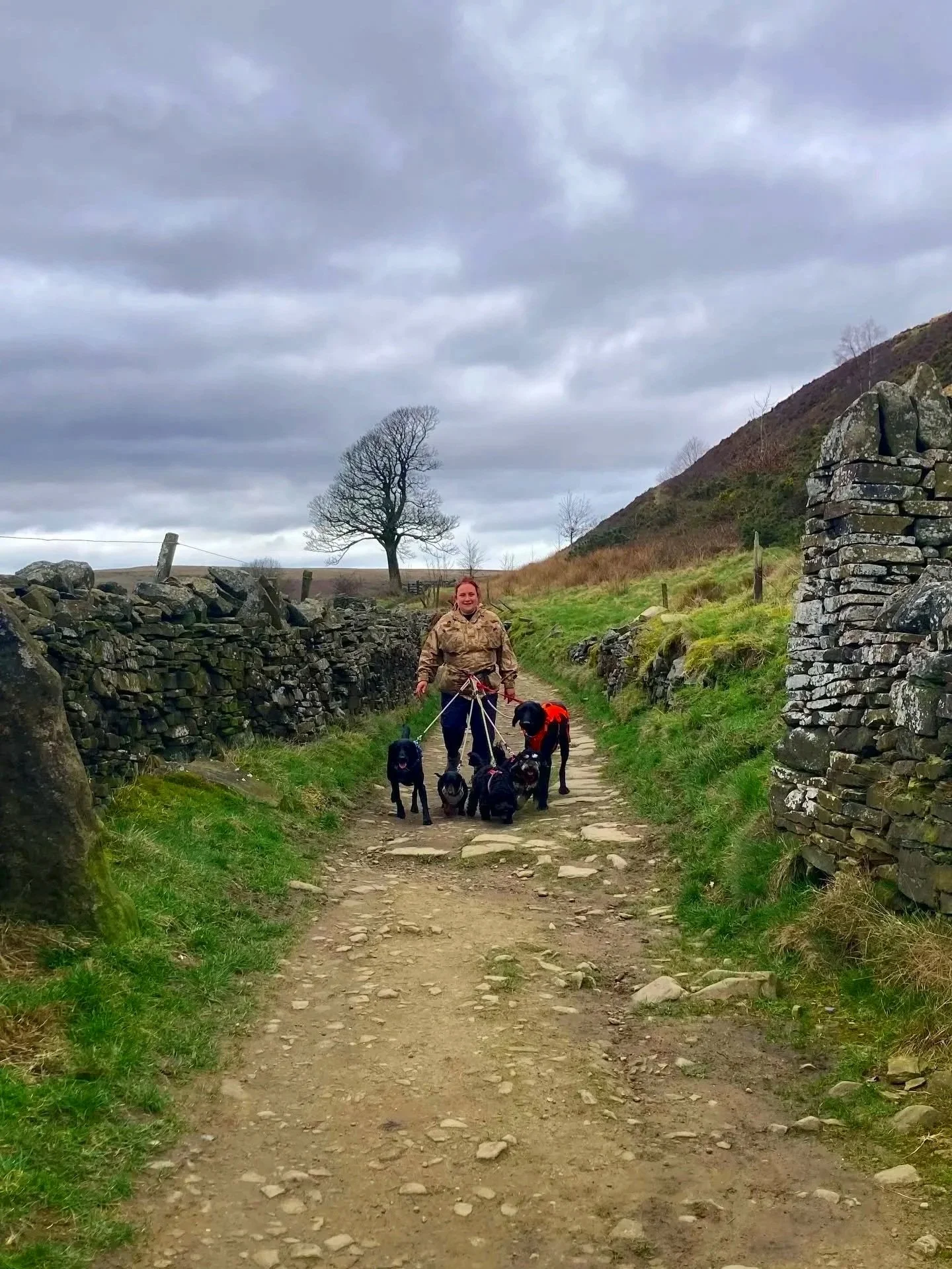
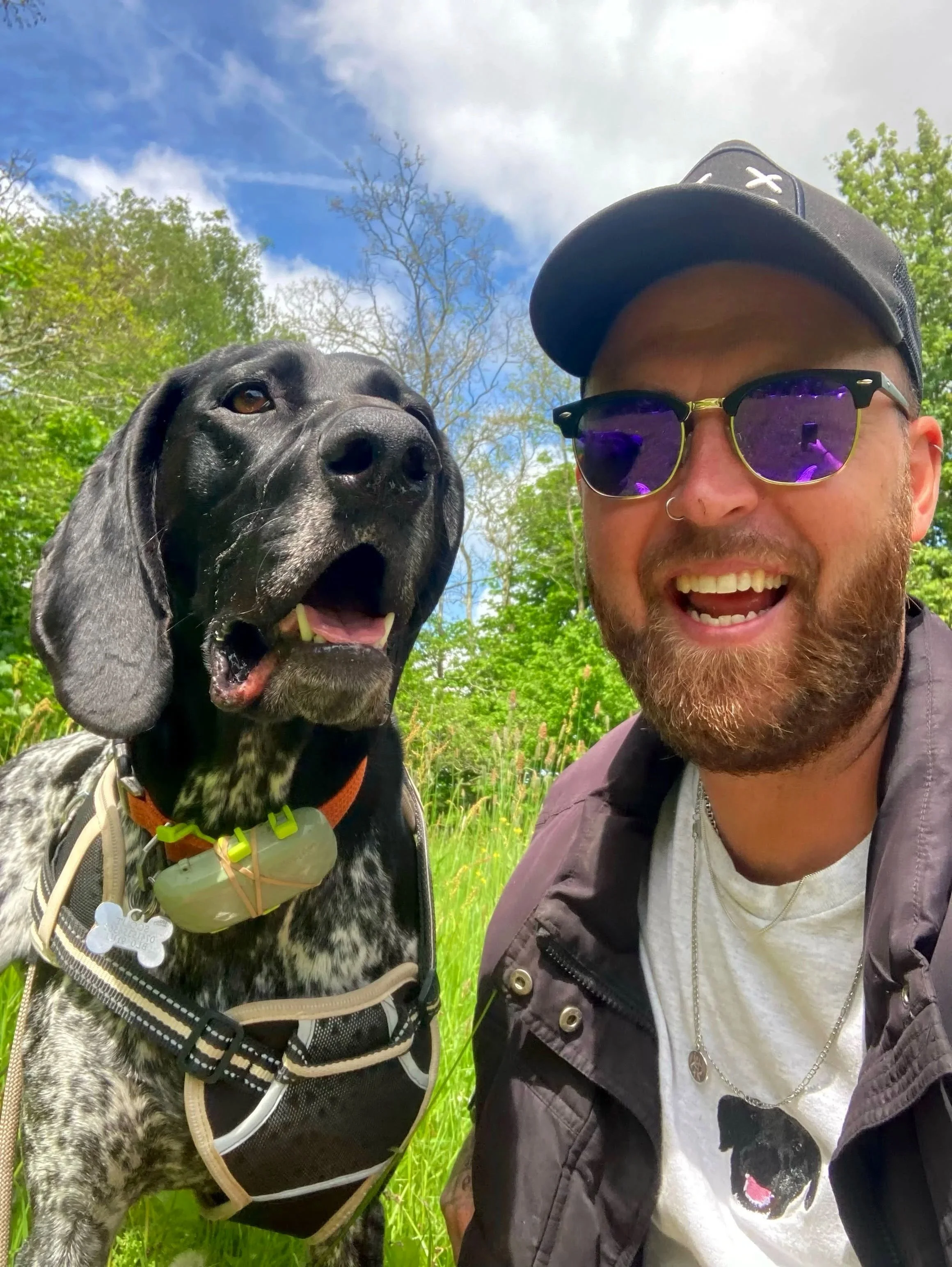
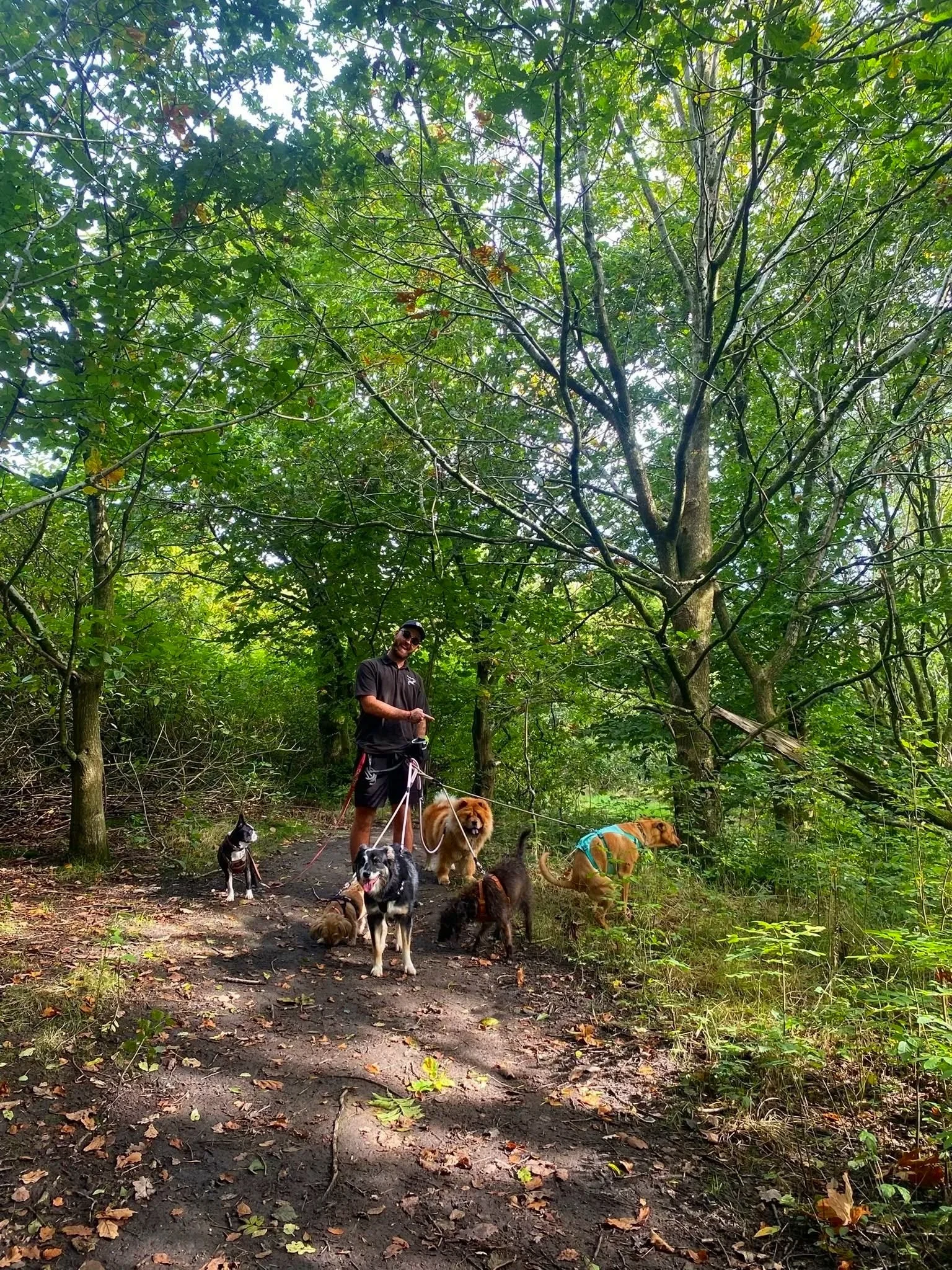
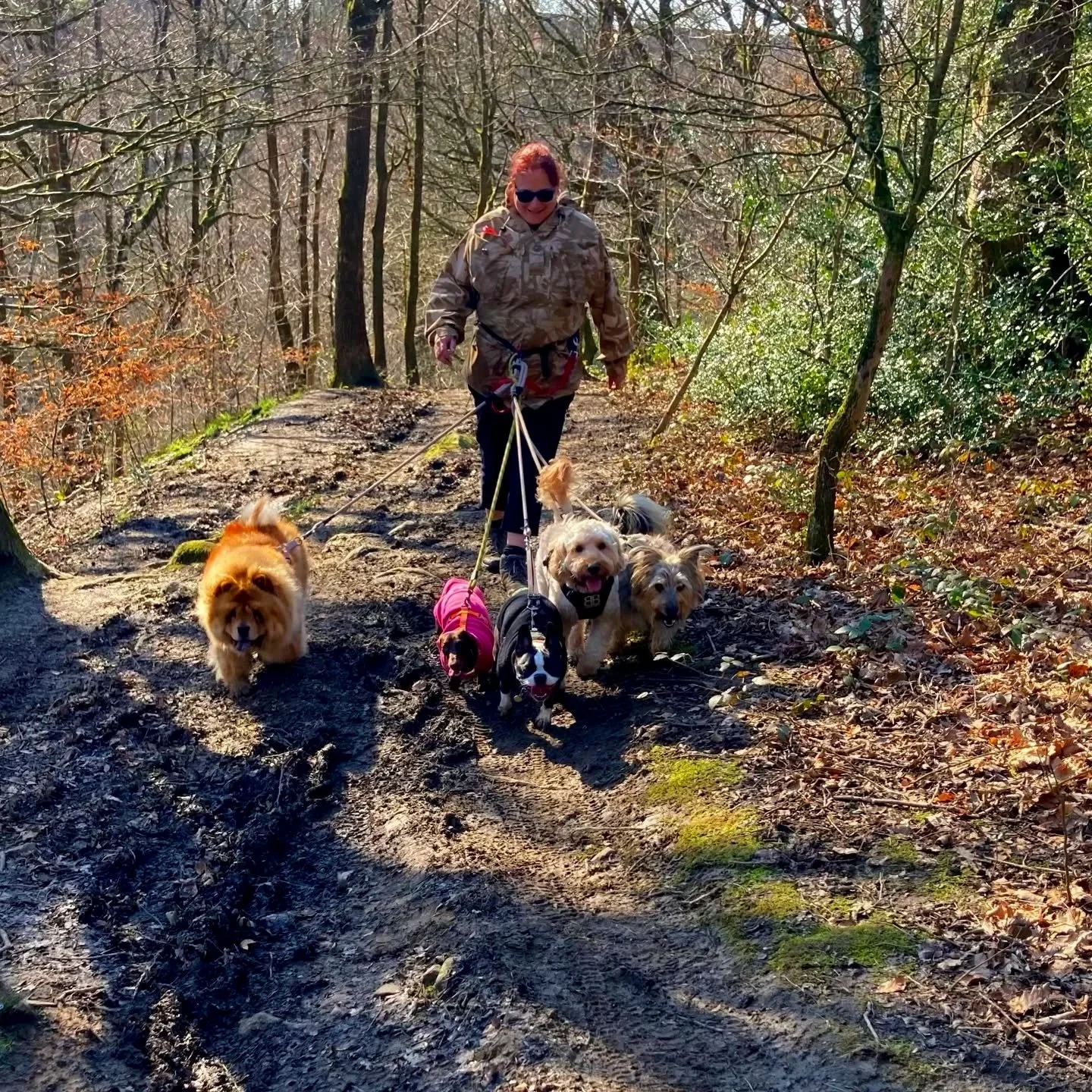
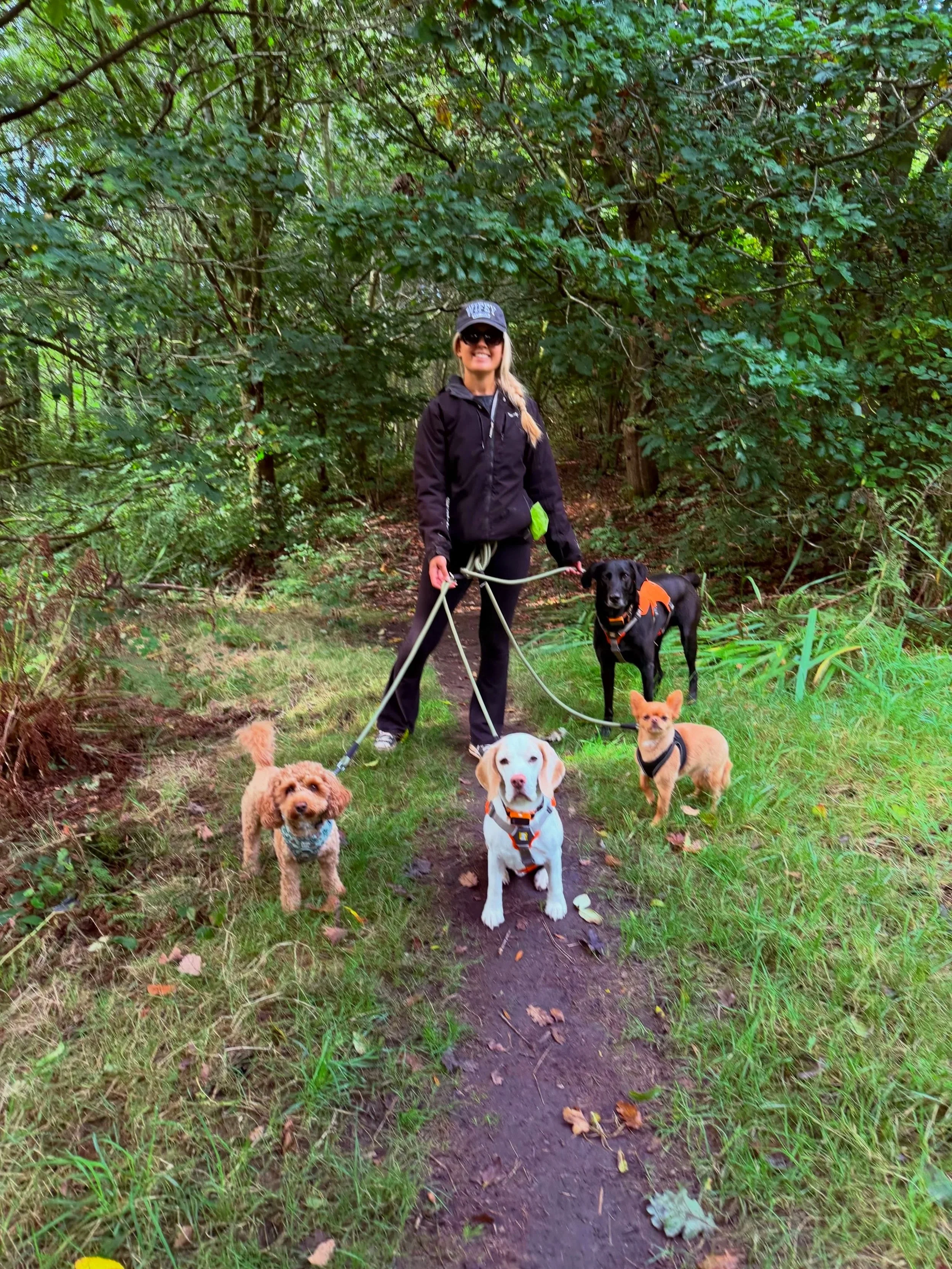
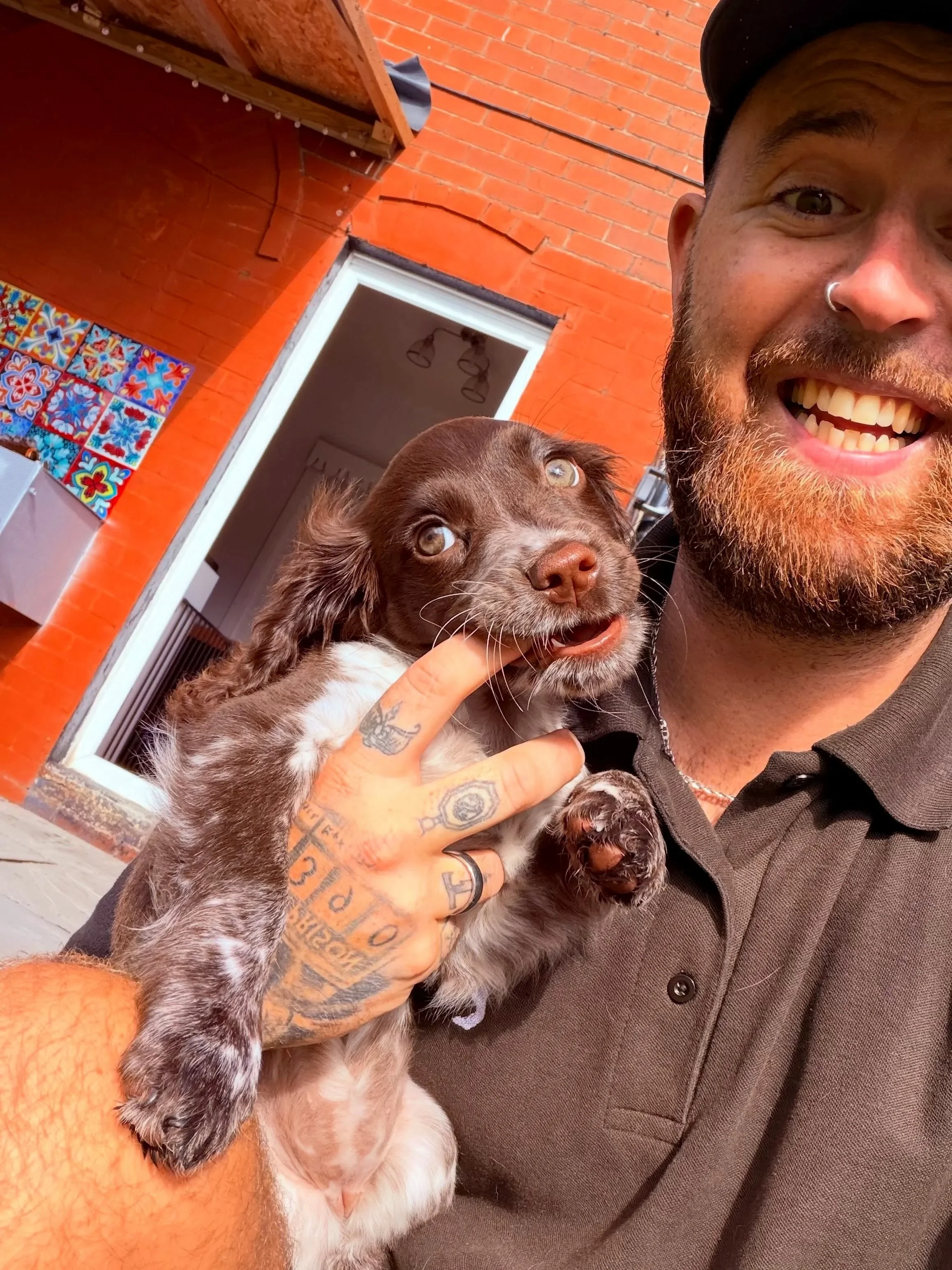
About Us
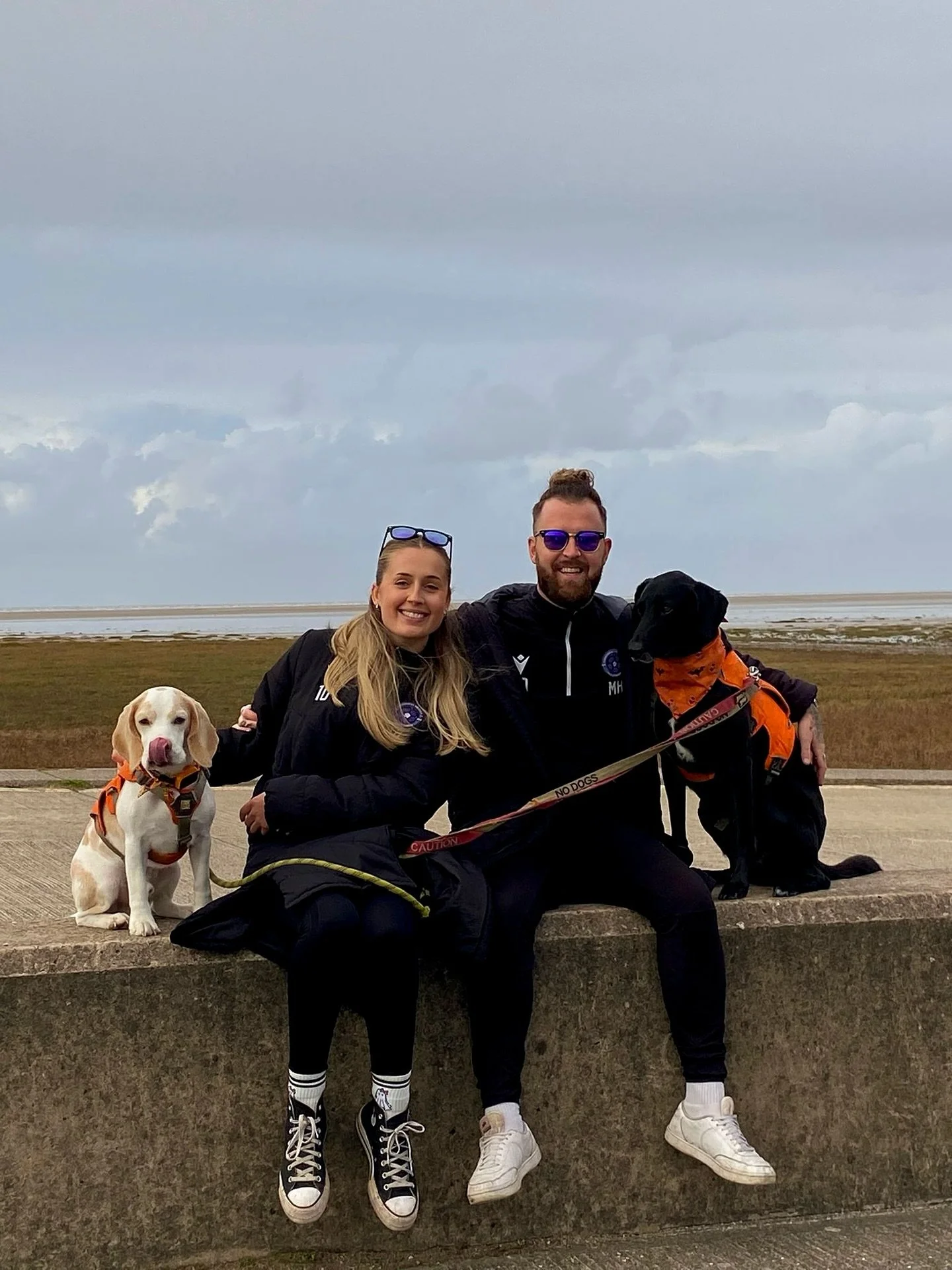
Martyn’s Mutts began in November 2021, when Martyn and his rescue dog Freddie took a leap of faith and turned years of hands-on experience with dogs into something bigger.
Freddie is at the heart of what we do. He’s helped shape our welfare-first approach and shown us what progress looks like when dogs are given time, understanding and the right support.
As the Pack has grown, so has the Mutts Family. Tarsha, Mrs Mutts, keeps everything running behind the scenes. Then there’s Bernie, who has become a big part of the day to day, supporting training and bringing plenty of humour to the Pack along the way.
Today, Martyn’s Mutts supports dogs and their people through group walks, training, behavioural consultations, in-home sitting, wedding chaperone and charity partnerships, all built around calm handling, kind methods and doing right by the dog in front of us.
If you’re looking for supportive, practical help and a team who genuinely cares, we’d love to hear from you.
Much Love,
Martyn, Tarsha, Freddie & Bernie

Testimonials
-
![]()
Charlie
"Martyn is amazing with my dog, he’s been amazing in getting him to walk well on the lead and the excitement Charlie has when he sees Martyn says it all. Couldn’t recommend anyone better!"
-
![]()
Nola
"I’ve had lots of different experiences with dog walkers and when we found Martyn and his pack we knew instantly that Nola would be treated as we would treat her, having lots of fun with friends and most importantly, safe on her walks. Thanks Martyn!!"
-
![]()
Norman
"Martyn really knows his Mutts! Martyn has helped us cut through the noise of the internet so we can develop strategies to support our new member of the family. Martyn has been sensitive, empathetic and kind when sharing his wisdom on how to support Norman through his adoption, his reactivity and nervousness. I highly recommend Martyn for anyone seeking help with their dog's behaviour."
-
![A small, happy dog wearing a blue harness runs towards the camera on a grassy field under a blue sky.]()
Pep
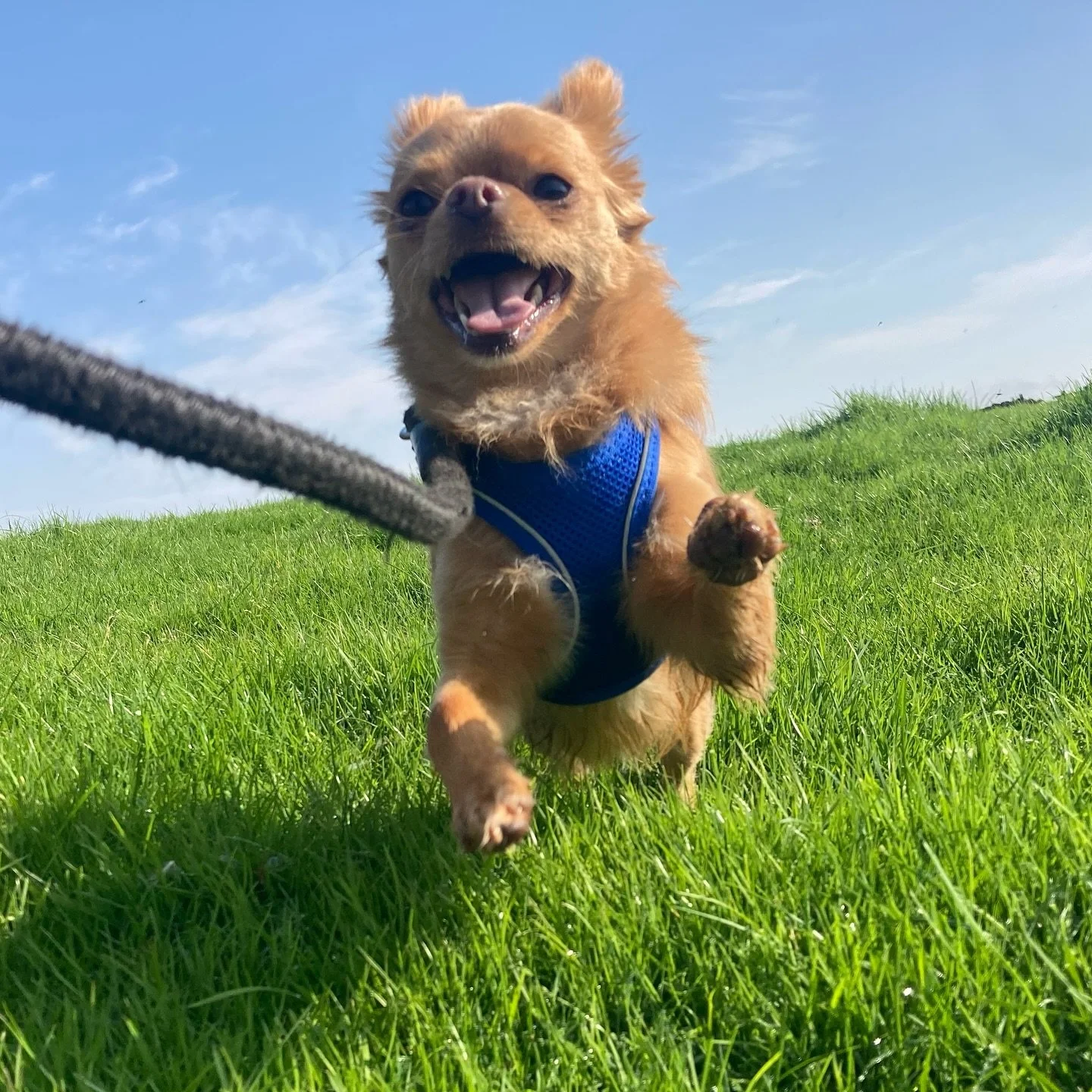
"100% recommend Martyn and his best friend Freddie. He has been walking my little dog for a couple of years now and he loves him - Think he loves my little dog as well! Martyn has a genuine passion for dogs and I wouldn’t trust my little best friend with anyone else."
-
![Close-up of a brown dog with tan eyes, smiling, on green grass with small yellow flowers.]()
Betsy
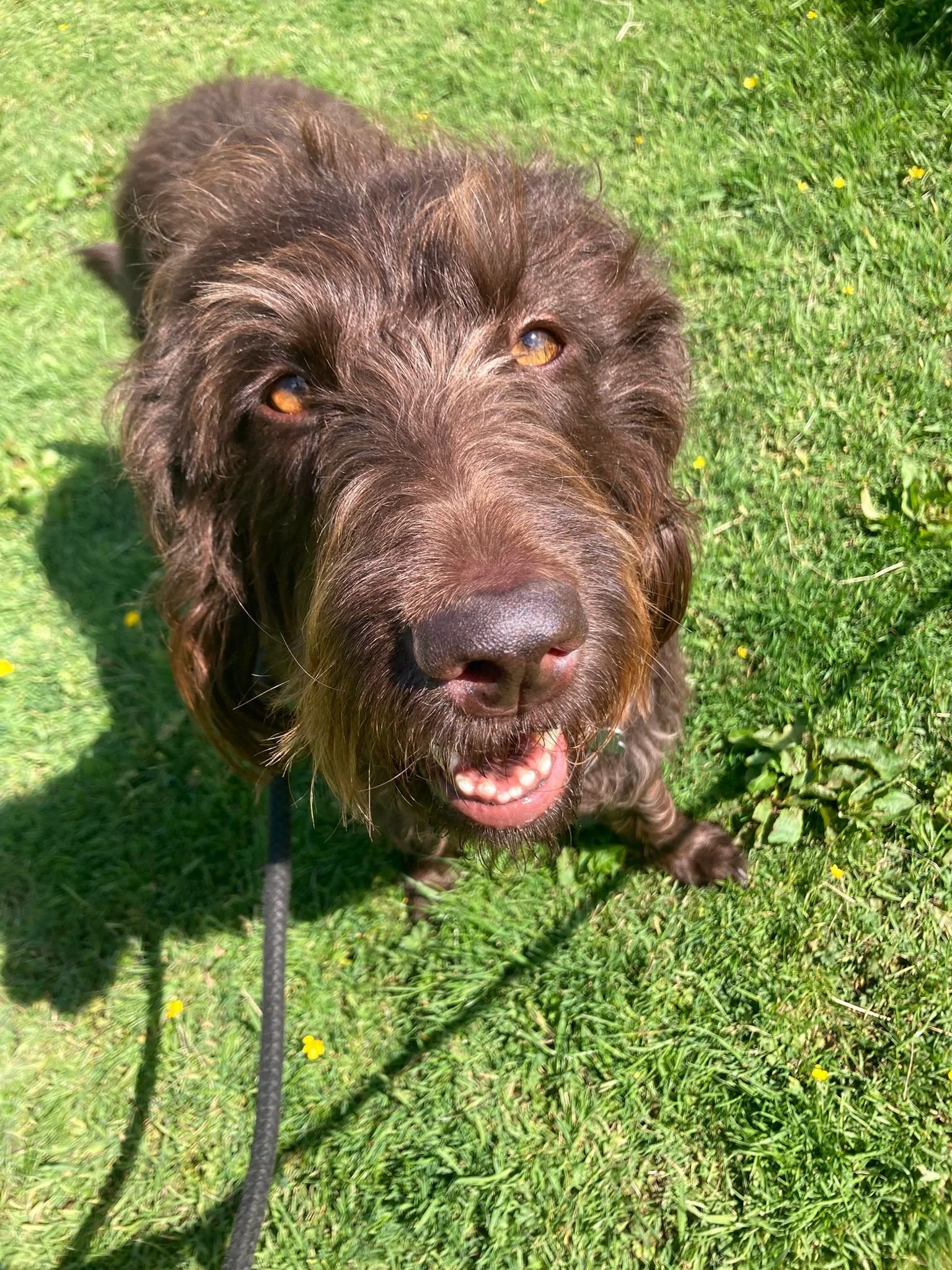
"Martyn has a genuine love and passion for dogs which shines through with everything he does. He is 100% reliable and trustworthy and i wholeheartedly recommend him if you need someone to love and take care of your furry family member. Betsy gets excited for her daily walks and the fact she gets to walk with other dogs is great for her social behaviour with other dogs. Thanks Martyn so much. We (and Betsy) would be lost without you!"
-
![]()
Woody
"Couldn’t recommend Martyn enough, he’s been walking our dog for just over a year now and woody loves him. Martyn even accompanied him to our wedding and had him over night so we’re at ease knowing he was in safe hands. Definitely recommend ☺️"
-
![]()
Willow
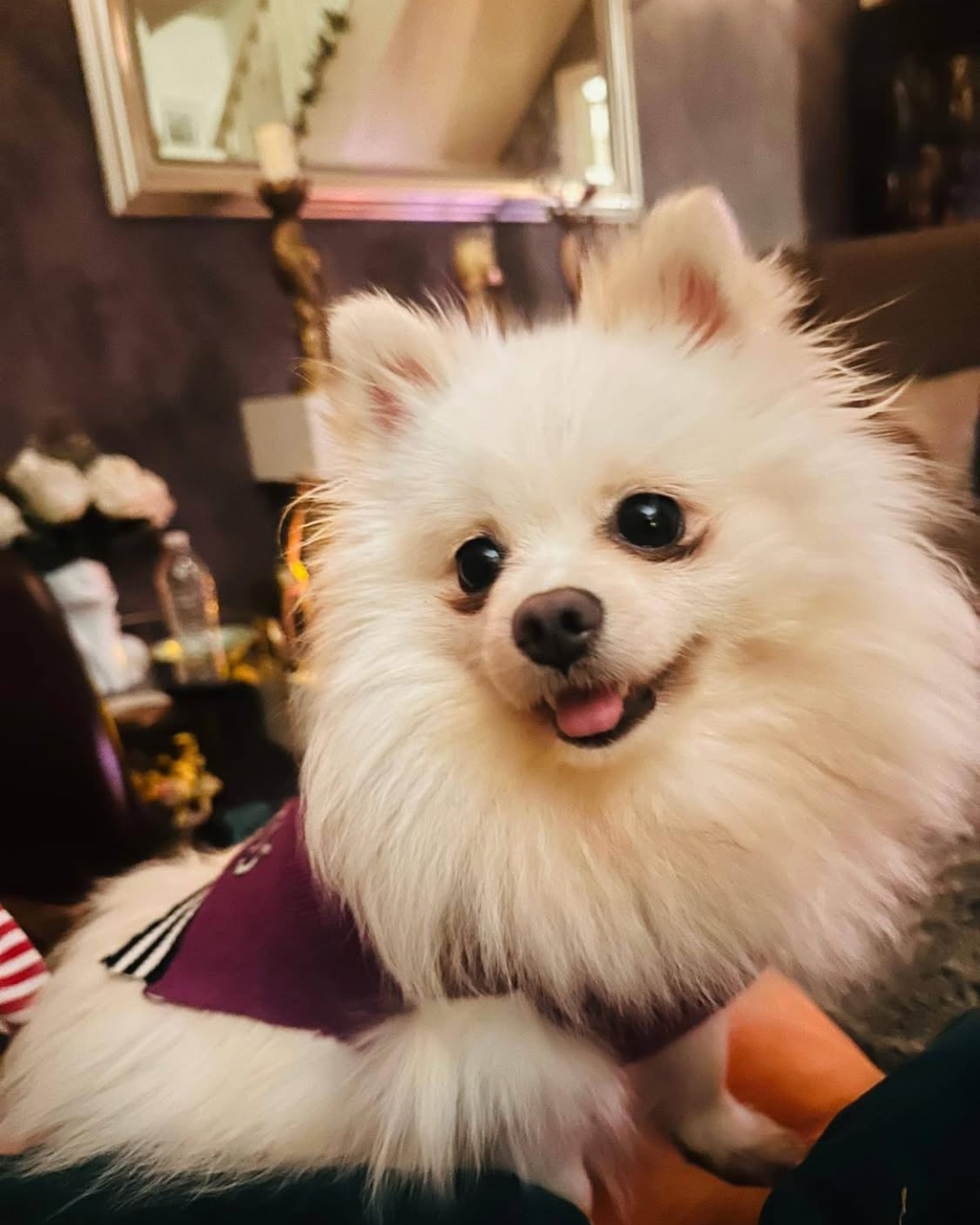
"I can't praise Martyn enough. I have recently rescued a lovely little pomeranian but she didn't arrive without her issues, she is very reactive to other dogs cars and people and I was really beginning to worry about her future. The transformation in just 4 days working with Martyn's plan is nothing more than amazing. Although Willow has a long way to go I'm sure our continued work with Martyn will get the results we all want for Willow. I would highly recommend Martyn."
-
![]()
Kevin
"Kevin started his journey with Martyn's Mutts before Christmas, initially helping Kev with is behavioural training. Kev is 1 and loves life and everything in-between. We now have Uncle Martyn and Amie taking him out 2 times a week. He loves his pack walks and seeing his doggy mates. I would highly recommend Martyn's Mutts. Kev is growing in a well manned and polite dog!"
-
![A small dog with gray fur and a black face, wearing a green fleece sweater and an orange collar, sitting outdoors on grass and dirt, looking up at the camera.]()
Ted
“Martyn has been brilliant with Ted, who needed help being on a lead and being close to other dogs. Martyn managed to work his magic straight away. Ted has loved being part of the pack. Martyn is the loveliest person who treats all the pooches like his own.”
-
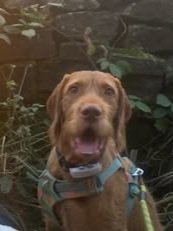
![A happy brown dog with a collar, standing outdoors among green plants.]()
Rudi
"Martyn treats every dog as an individual and his understanding of behaviour sets him apart from other dog walkers. I’ve seen a huge improvement in Rudi's behaviour, particularly his reactivity to other dogs. I have a busy work schedule and knowing that Martyn is able to provide Rudi with some mental and physical stimulation in the day is a huge relief."
-
![Two black French Bulldogs standing outdoors on a patch of grass and fallen leaves, with trees and bushes in the background.]()
Doug & Peggy
“The pugs love their weekly walk with Martyn and Freddie! I would highly recommend! Thank you for treating Doug & Peg as if they were your own😊”
-
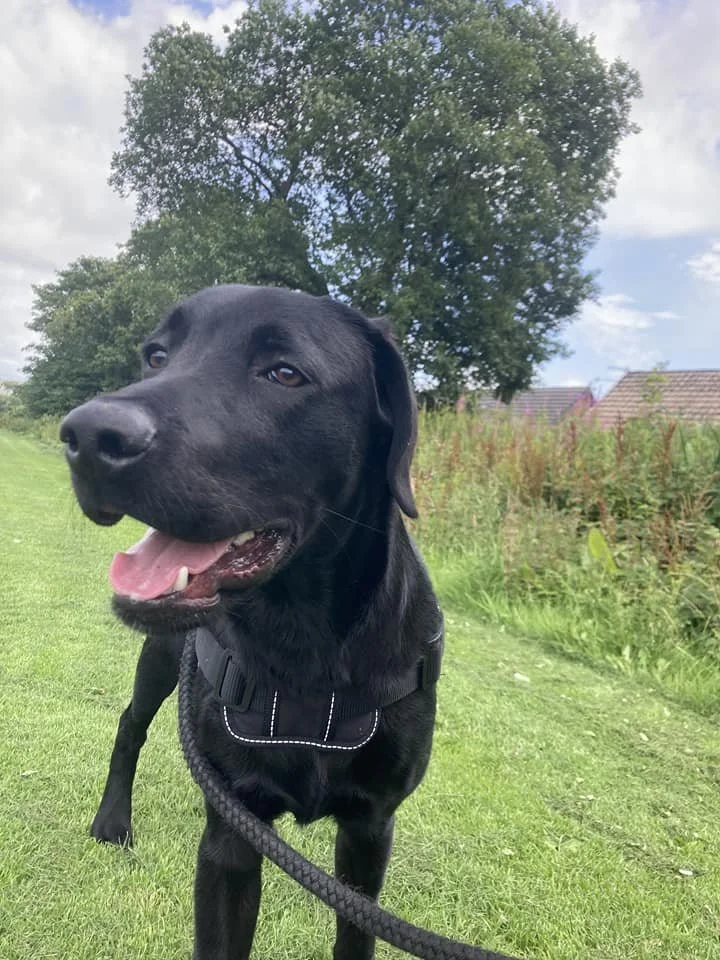
![A black Labrador Retriever dog on a leash outdoors in a grassy park area with trees and houses in the background.]()
Dexter
“Dexter absolutely adores his walks with Martyn and Freddie twice a week. Before Martyn started walking dexter, he did an initial meeting to understand Dexter and see which walk group he would be best suited too- something I feel is so important.”
-
![A small black dog with curly fur standing on a gravel path in front of a stone wall surrounded by green plants smiling with its mouth open.]()
Jensen
"Martyn has been walking our gorgeous cockapoo Jensen for almost 2 years now, he’s reliable, does different walks every week and sends lots of pictures of each session too. Jensen is always excitedly waiting in the window when I remind him ‘uncle Martyn’ will be coming today."
-
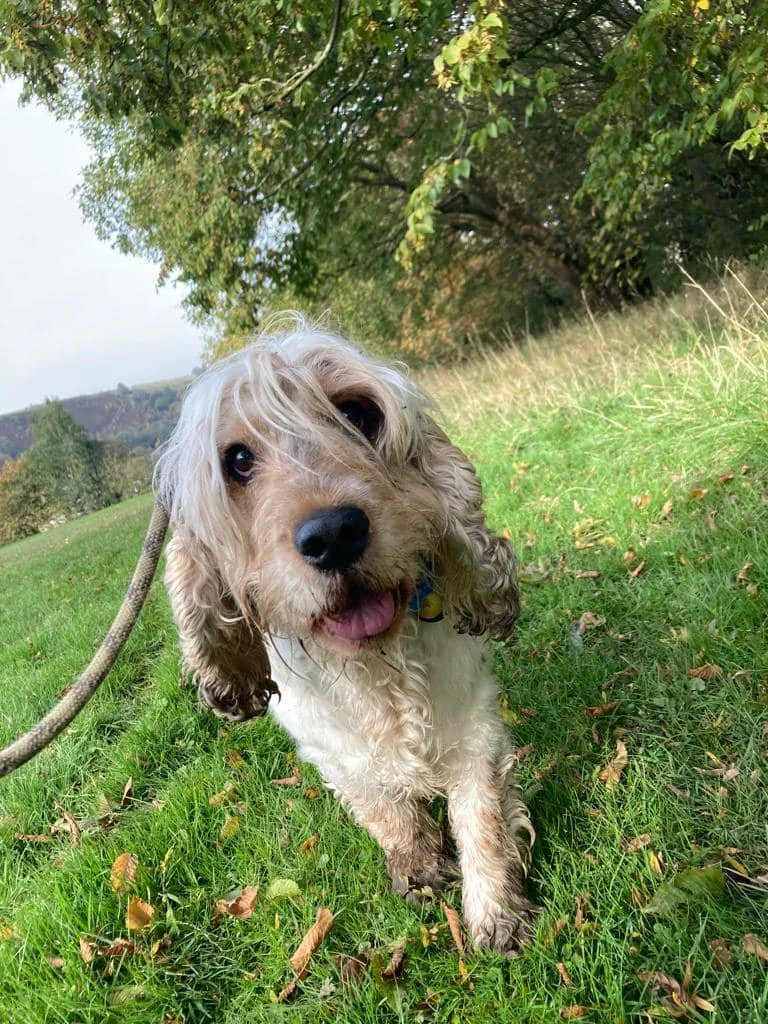
![A cute Cocker Spaniel dog with curly ears and a wavy coat, standing on green grass in a park with trees in the background.]()
Luther
"We have been with Martyn about 18 months and contacted him through a friend’s recommendation to help Luther socialise. Martyn took it slow with one to one sessions and then introduced him to Fred and 18 months on, he happily walks with his gang. 10/10 Martyn."
-
![Close-up of a black curly-furred dog with brown eyes being gently touched by a person's hand, with a small tan dog wearing an orange sweater in the background on grass.]()
Buddy
"Martyn has been amazing with Buddy over the last 18 months. Buddy is a nervous, anxious dog and Martyn has been patient, supporting him into the pack! Always reliable, turning up in all weathers- the walks have long been a highlight of our week!"
-
![Happy and fluffy small dog on a leash standing on a gravel path with green bushes and trees in the background.]()
Murphy
"Martyn is great with my Murphy, who sits waiting for him every Wednesday morning. He loves meeting his doggie pals and really enjoys his walks exploring all the local countryside. Highly recommended!"
-
![A man with a beard and a nose ring, wearing a black beanie with a Raiders logo and a black winter coat with a fur-lined hood, is smiling widely for a selfie. He is holding a brown puppy with floppy ears looking at the camera, dressed in a black harness. The background shows a blue sky and some buildings.]()
Otis
"Martyn is absolutely unbelievable. We cannot sing his praises enough. Our little pooch has been part of his gang since he was a tiny puppy and we’ve seen his confidence grow through his weekly walks with Martyn🐾. Martyn’s knowledge on dog nutrition, behaviours and training is another reason we trust him completely with our special boy."
-
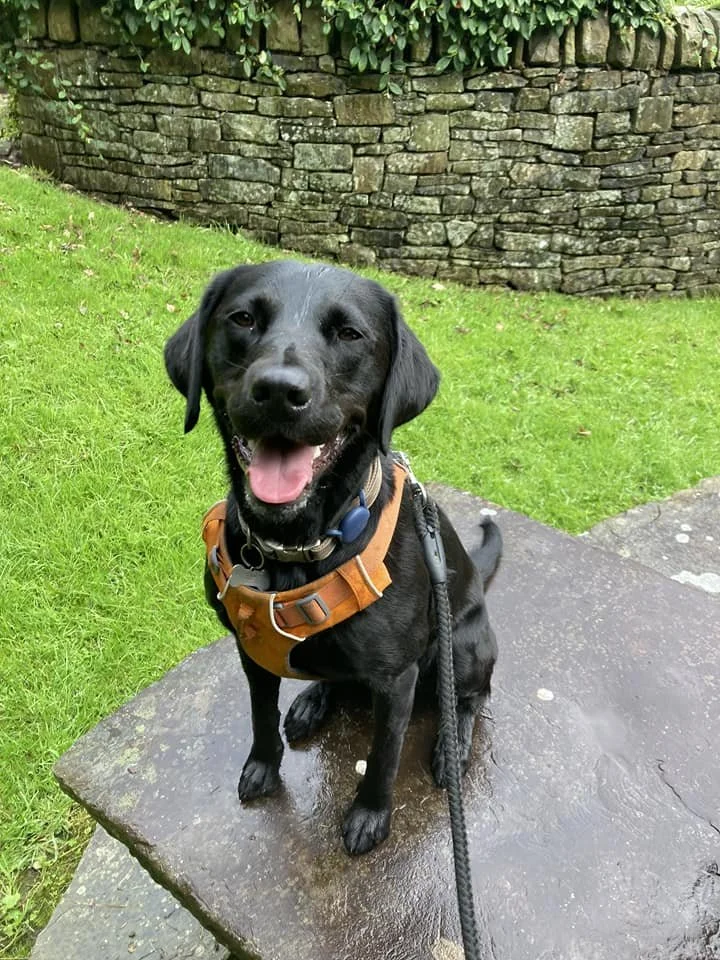
![A happy black Labrador retriever sitting on a wet stone surface with a grassy area and stone wall in the background.]()
Jess
"We have been using Martyn for the last few years to walk our black Labrador Jess. She adores Martyn & waits for him to arrive. It has helped massively with her social skills in & around other dogs. I highly recommend Martyn’s Mutts 😁"
-
![A man with a beard and a topknot hairstyle looks at a small cream-colored dog licking his nose against a cloudy sky background.]()
Loki
"My excitable cockapoo Loki has been walking with Martyns Monday Lunchtime pack for a year now and honestly choosing him as our dog walker was the best decision we could have made for our boy. On top of Loki loving it, we have also seen really positive changes in Loki's behaviours when with us too (previously he was slightly dog reactive but now is great with other dogs) 1000 times recommended. Martyn and Fred are worth their weight in gold."
-
![]()
Finn
"I have been using Martyn’s Mutts to walk my very timid rescue dog for the last 2.5 years, since meeting Martyn the difference in my boy is remarkable. He is now a confident boy enjoying the company of his friends. Finn has absolutely come on leaps and bounds, and this is only due to the patience and knowledge that Martyn has in all areas of doggies, he has given Finn the time and space that he needed and was happy to move at Finns pace, your furball to Martyn is always the priority. "
-
![Two French bulldogs, one with a tan coat and the other with a brindle coat, standing in a grassy area with fallen leaves, looking up at the camera.]()
Silvia & Brando
"Martyn has been brilliant with my two dogs, he really took the time to get to know them and make sure he knew their quirks before he took them out! They're always so excited to see him and Freddie, and shattered when they get back. Perfect!"
-
![]()
Margot & Melba
"Martyn has been walking my girls for over a year now and I can’t recommend him enough! Really professional, loads of experience and ensures my doggos are well walked and safe!""
-
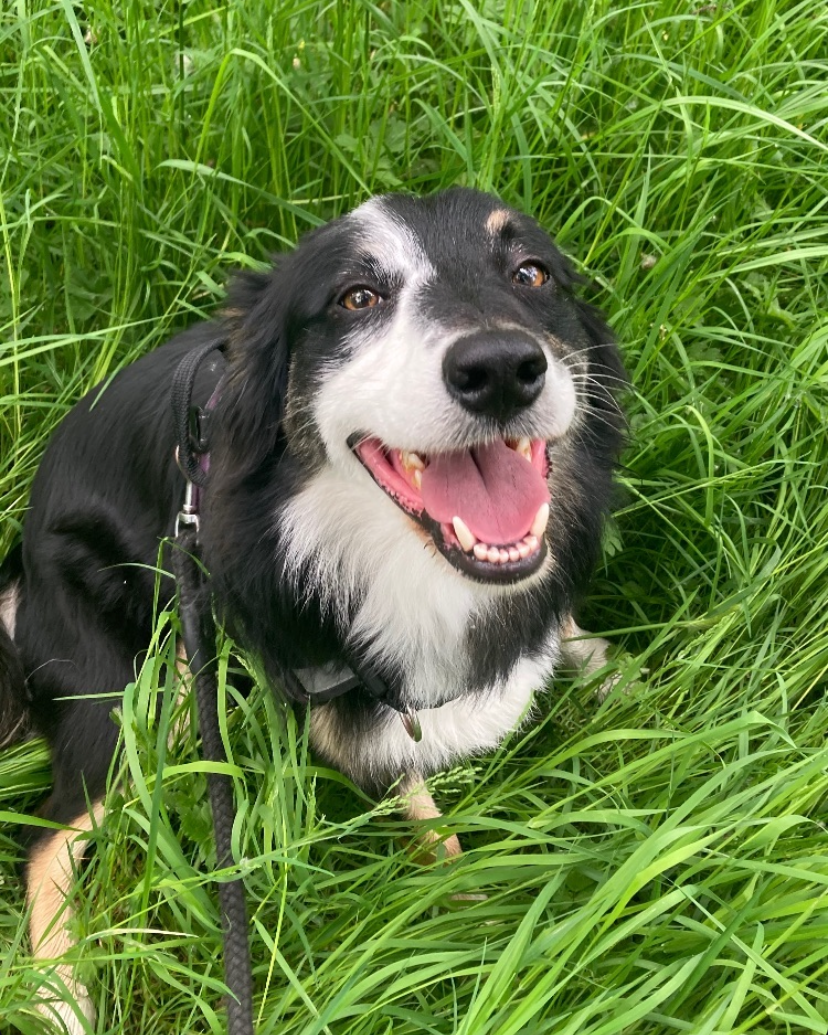
![A happy black and white dog sitting in tall green grass, panting with its tongue out.]()
Geoff
"Martyn is now Geoff’s best friend and Geoff adores him; he absolutely loves his walks. Geoff has his own crew in his new friends (Freddie and Indie); he is being socialised, exercised and entertained and I can’t recommend Martyn enough to care for your pooch. I love the photo updates following each walk, love how much Martyn loves Geoff and feel really reassured that Geoff is in very safe hands."
-
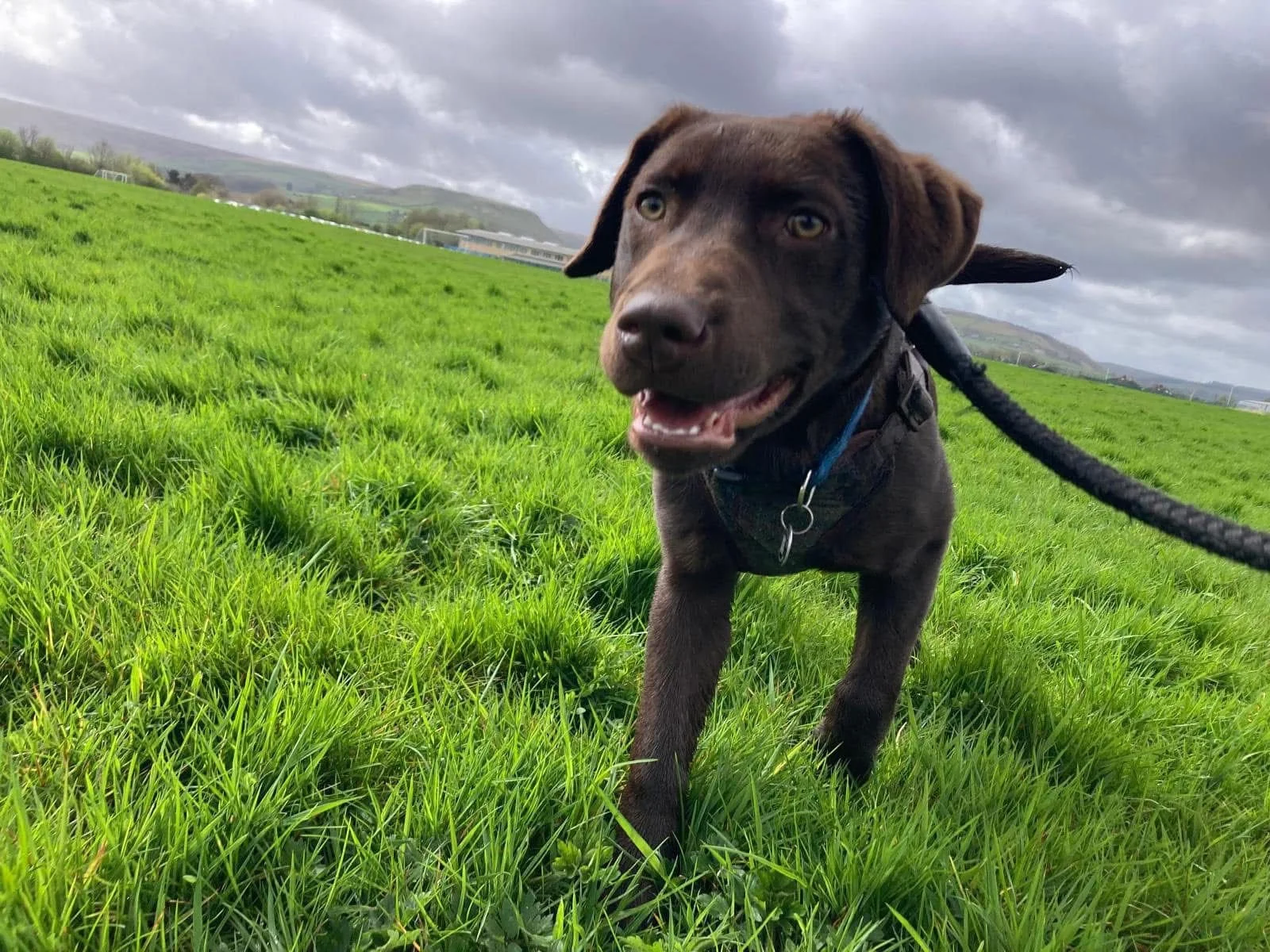
![A happy brown Labrador puppy wearing a harness, walking on green grass with overcast skies in the background.]()
Teddy
"Teddy absolutely loves Martyn, I would highly recommend him for his fab service. Teddy joined when he was a pup and Martyn has given him/us the care and reassurance, taking extra time to ensure he is settled after his adventures out."
-
![]()
Archie, Bertie, Dottie & Slinky
"Finally getting round to writing my recommendation for Martyn. Martyn has been walking my mad bunch for 2 years now. He’s been absolutely fantastic and steps in with last minute walks for us because of our busy football schedule with our daughter! Archie loves he’s walks and the sausage dogs do in the summer, not so much the winter tho 🤣🤣 Thankyou Martyn and if anyone is in need of a dog walker with plenty of knowledge give him a shout!!"
-
![]()
Flint & Lincoln
"Flint & Lincoln love going for walks with Martyn, they go as a pack with their cousin Lola, with we feel is great for their social interaction. Martyn is extremely knowledgeable & helped us with questions that we had. The boys 🐕 look forward to their weekly walk & are exhausted when they return from their adventures. Best thing we ever did getting in touch with Martyn."
-
![]()
Lottie
“Martyn was quick to respond to my enquiry, I never felt pressured to join Martyn’s Mutts. I’m happy that Lottie is safe when she is out with Martyn and the gang. I love receiving weekly photos of Lottie’s adventure. She always looks like she is having a great time when she out with Martyn and the other dogs.”
-
![]()
Ted
“We have been using Martyn’s mutts since the new year and would absolutely recommend them. Ted loves his walks every week and even cries when they bring him home to go back out!”










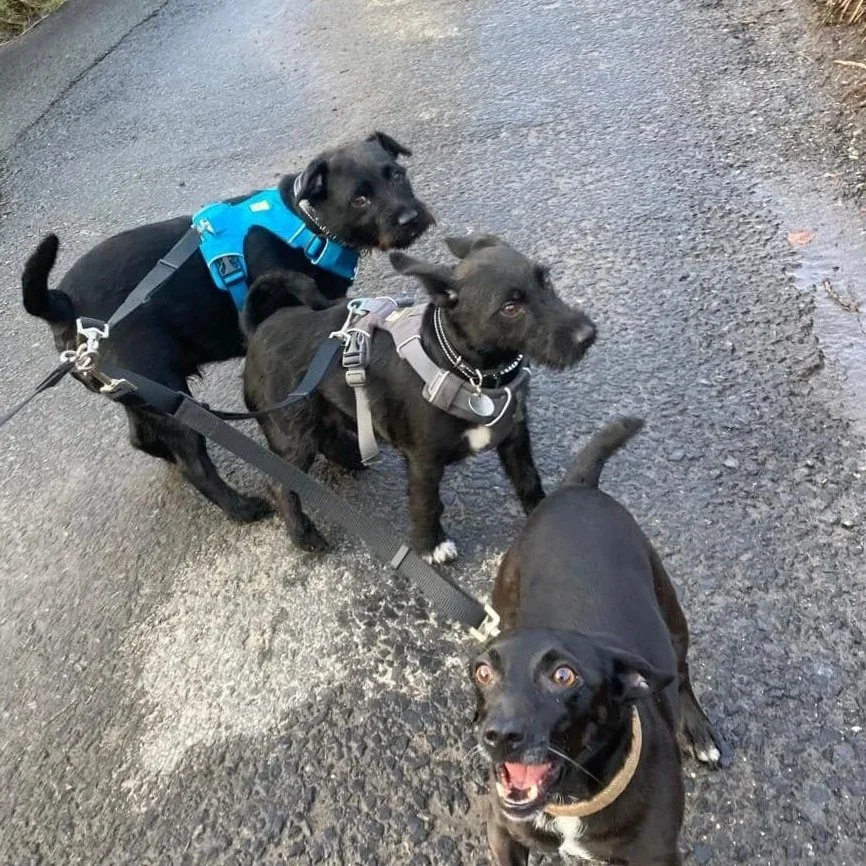
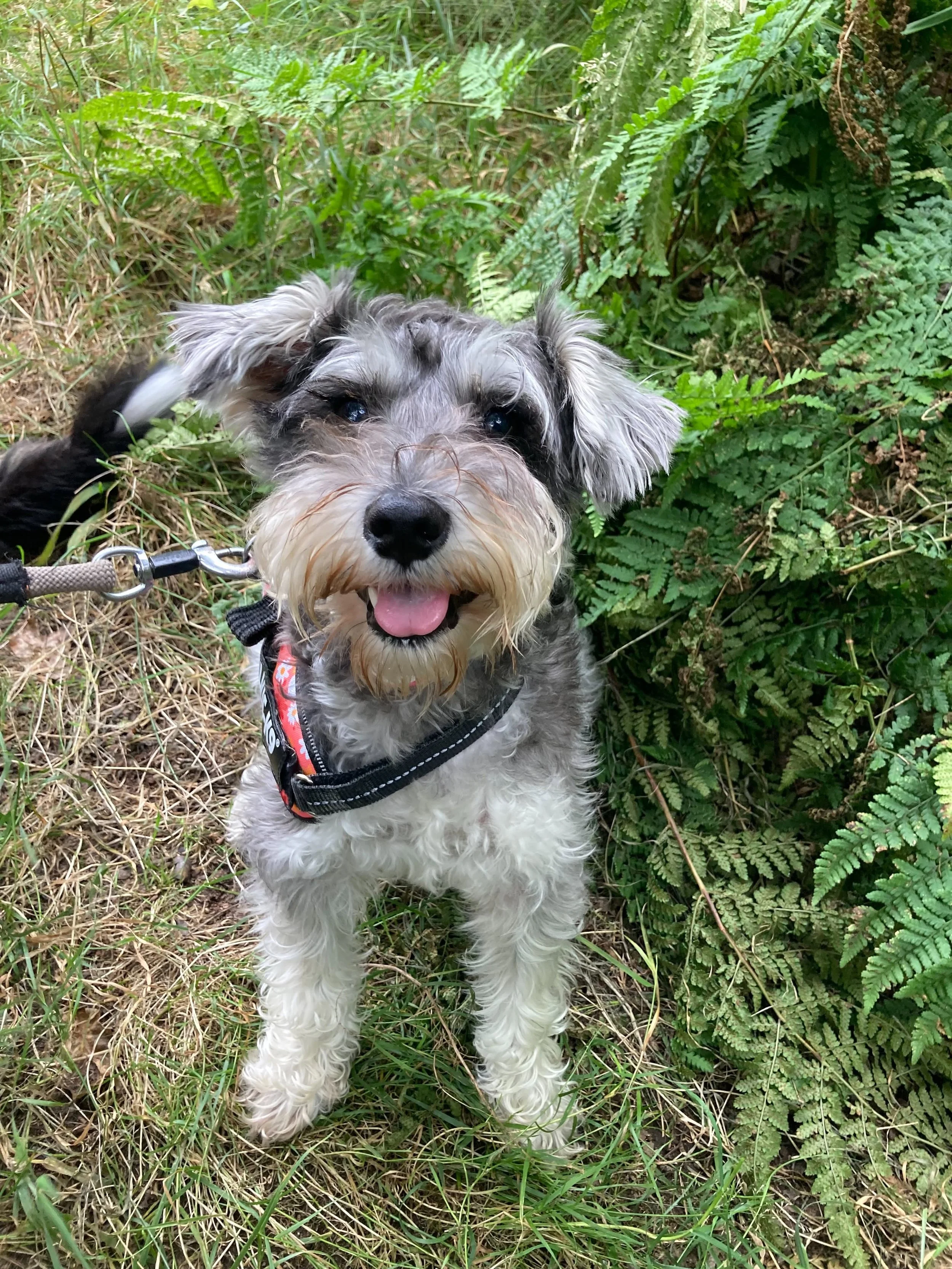
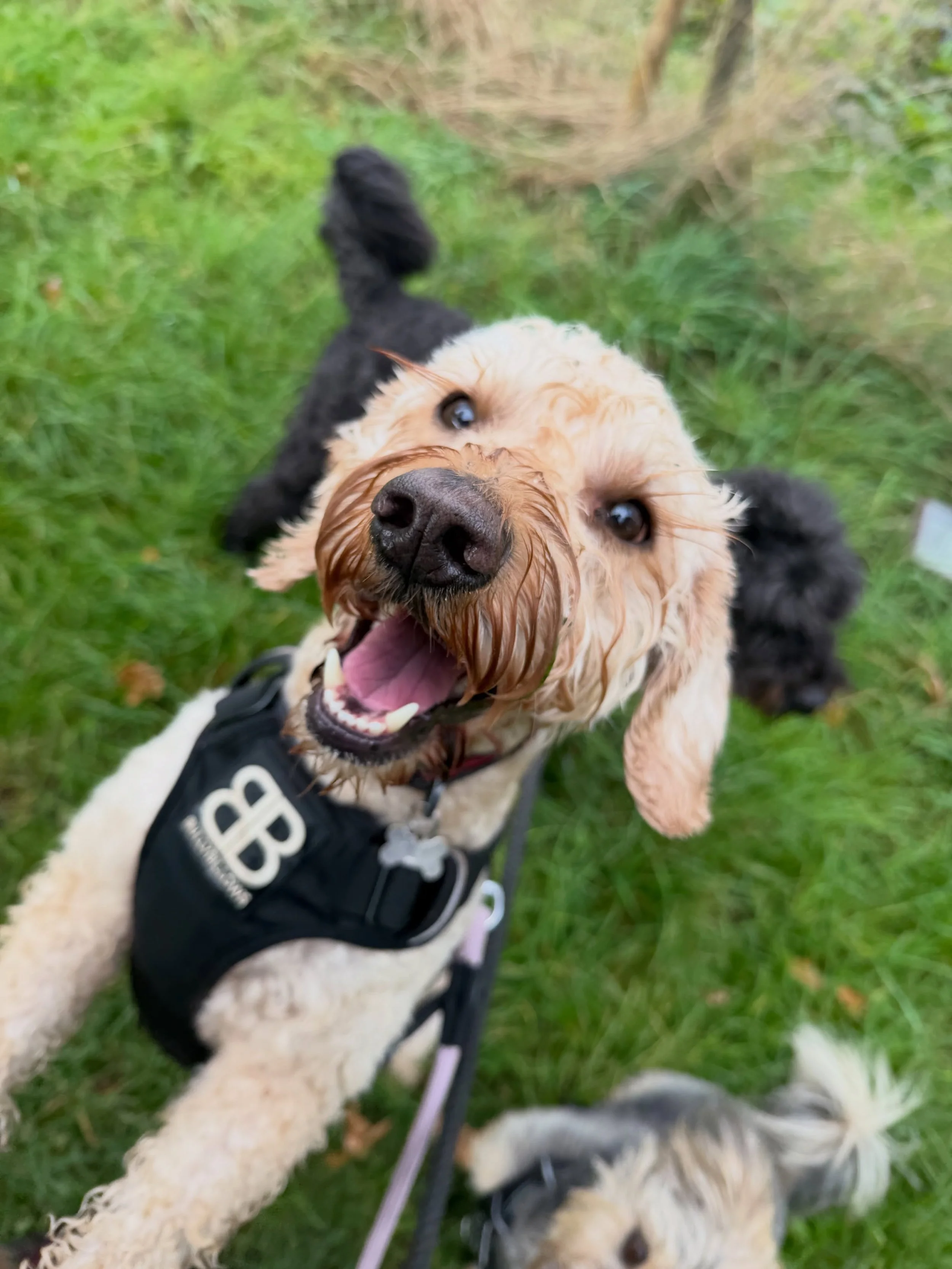
Certified in:
-
Understanding Canine Communication: Exploring how dogs communicate through body language, vocalisations, and behaviour.
Recognising Stress Signals: Identifying signs of stress or discomfort in dogs, including subtle cues.
Reading Positive Signals: Learning to recognise when a dog is comfortable and happy.
Contextual Interpretation: Understanding how context affects body language interpretation.
Applying Knowledge in Training: Using body language insights to enhance training and behaviour modification.
-
Understanding Aggression: Examining the different types of aggression in dogs, including fear-based, territorial, and social aggression.
Assessing Behaviour: Learning how to assess a dog’s behaviour and triggers, as well as recognising body language associated with aggression.
Behaviour Modification Techniques: Exploring effective techniques for modifying aggressive behaviour, including positive reinforcement strategies.
Safety Protocols: Understanding safety measures for handling aggressive dogs, both in training environments and in everyday situations.
Owner Education: Providing guidance on how to educate dog owners about aggression, including management strategies and when to seek professional help.
-
Understanding Human Aggression: Exploring the reasons behind aggressive behaviour directed towards humans, including fear, anxiety, and territoriality.
Identifying Triggers: Learning how to identify specific triggers for aggressive behaviour in dogs, such as certain situations, people, or environments.
Risk Assessment: Understanding how to assess the level of risk associated with a dog displaying aggression towards humans.
Behaviour Modification Strategies: Exploring various training techniques and behaviour modification strategies, focusing on positive reinforcement and desensitisation.
Safety Protocols: Discussing safety measures for handlers and owners when working with aggressive dogs to prevent incidents.
Owner Support and Education: Providing guidance on how to help dog owners understand and manage their dog's aggression, including when to seek professional assistance.
-
Understanding Resource Guarding: Examining what resource guarding is, including the types of resources dogs may guard (food, toys, space, etc.) and the underlying motivations.
Identifying Signs: Learning to recognise the signs of resource guarding, including body language and behaviours that indicate a dog is uncomfortable or protective.
Assessment Techniques: Understanding how to assess the severity of resource guarding behaviours and identify triggers.
Behaviour Modification Strategies: Exploring effective training techniques to address resource guarding, focusing on positive reinforcement and desensitisation methods.
Safety Measures: Discussing safety protocols for handlers and owners when managing a dog that exhibits resource guarding tendencies.
Owner Education: Providing guidance on how to educate dog owners about resource guarding, including management strategies and prevention techniques.
-
Understanding Separation Anxiety: Examining what separation anxiety is, including its causes and how it manifests in dogs.
Recognising Symptoms: Learning to identify common signs of separation anxiety, such as excessive barking, destructive behaviour, and house soiling.
Assessment Techniques: Understanding how to assess the severity of separation anxiety and identify triggers for the behaviour.
Behaviour Modification Strategies: Exploring effective training methods to help alleviate separation anxiety, including desensitisation and counter-conditioning techniques.
Creating a Supportive Environment: Discussing how to set up a dog's environment to reduce anxiety and promote comfort when left alone.
Owner Education: Providing guidance on how to educate dog owners about separation anxiety, including management strategies and when to seek professional help.
-
Understanding Puppy Development: Exploring the different stages of puppy development and the behaviours commonly exhibited at each stage.
Common Behavioural Issues: Identifying typical issues that arise during the puppy stage, such as nipping, chewing, and house training challenges.
Socialisation Strategies: Learning the importance of socialisation and how to safely expose puppies to various people, environments, and other animals.
Basic Training Techniques: Introducing fundamental training concepts, including basic commands, reinforcement techniques, and establishing good manners.
Preventative Measures: Discussing how to prevent behavioural problems from developing by providing appropriate outlets for energy and mental stimulation.
Owner Education: Guiding puppy owners on how to manage and support their puppy’s development, including establishing routines and expectations.
-
Fundamentals of Dog Training: Introducing key concepts of dog training, including the importance of positive reinforcement and the role of motivation.
Understanding Canine Behaviour: Exploring basic canine behaviour and learning how dogs learn, including different training theories and techniques.
Basic Commands: Teaching essential commands such as sit, stay, recall, and heel, along with effective methods for training these behaviours.
Communication Skills: Developing effective communication skills between the trainer and the dog, including body language and verbal cues.
Problem Solving: Identifying and addressing common training challenges and behavioural issues that may arise during training.
Socialisation: Understanding the importance of socialisation and how to safely introduce dogs to various environments, people, and other dogs.
-
An intensive hands-on program to build practical skills in coaching group dog training classes, covering essential skills such as structuring and planning classes, teaching effective training methods, and using observational techniques to assess both dog and handler progress.
-
By:

&

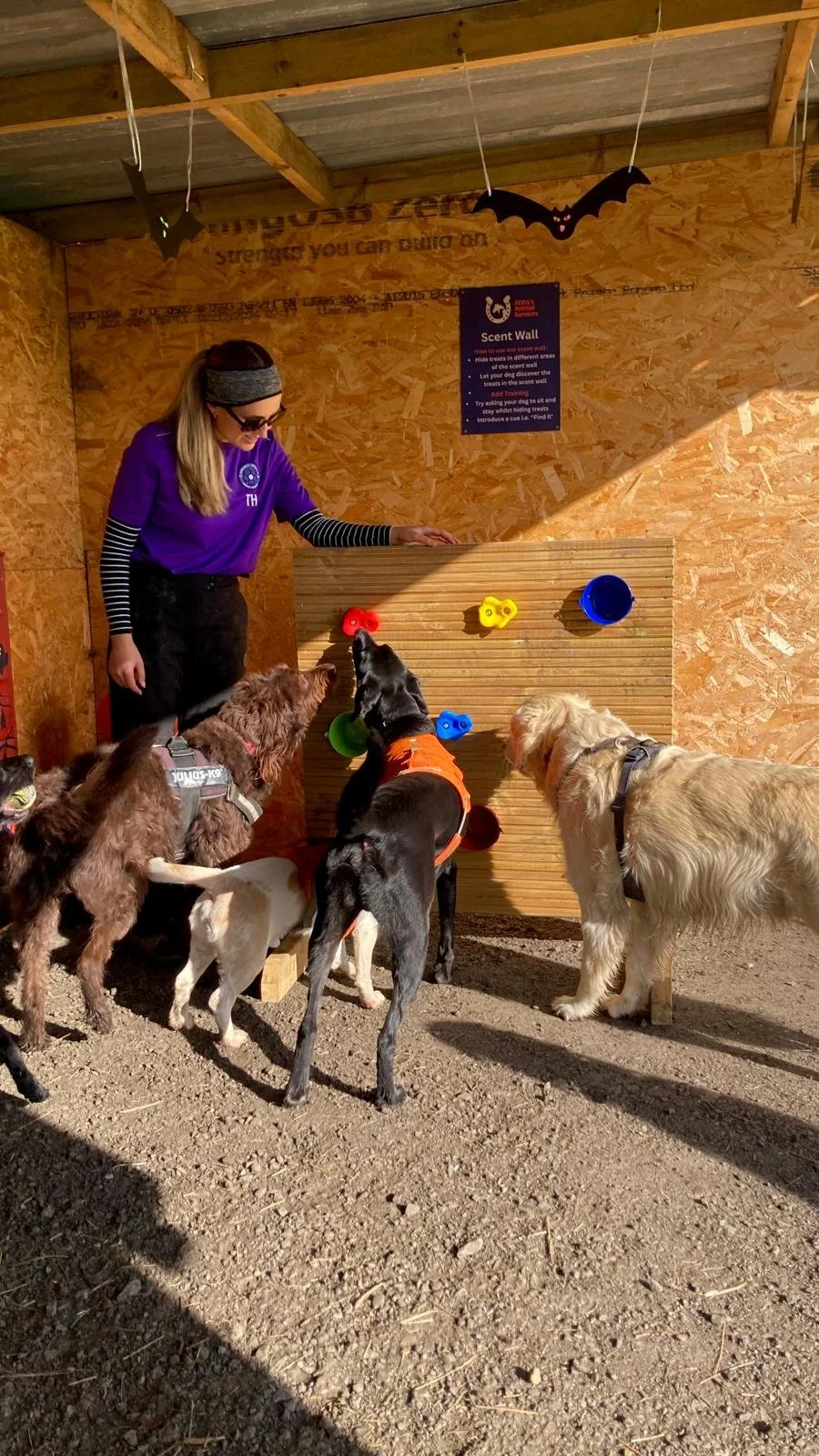
Our photos, your dogs, their stories
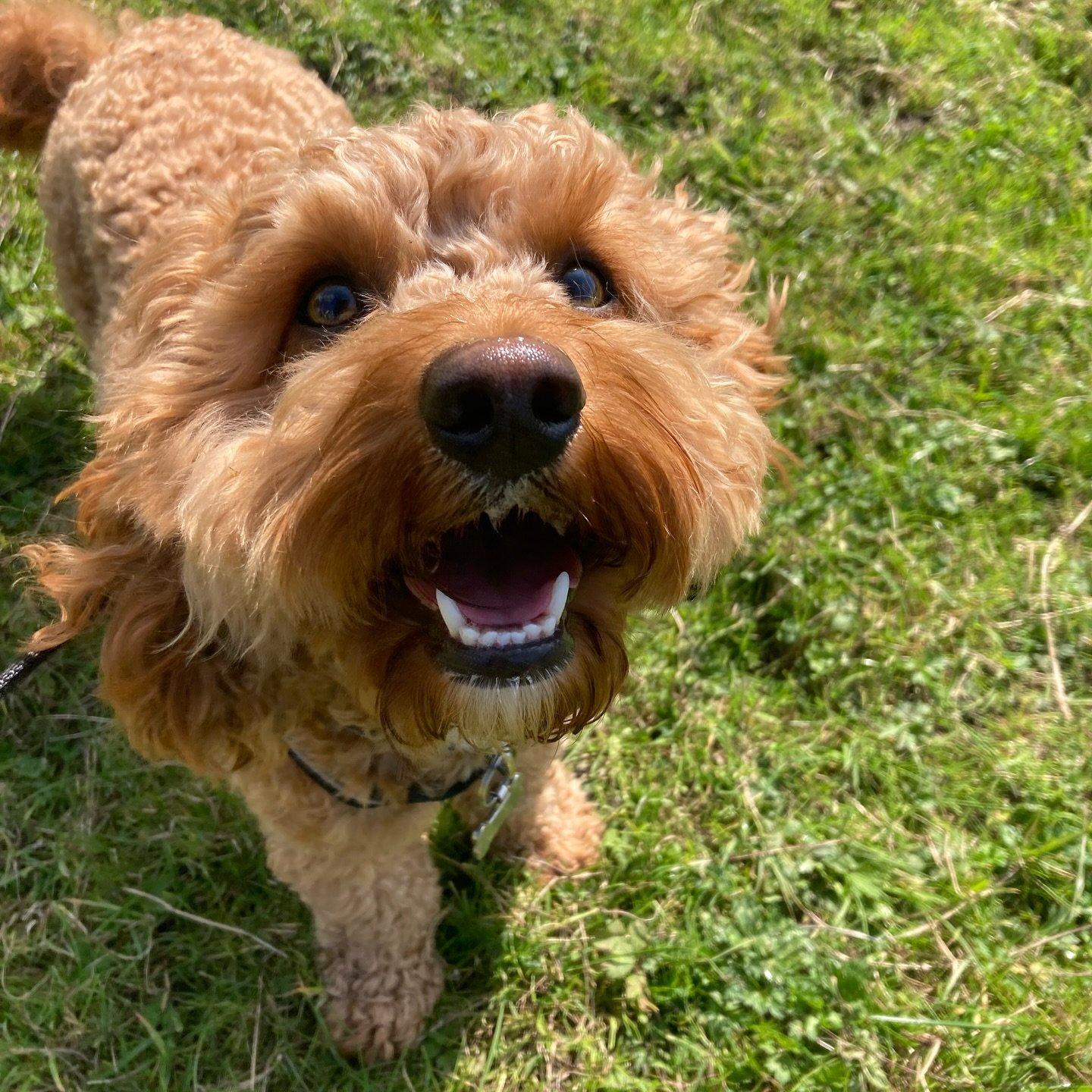
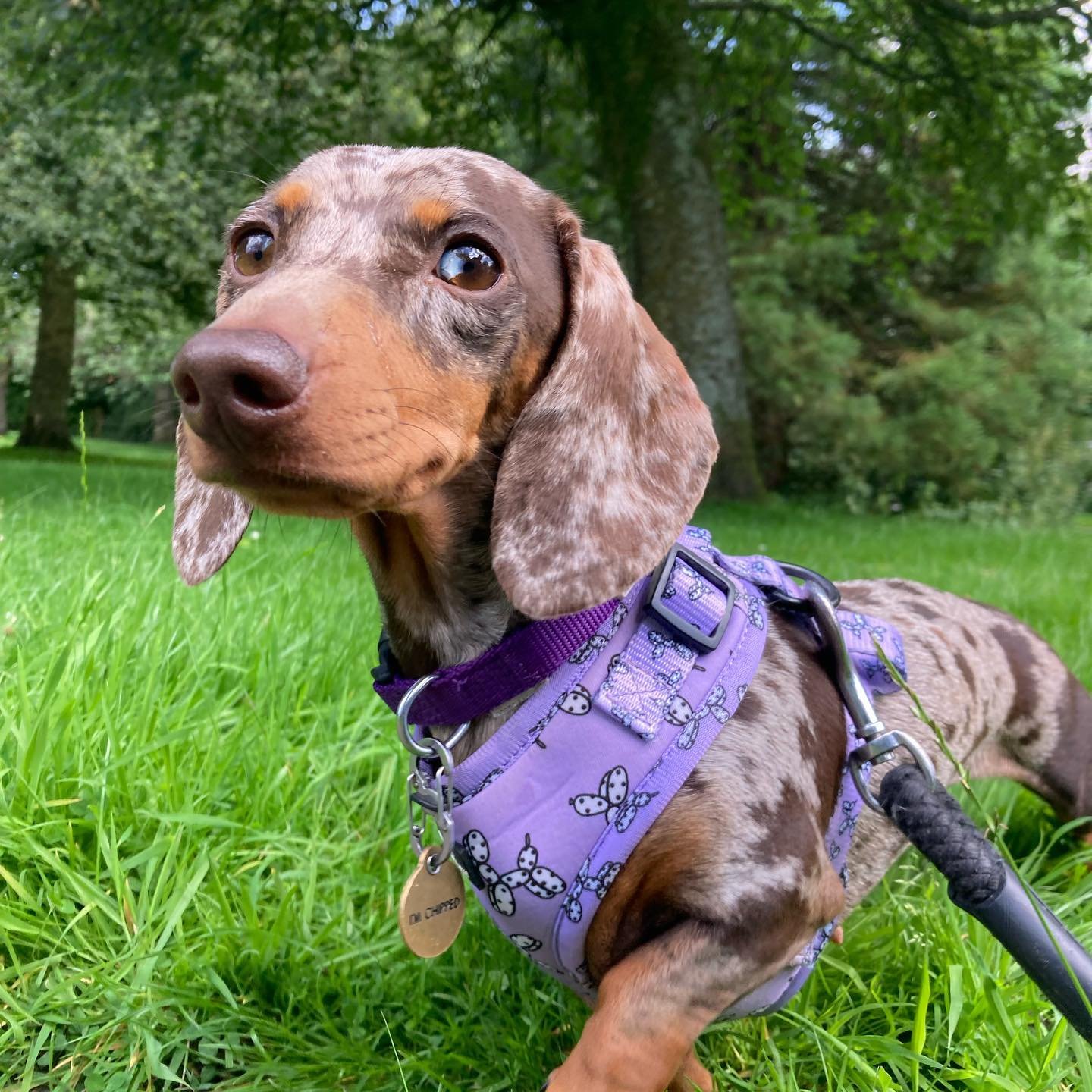
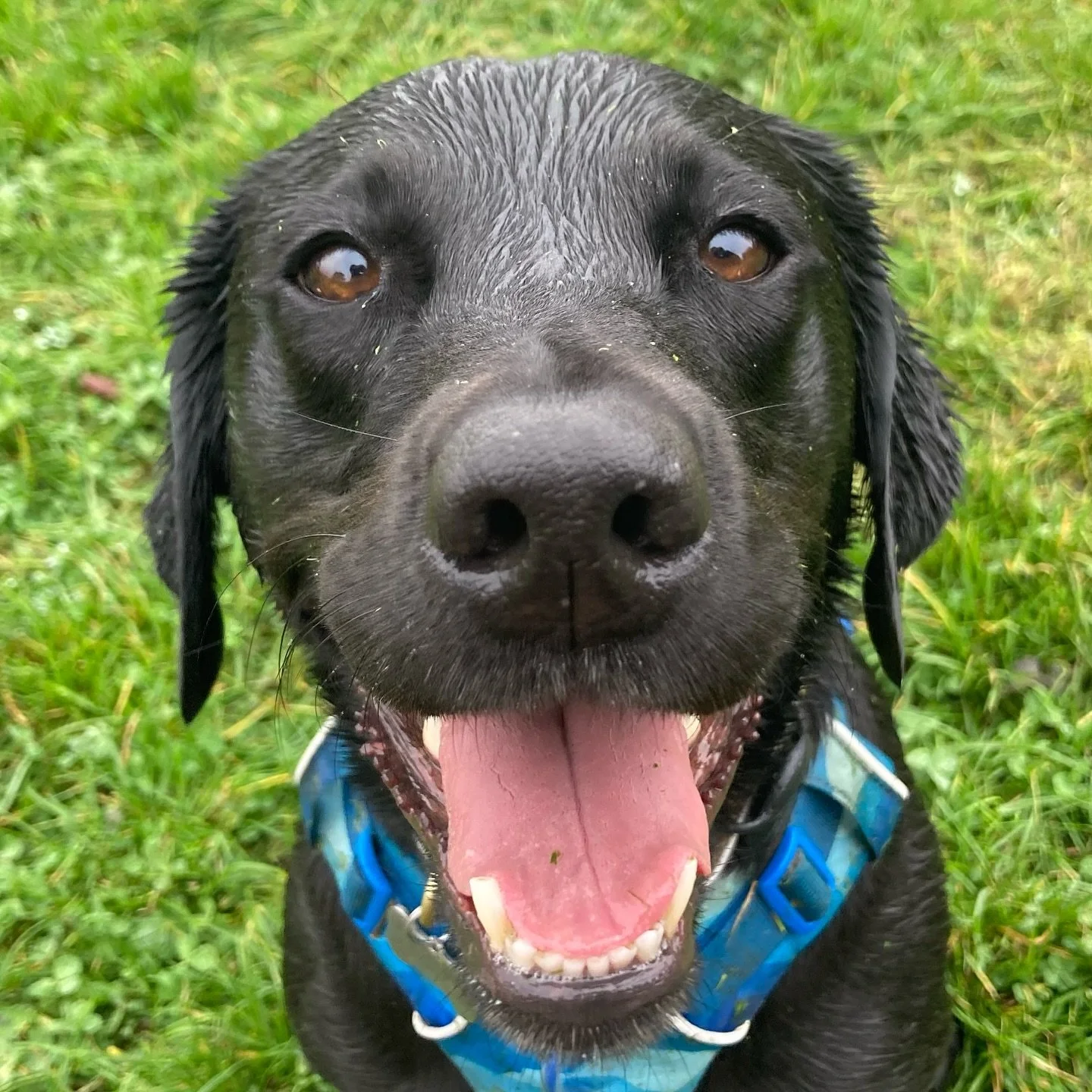
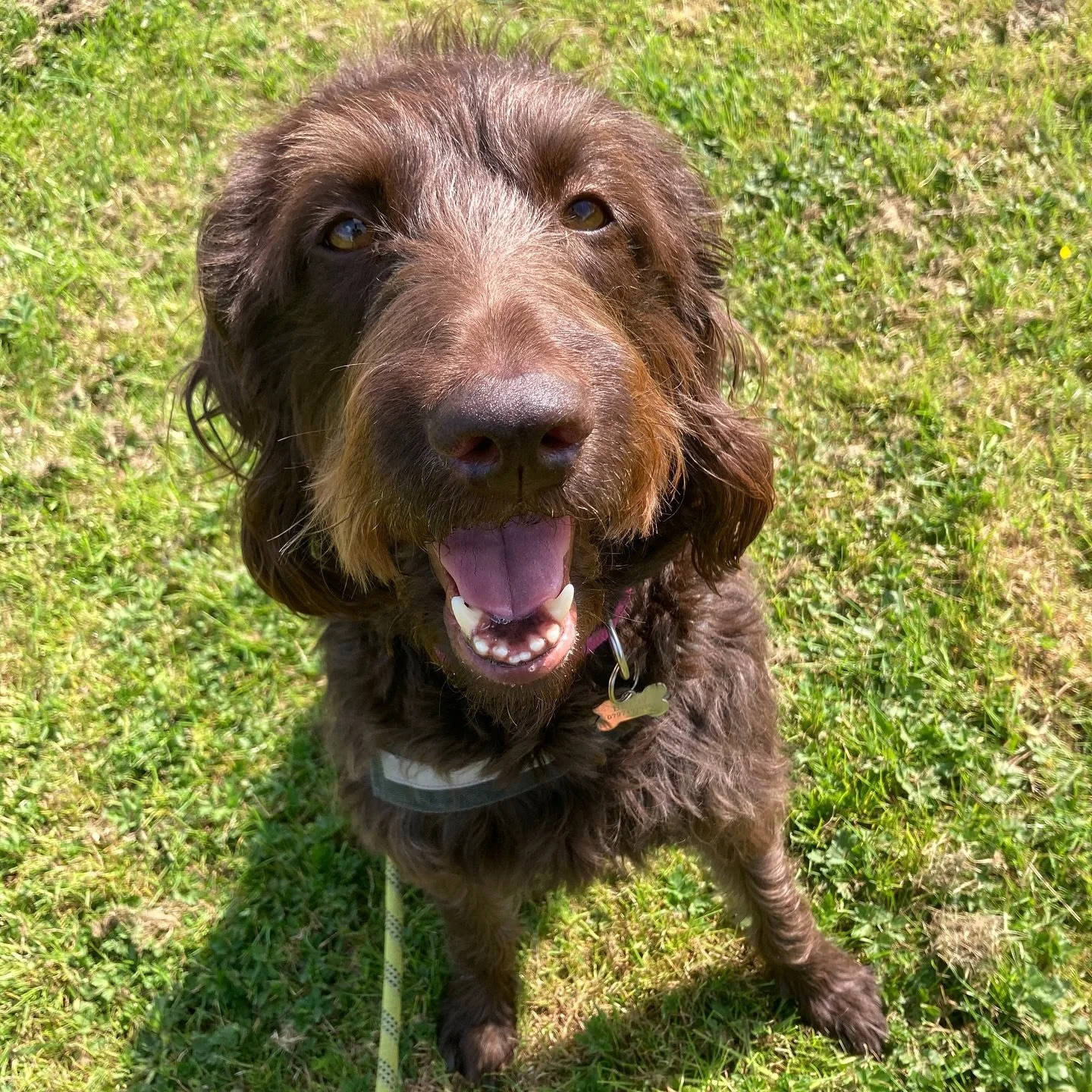
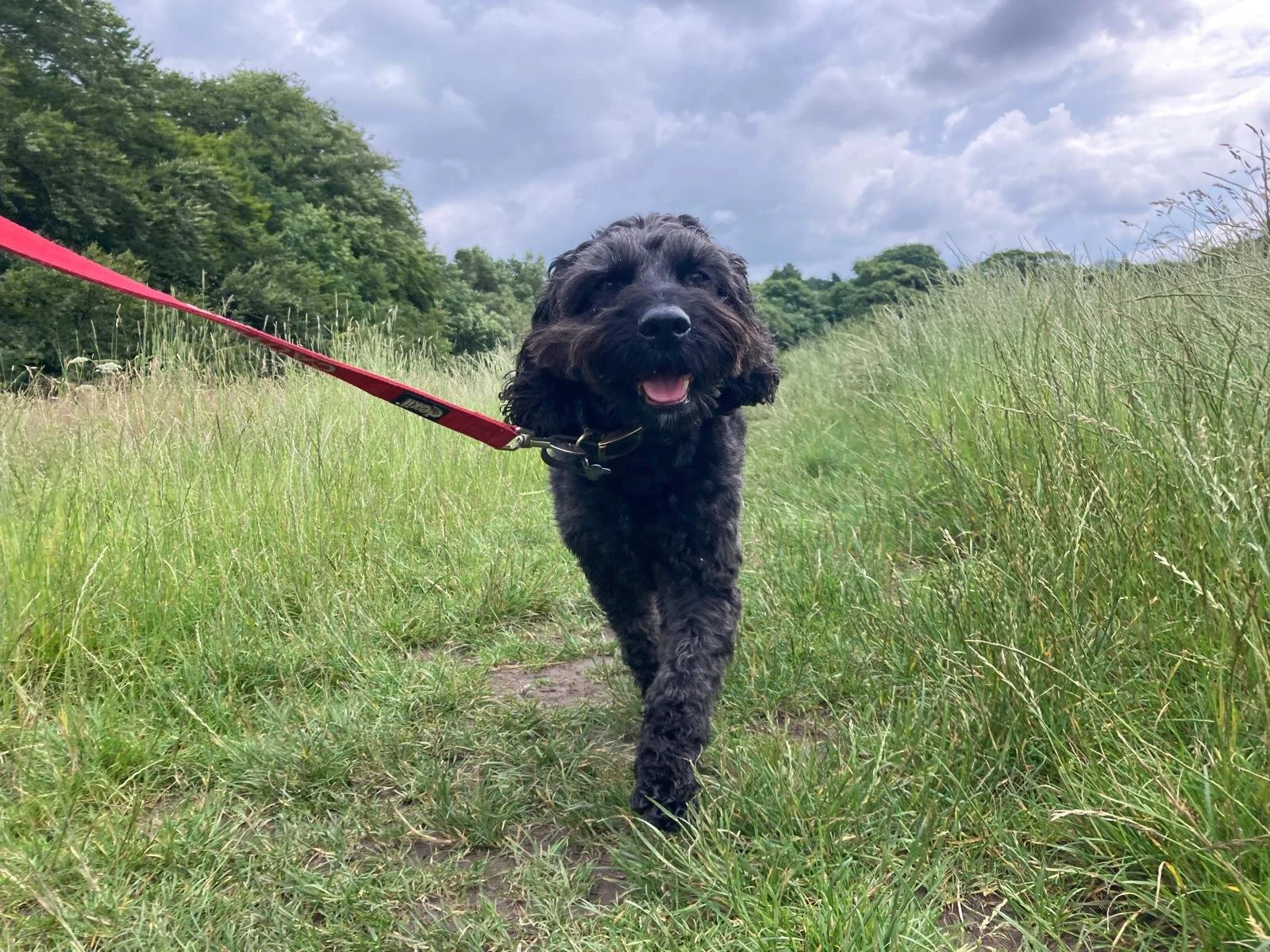
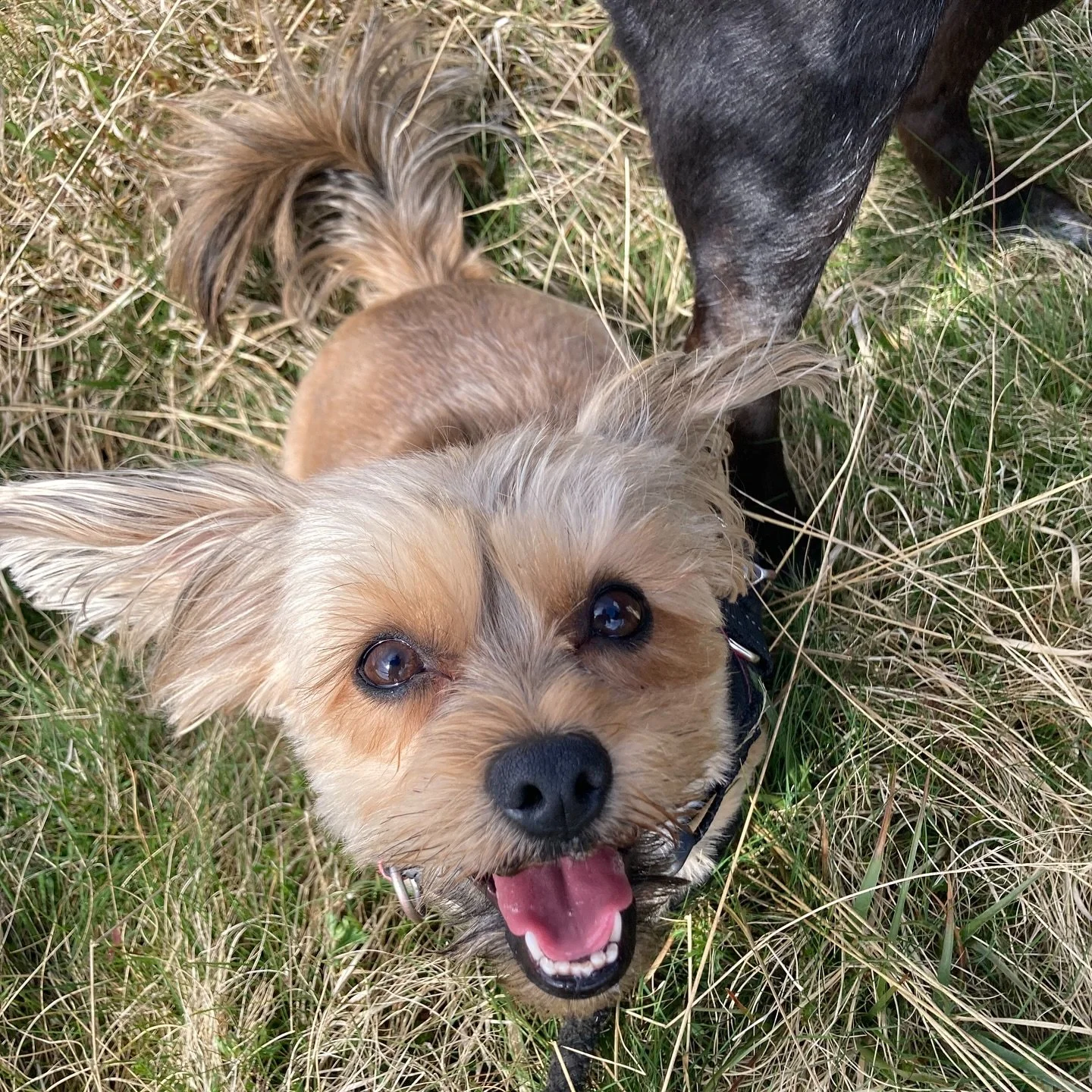
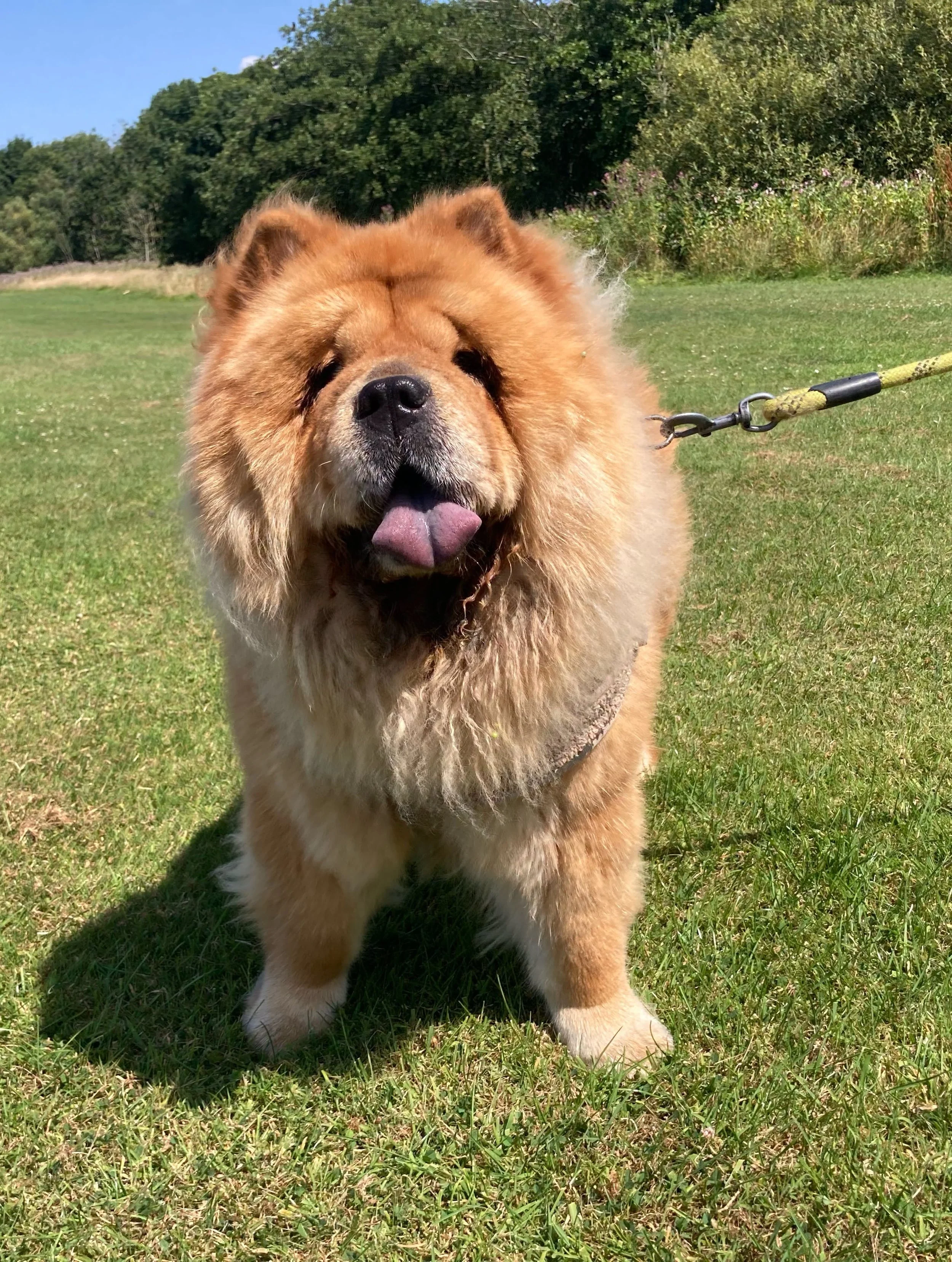
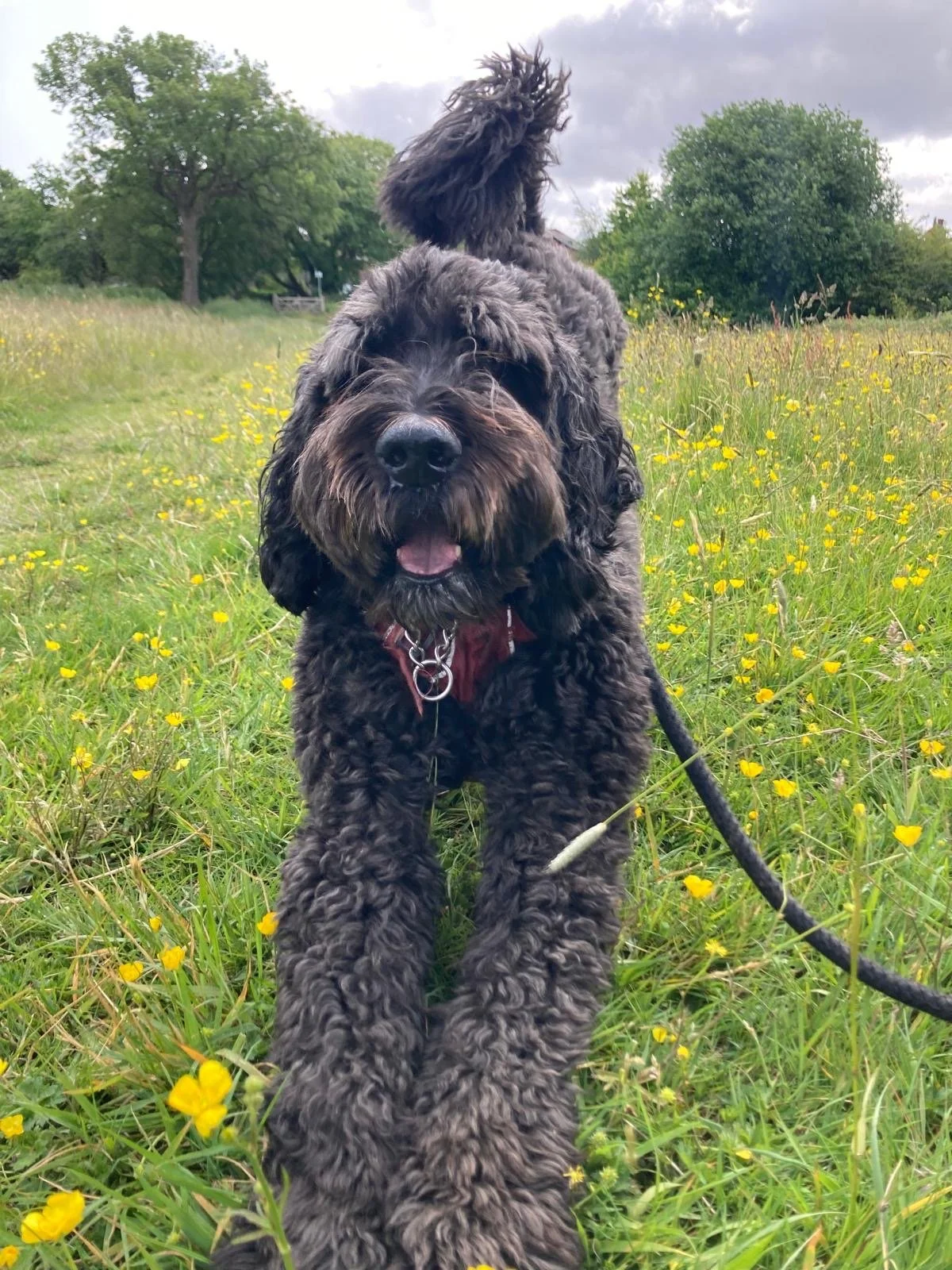
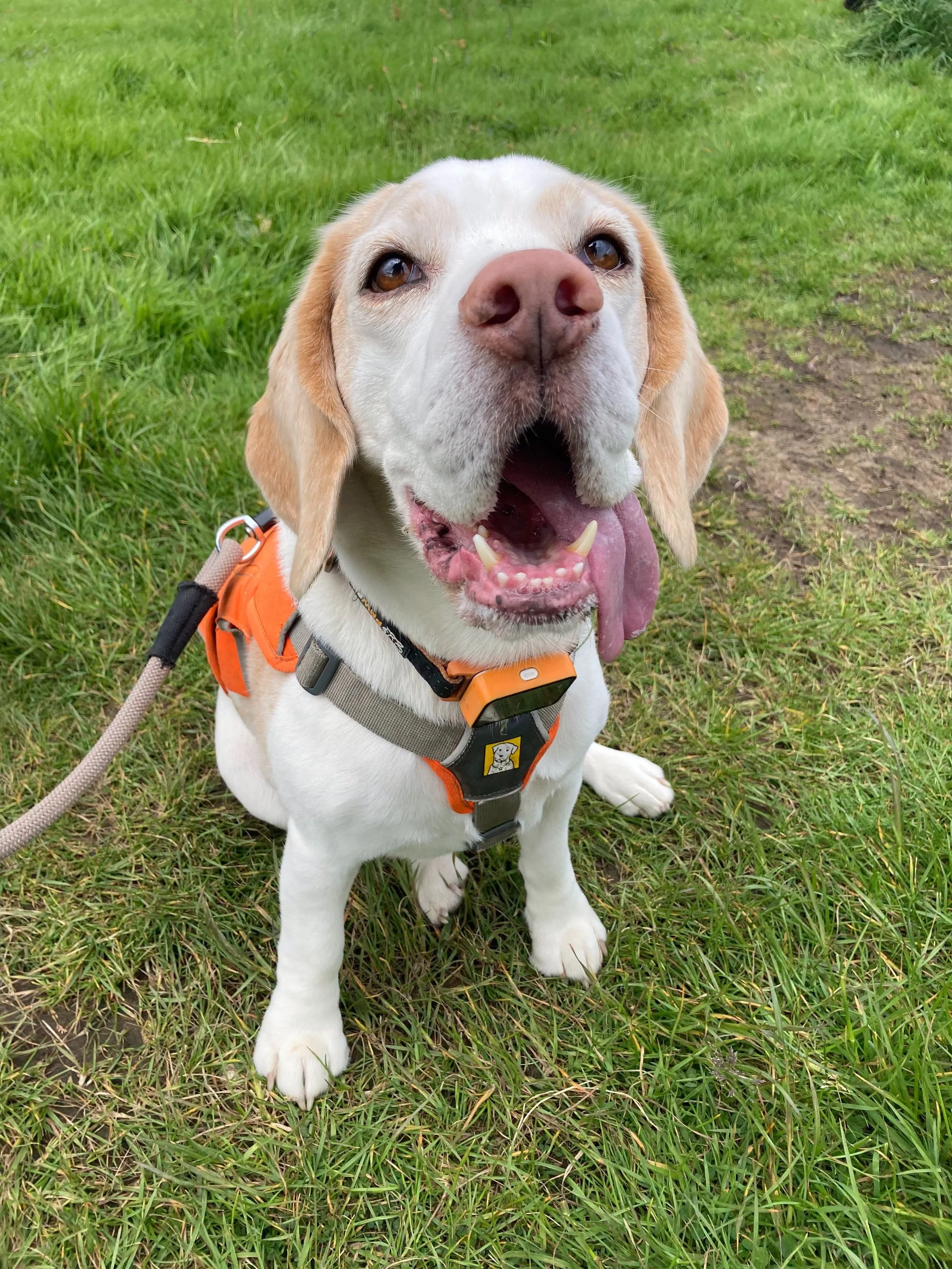
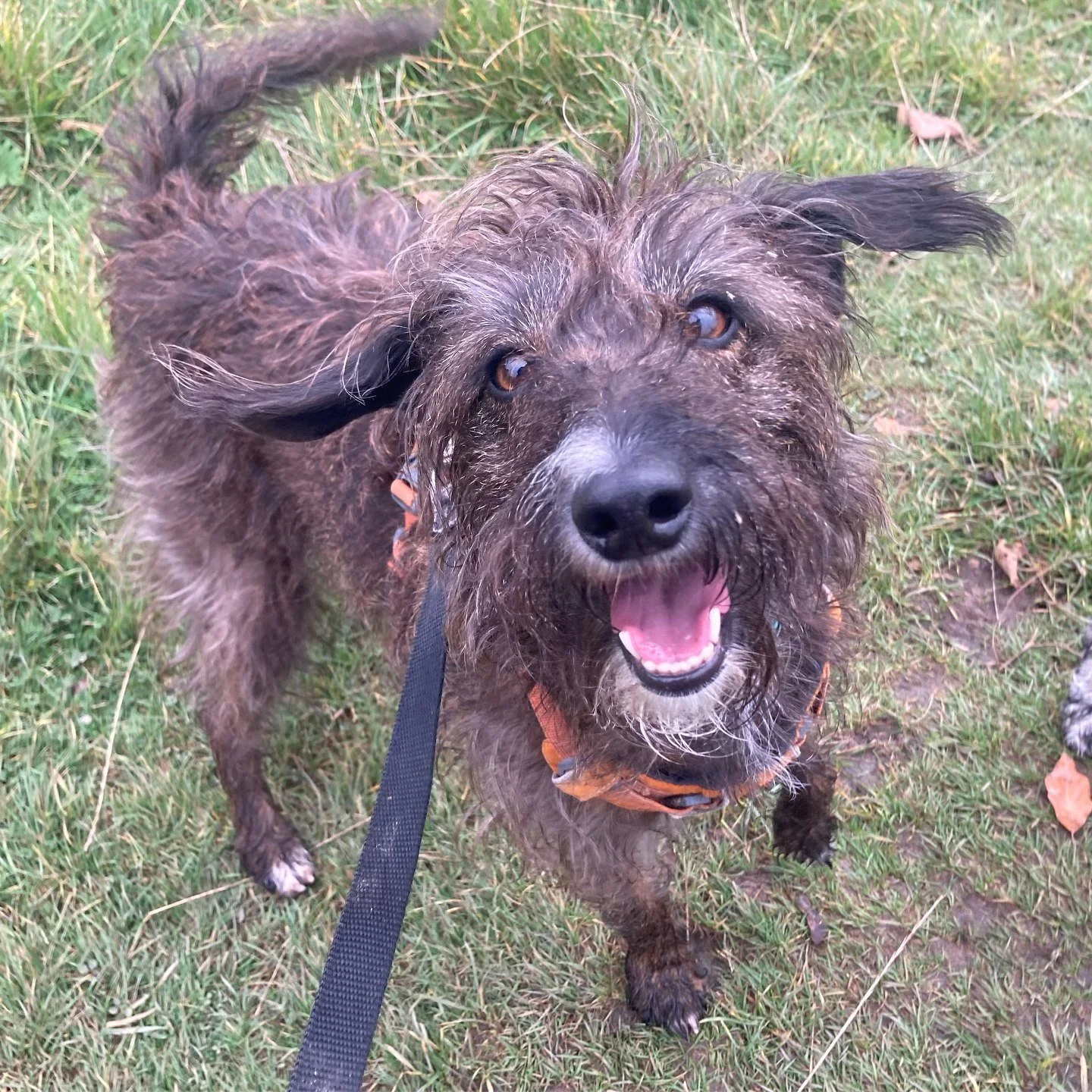
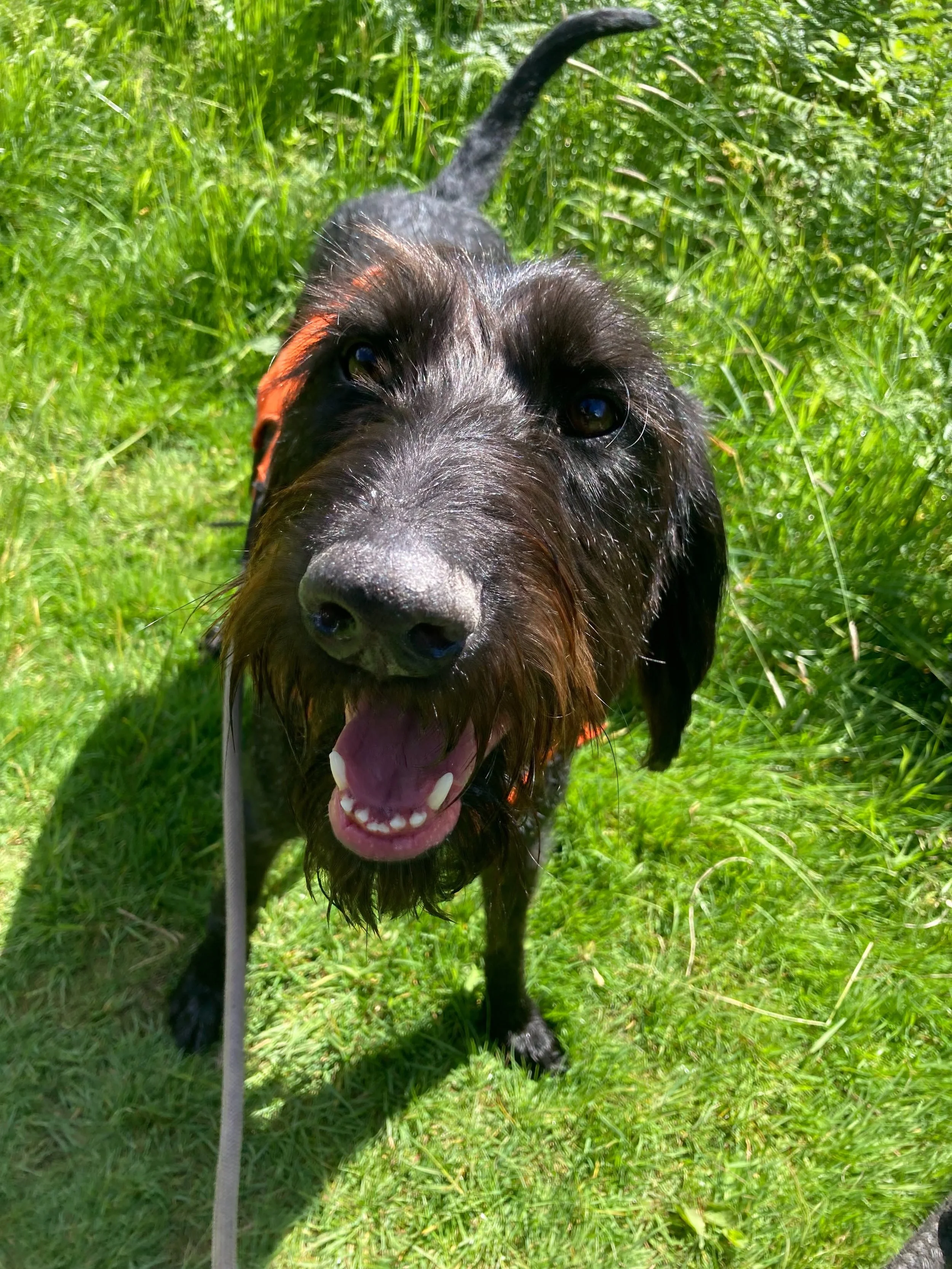
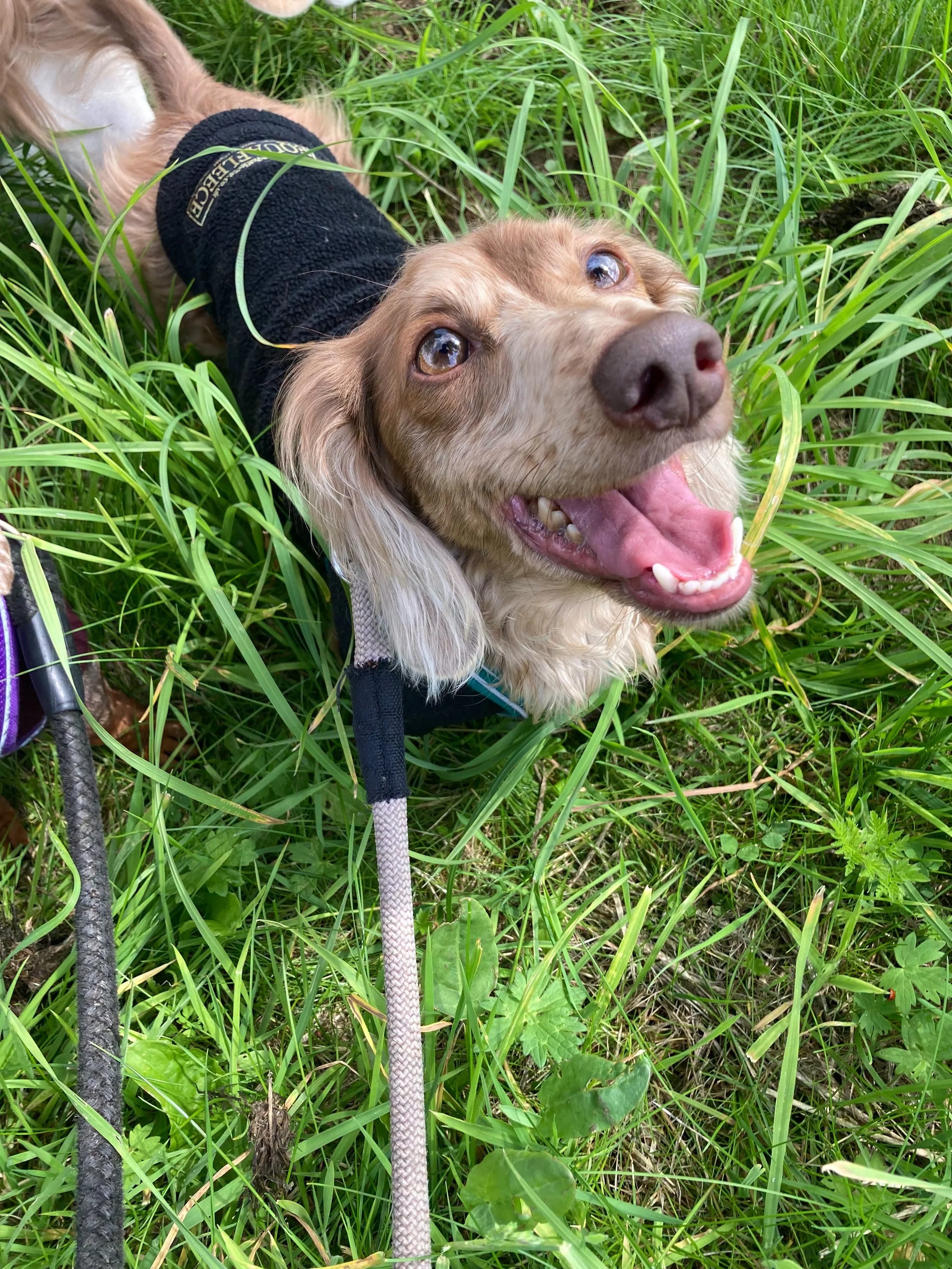
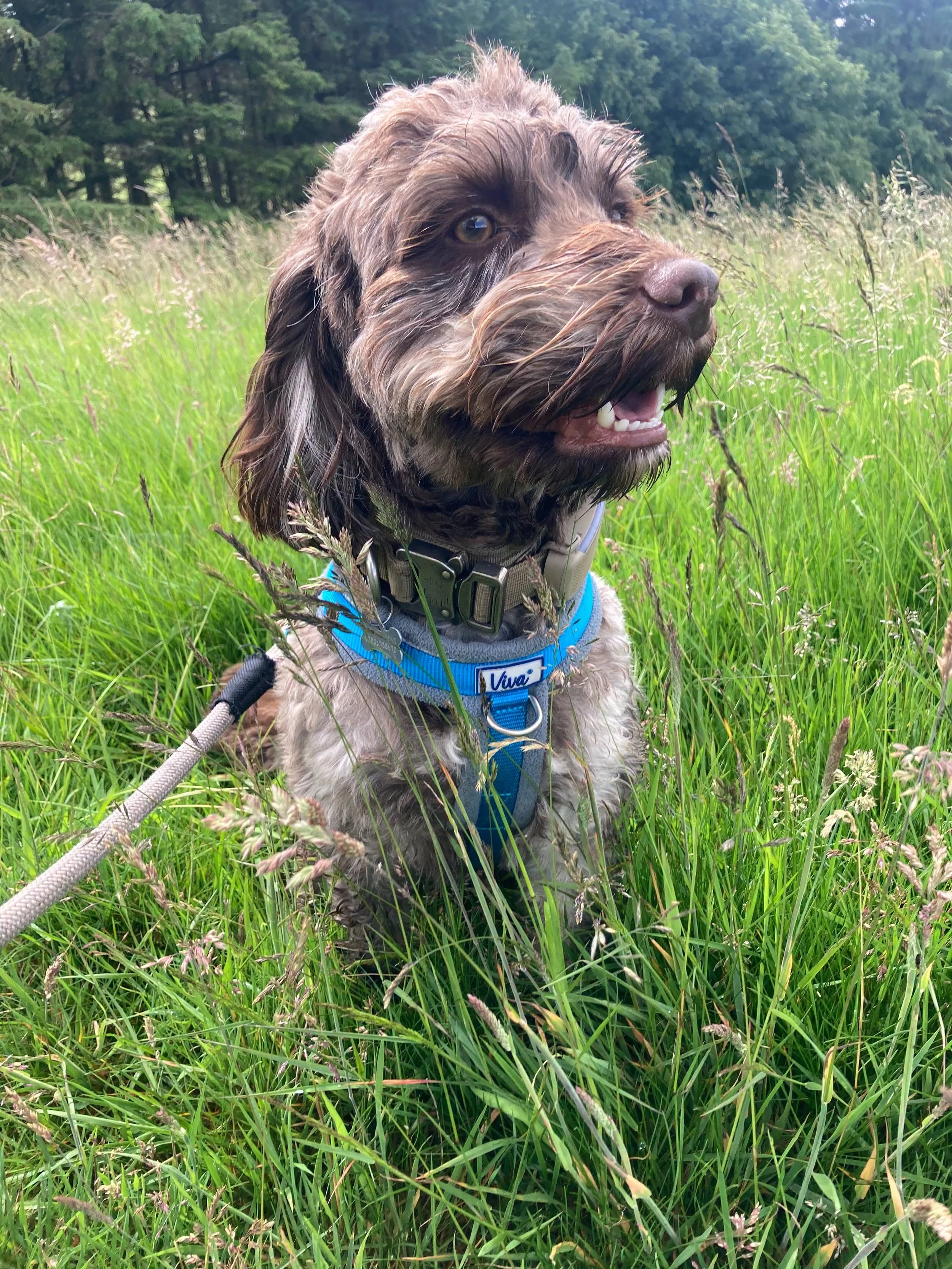
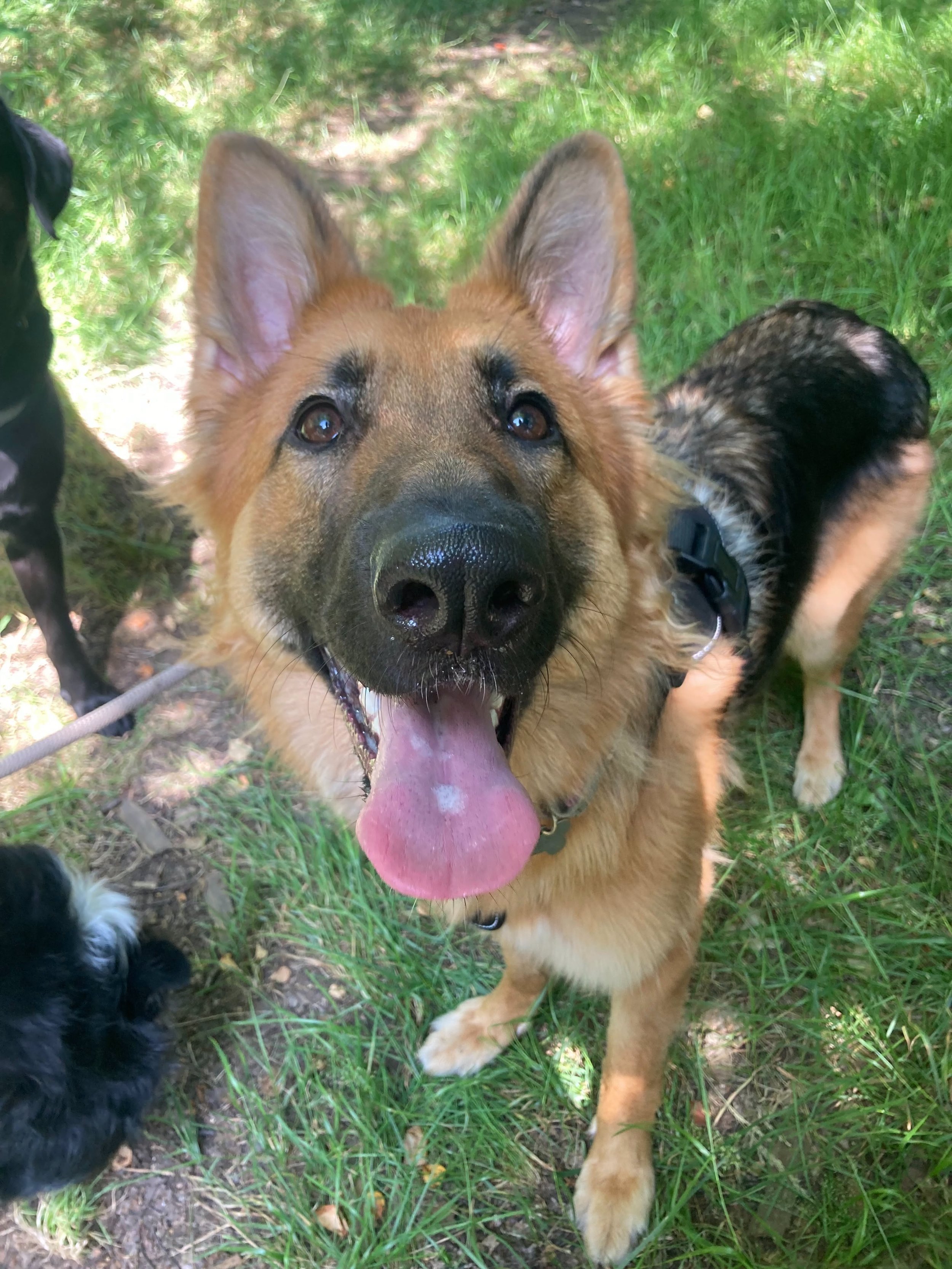
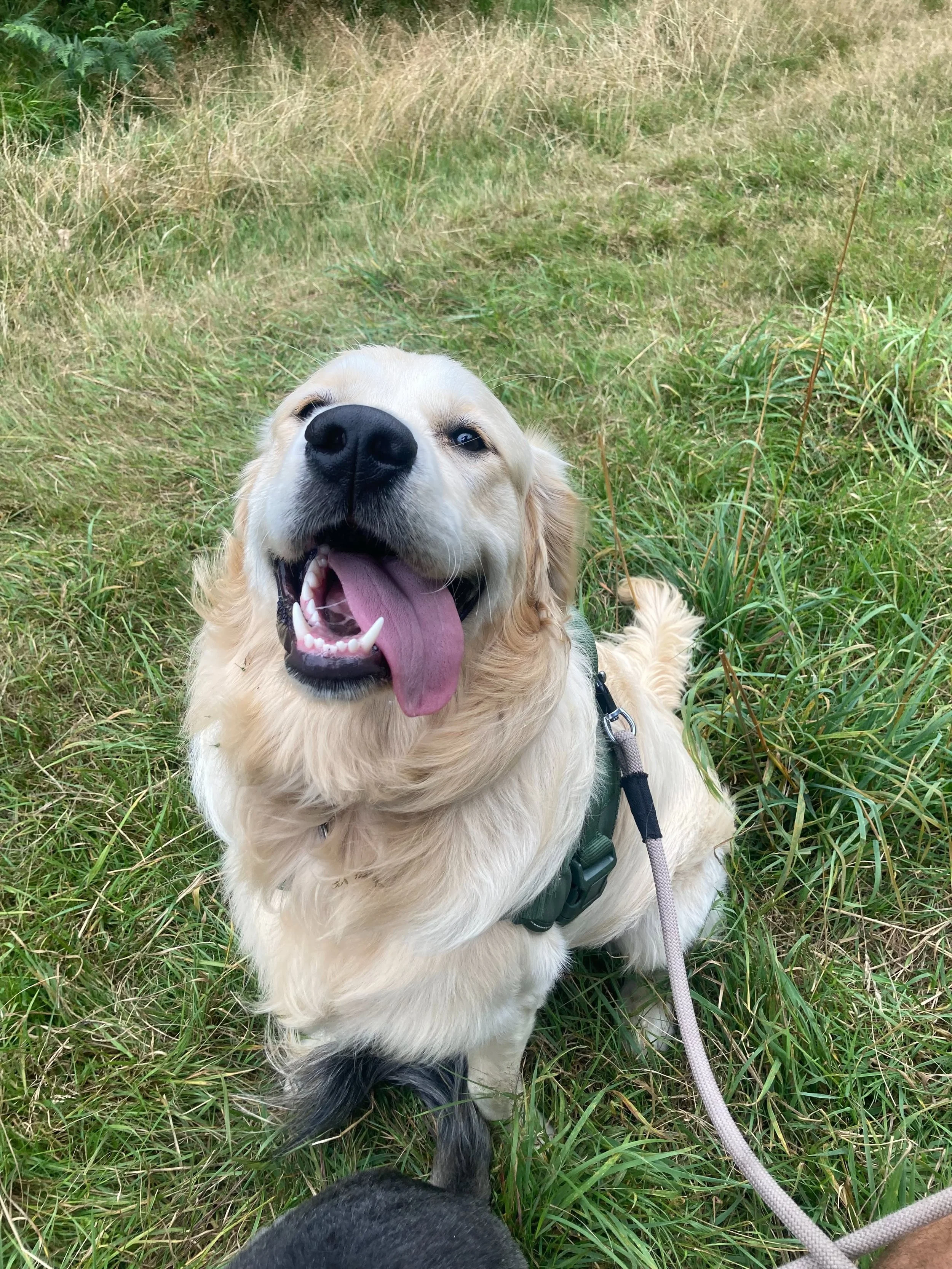
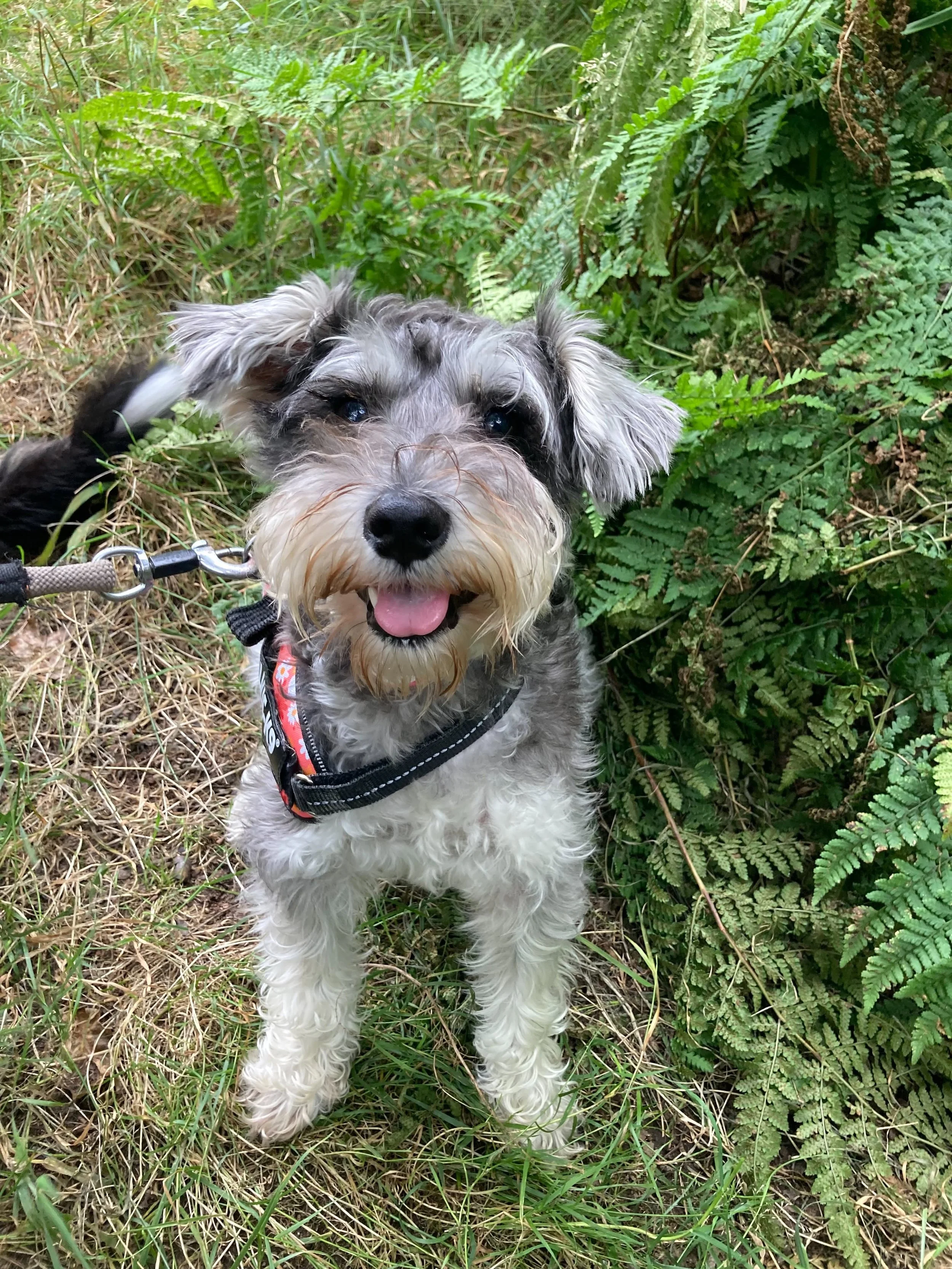
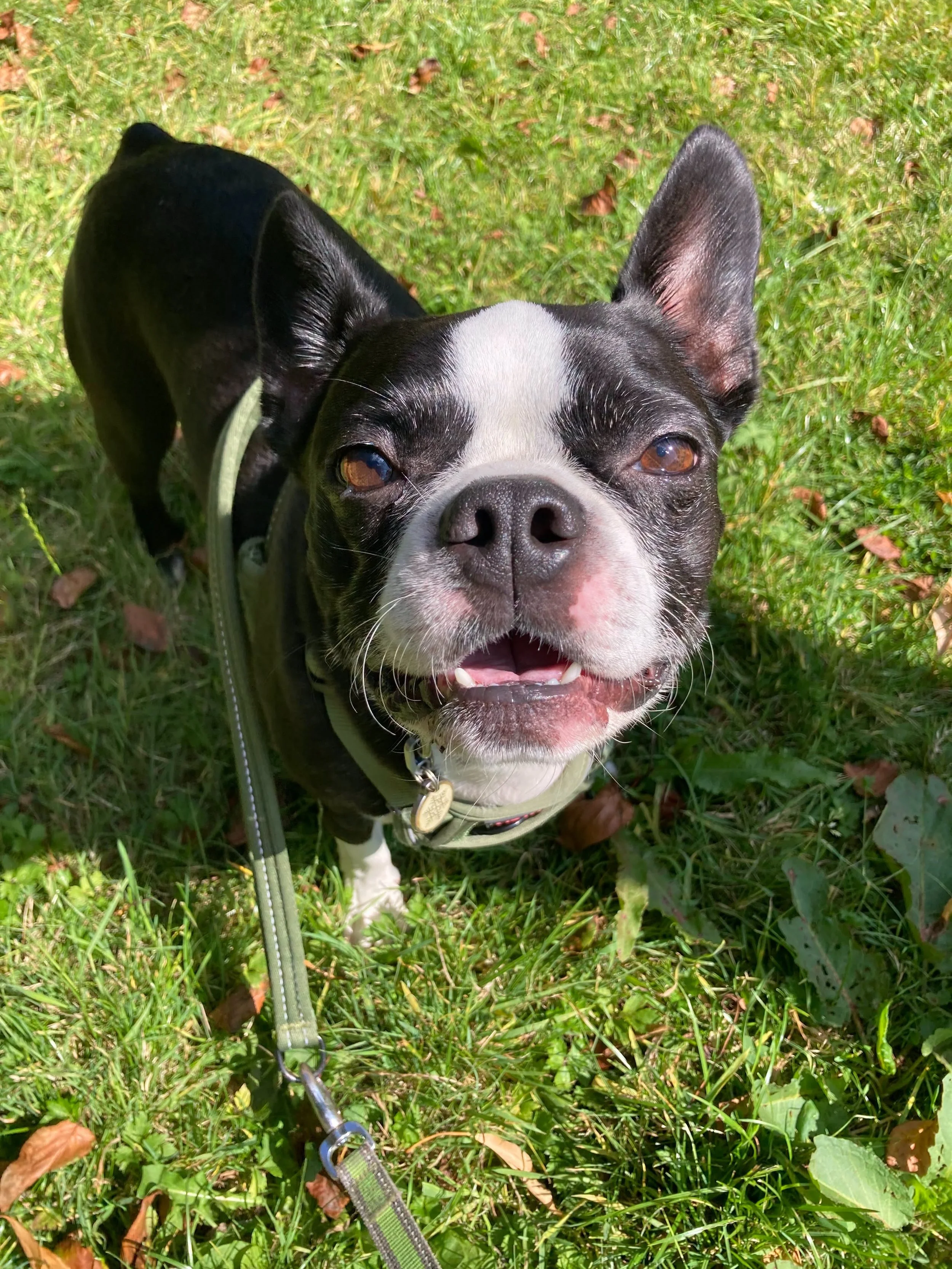
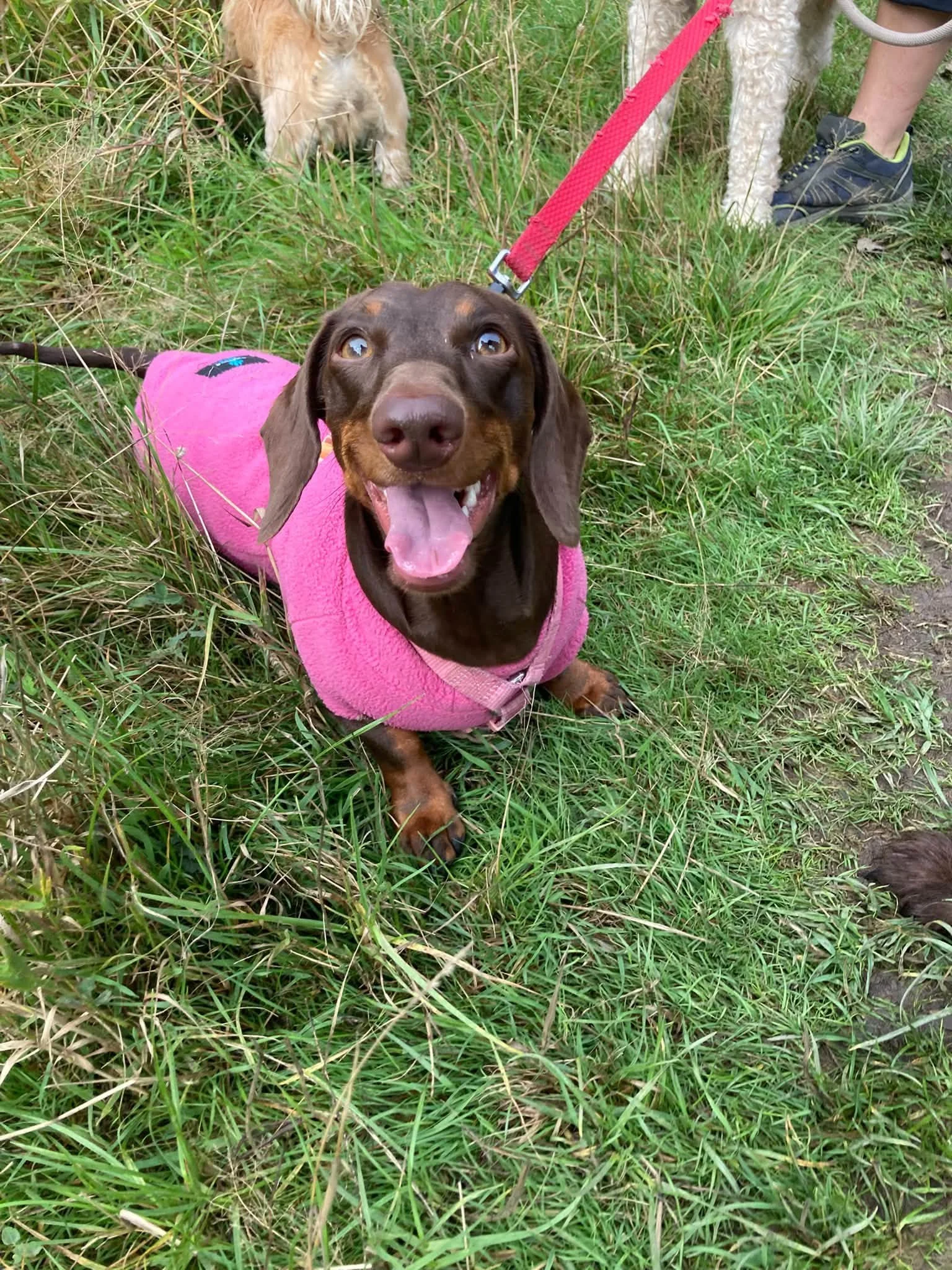
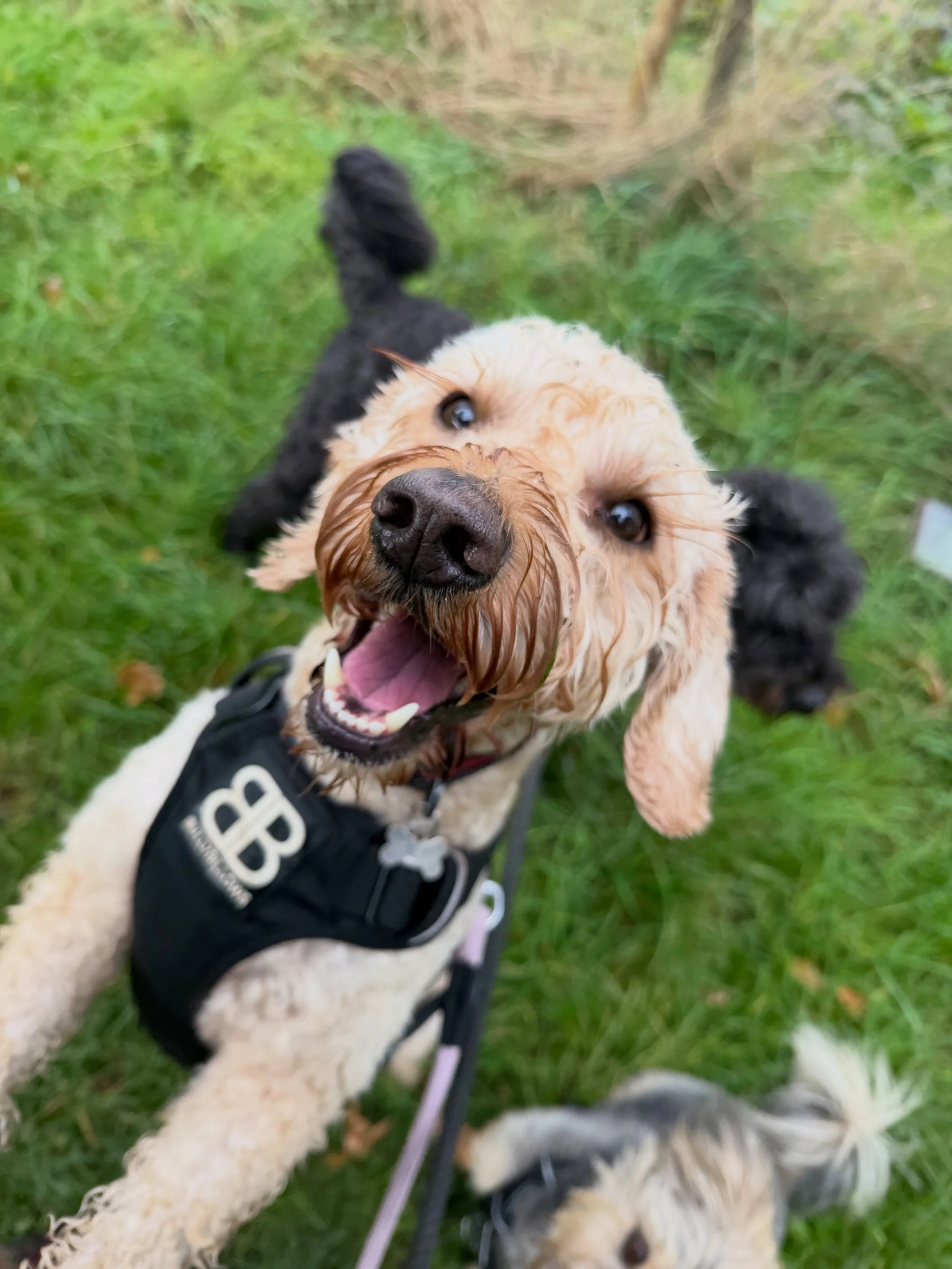
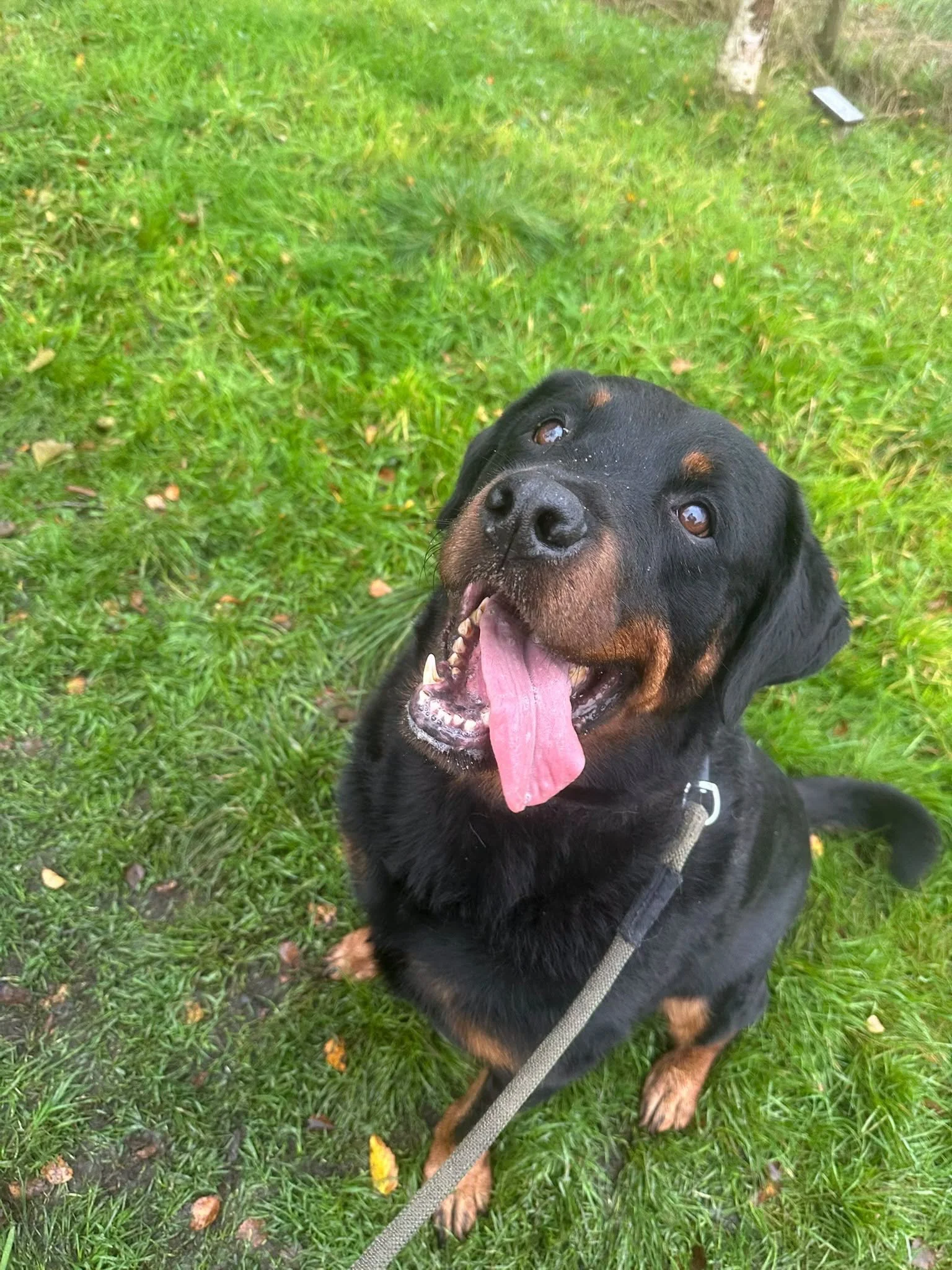
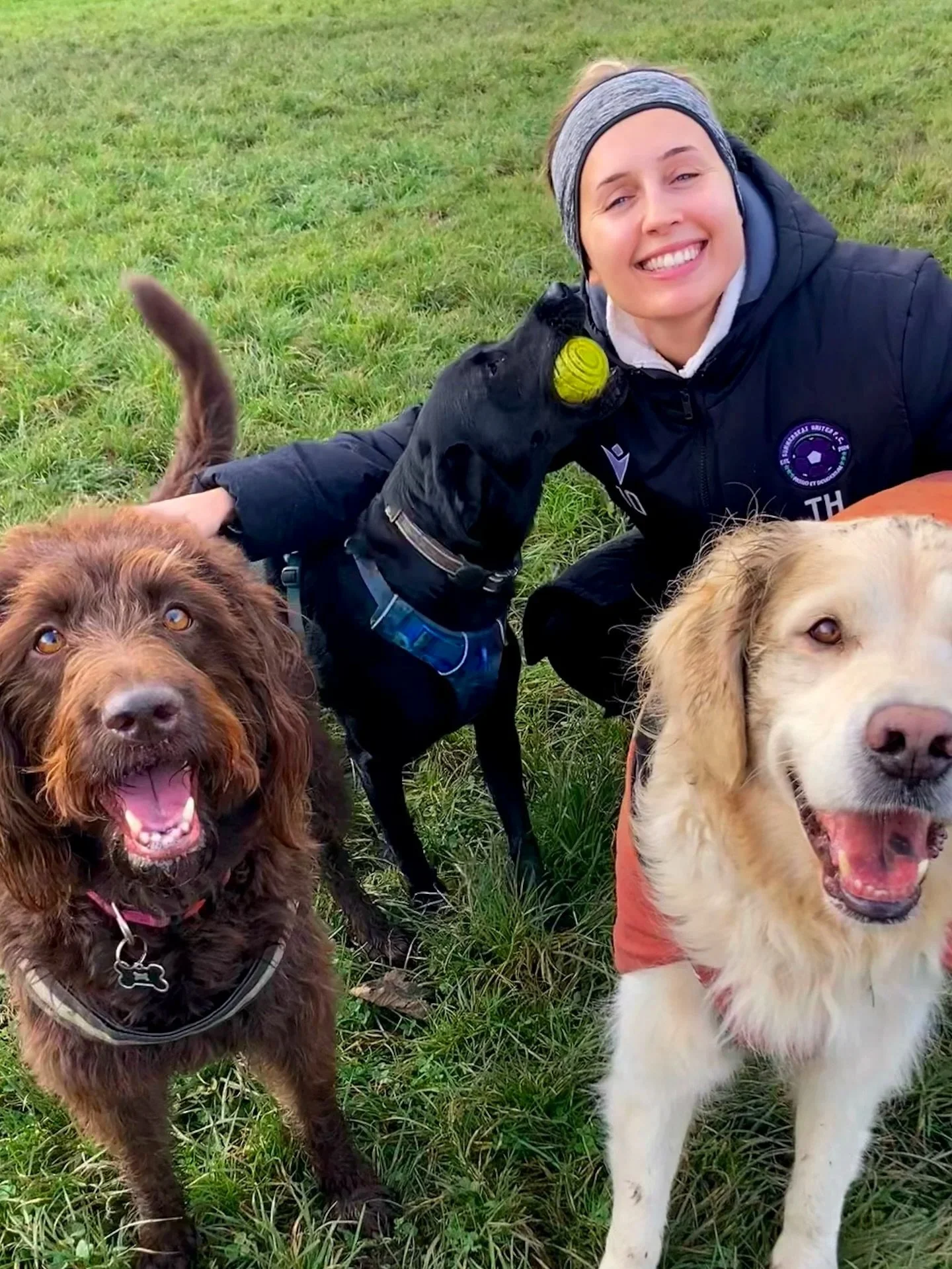
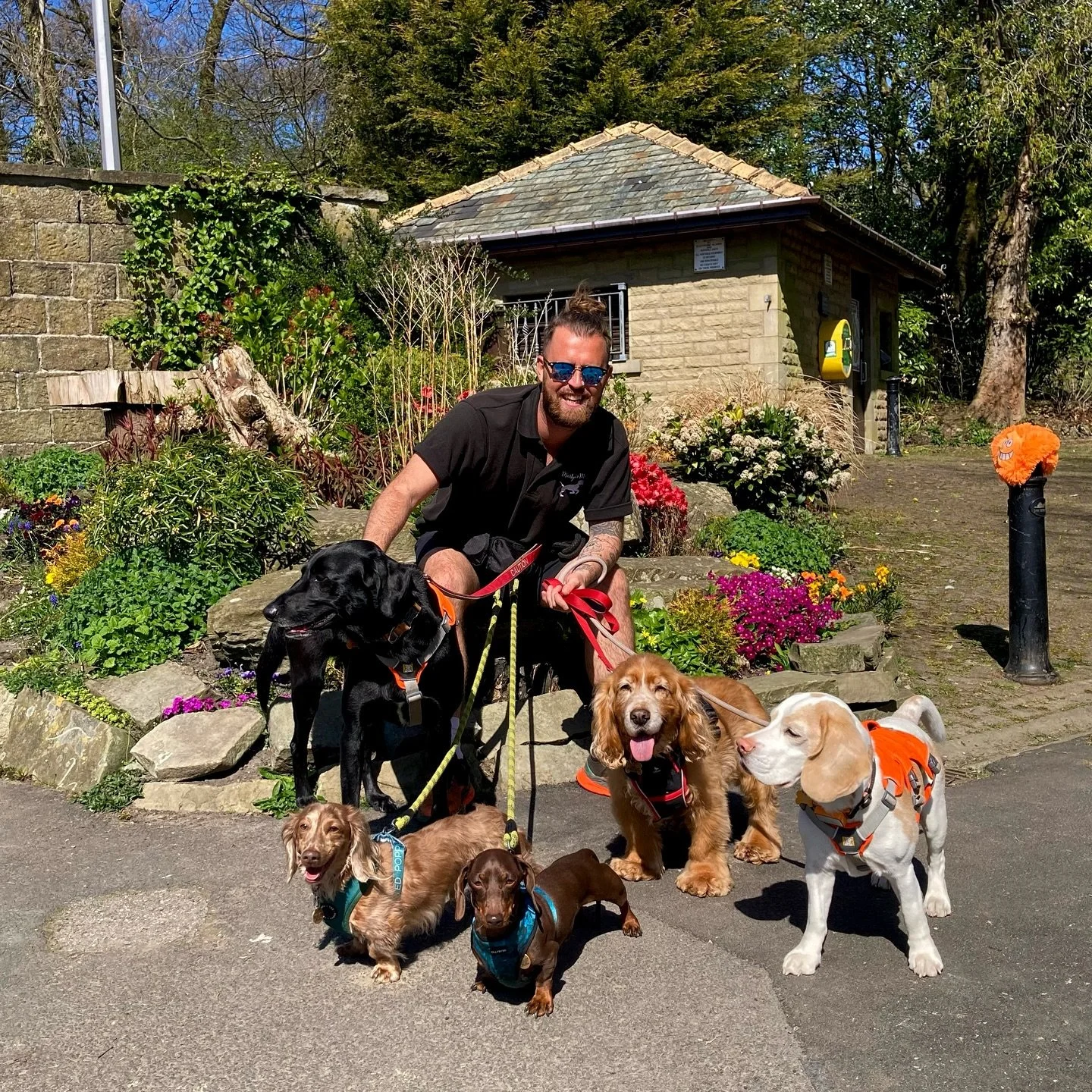
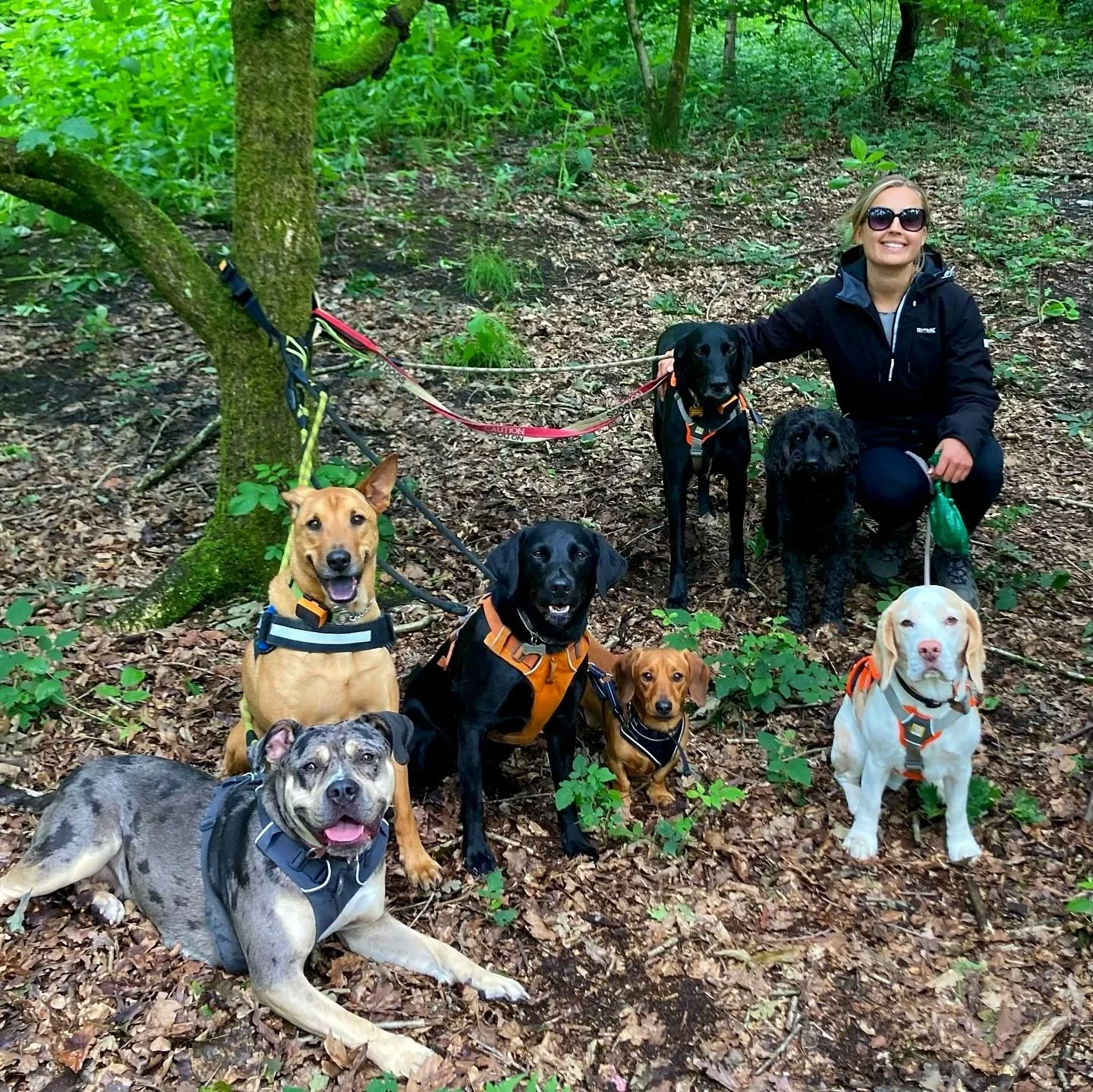
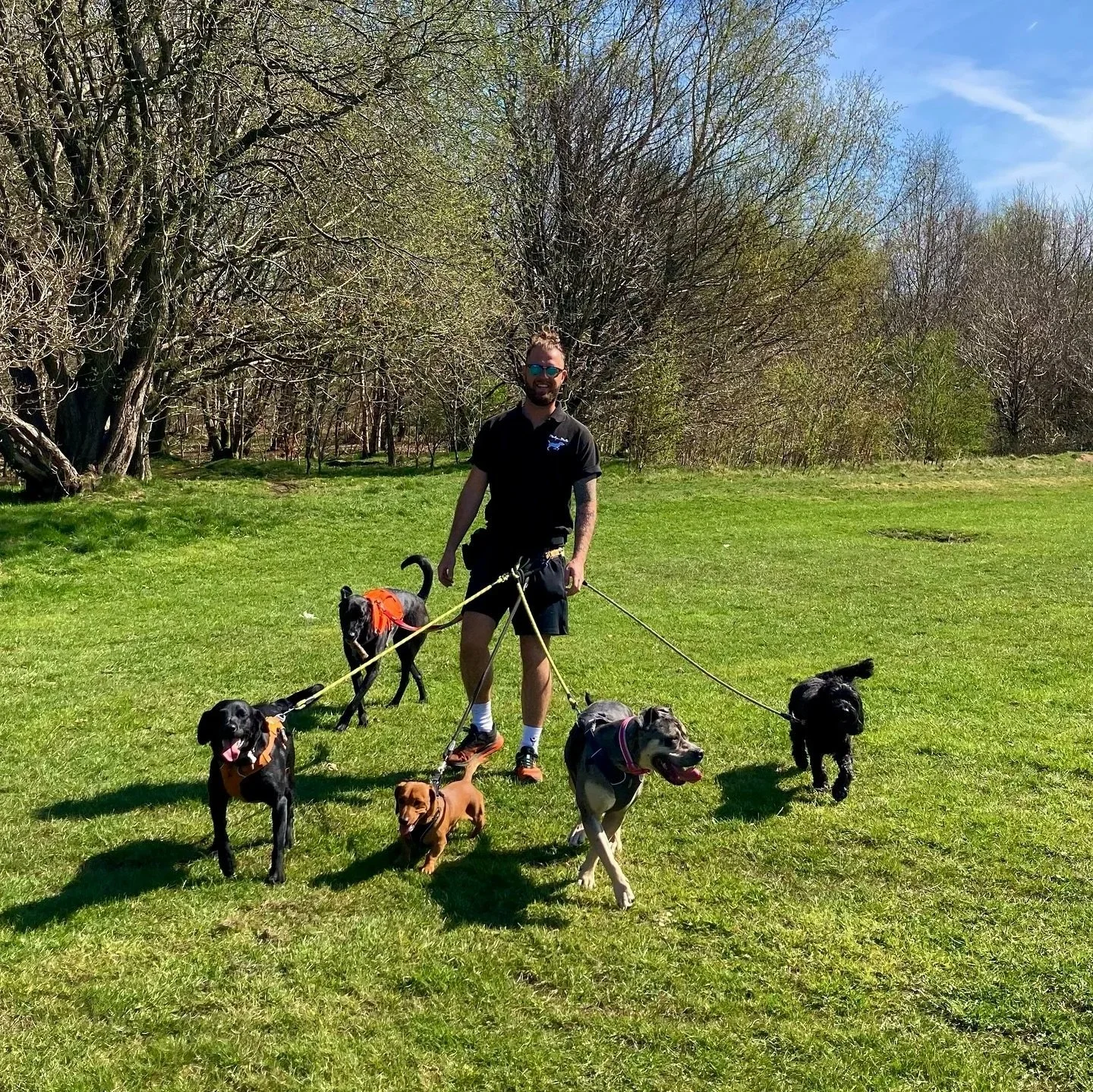
Every dog bringing our website to life is one we’ve had the pleasure of personally working with through our services. Some have been with us since the very beginning, whilst others are just starting their journey. We’re proud to have them helping tell our story.
The Martyn’s Mutts Pack