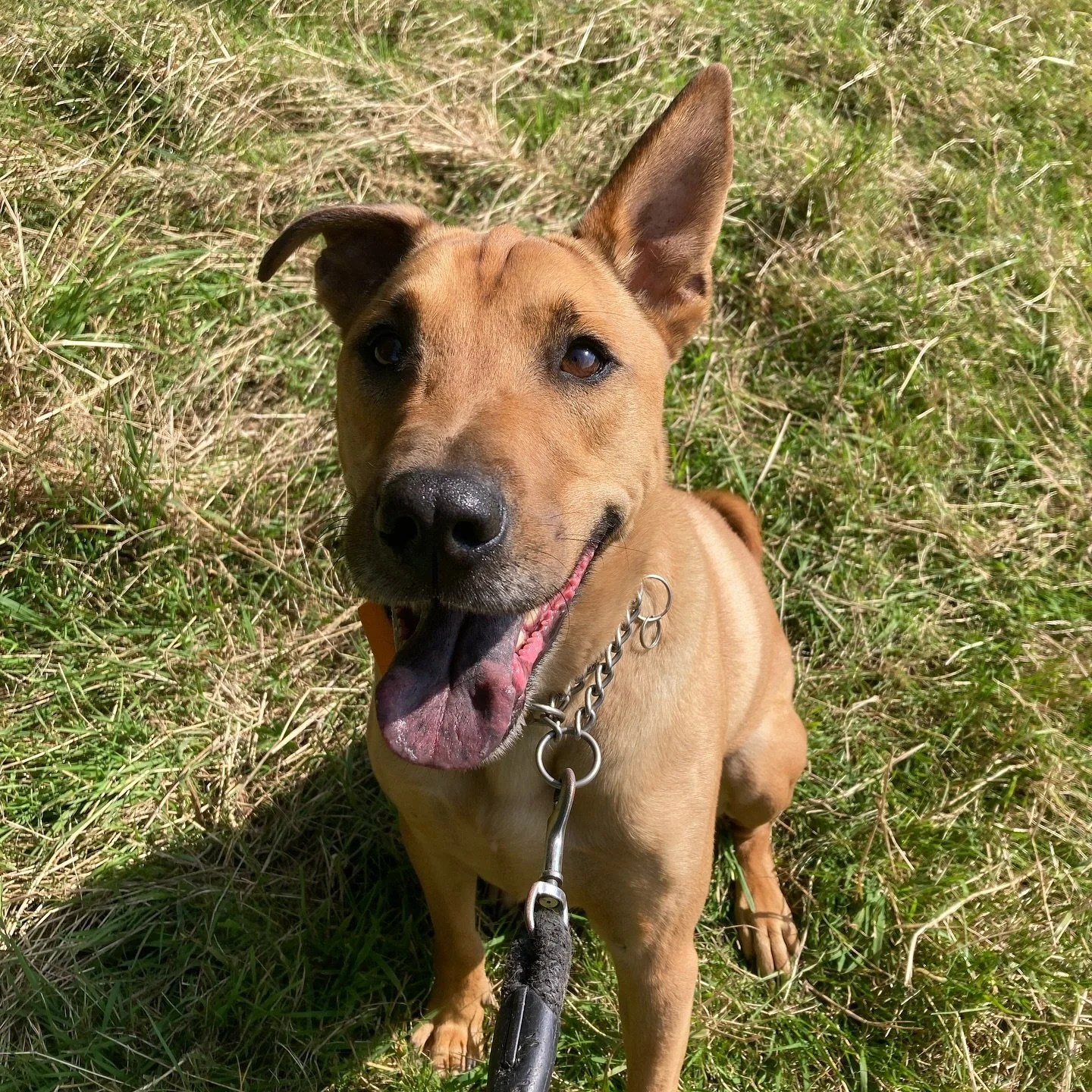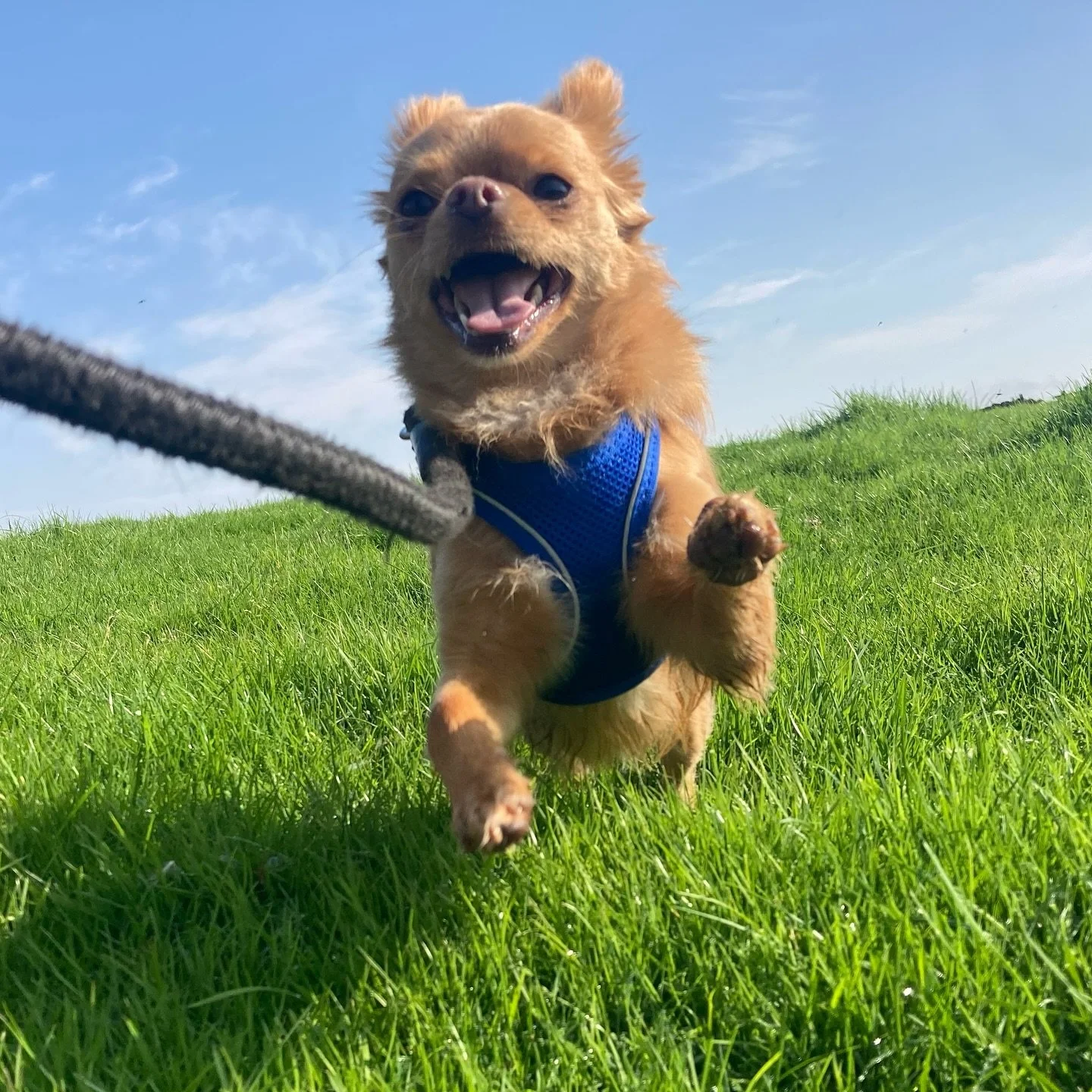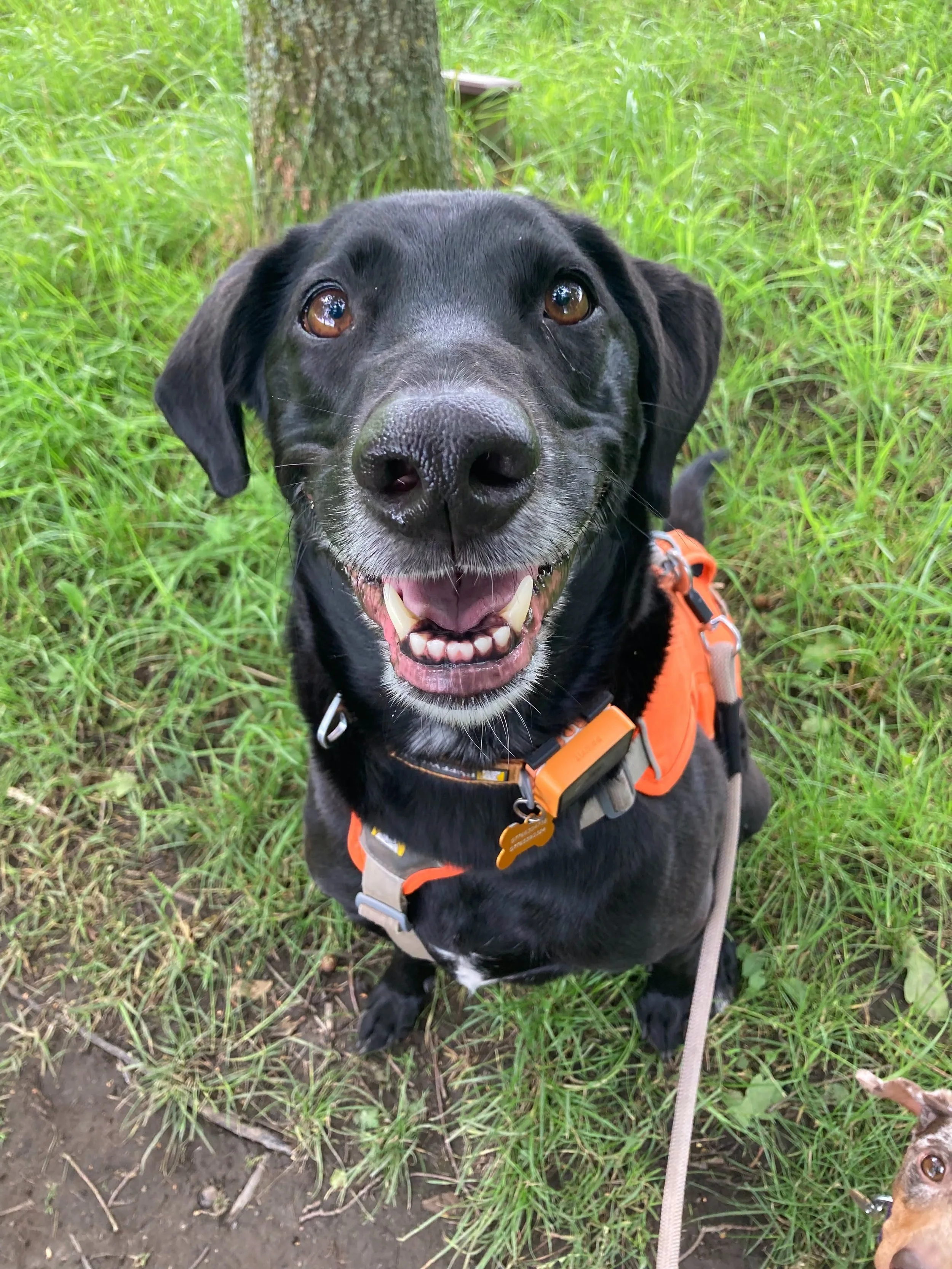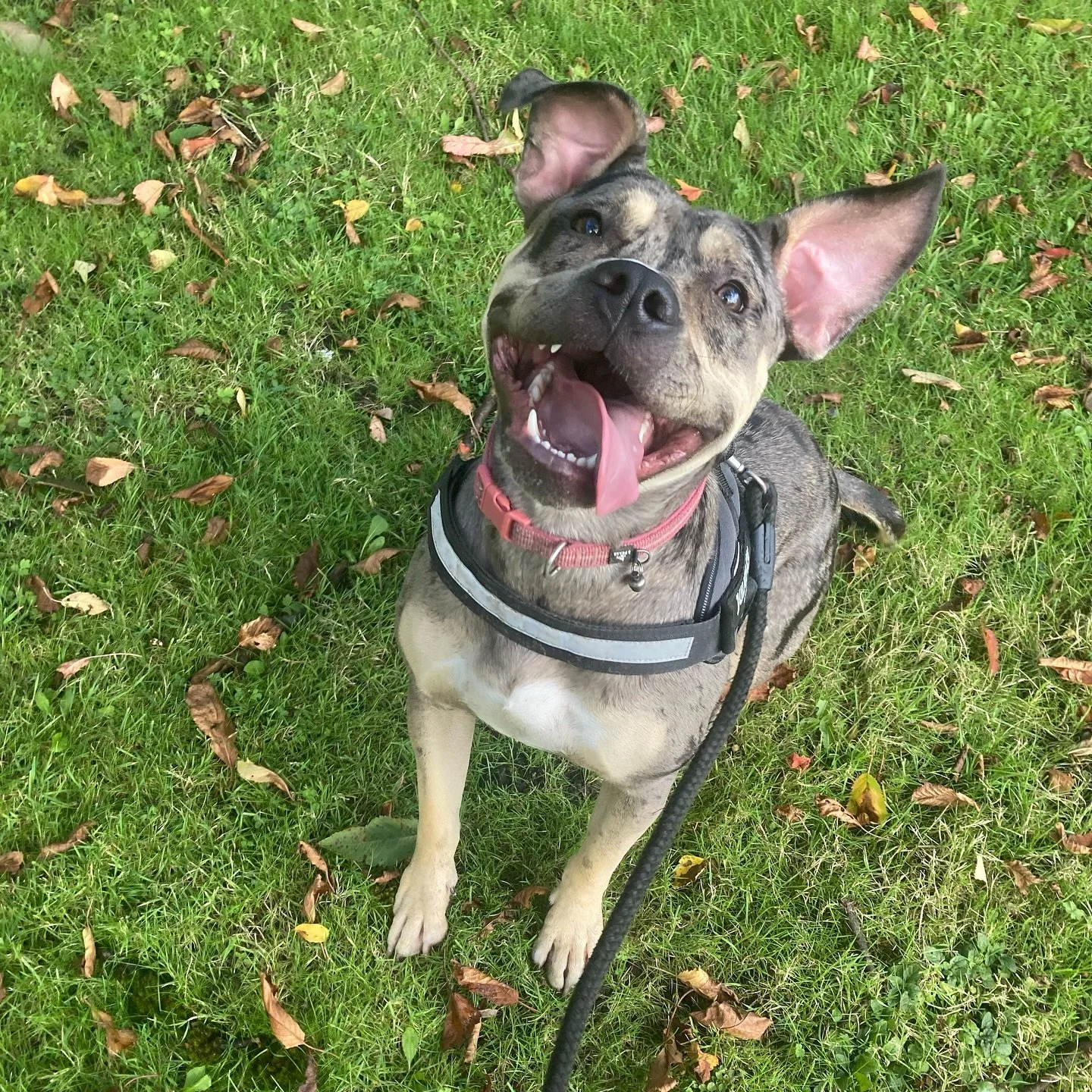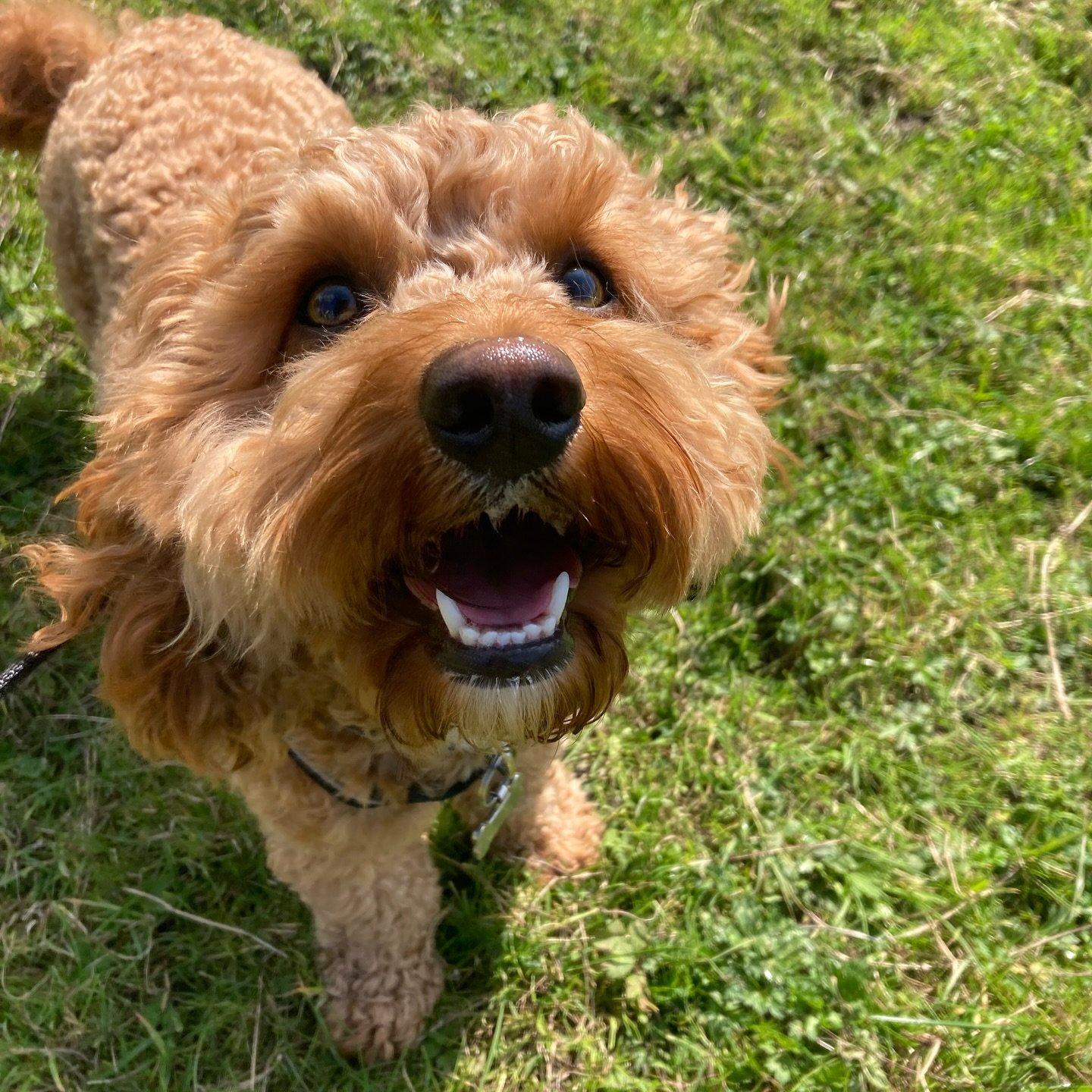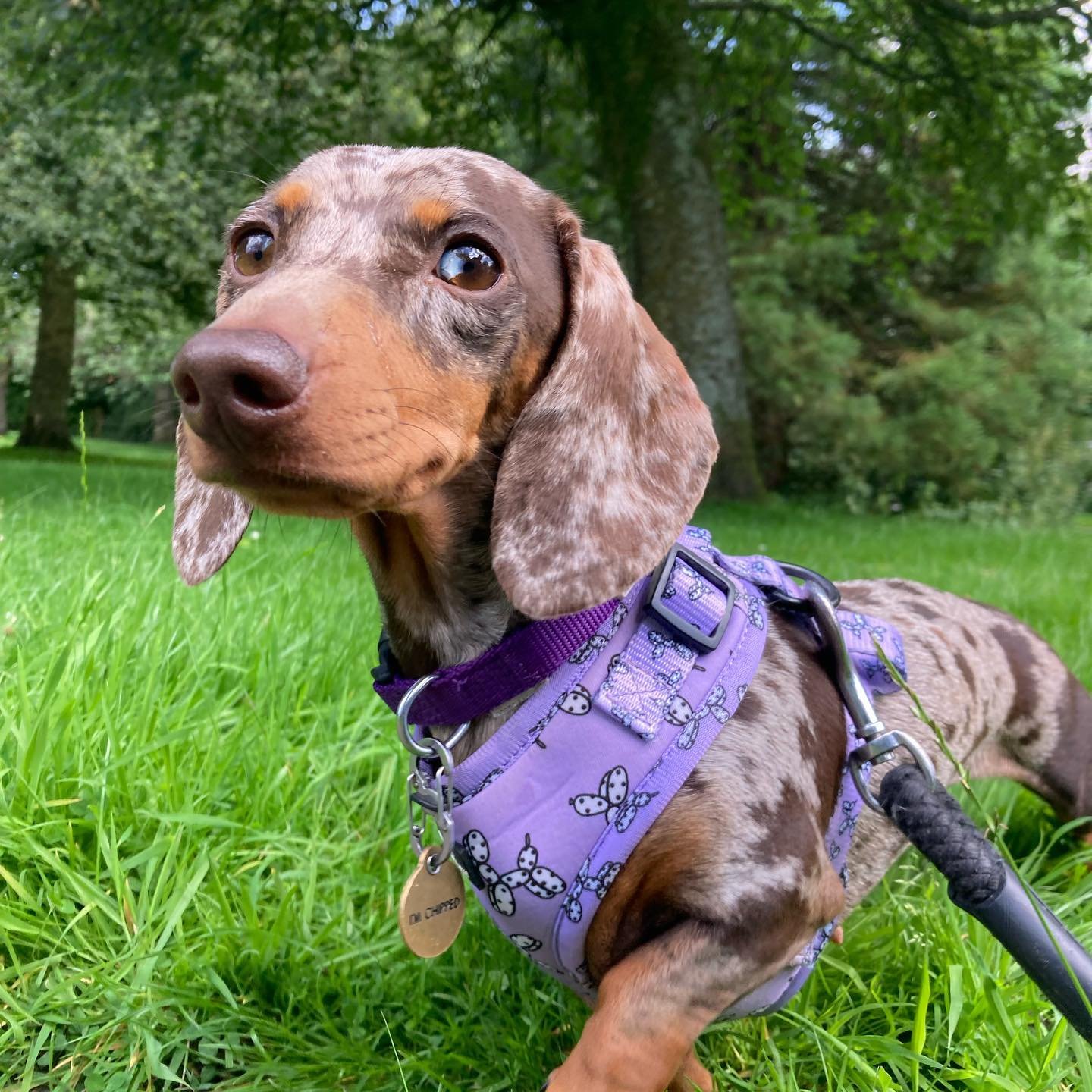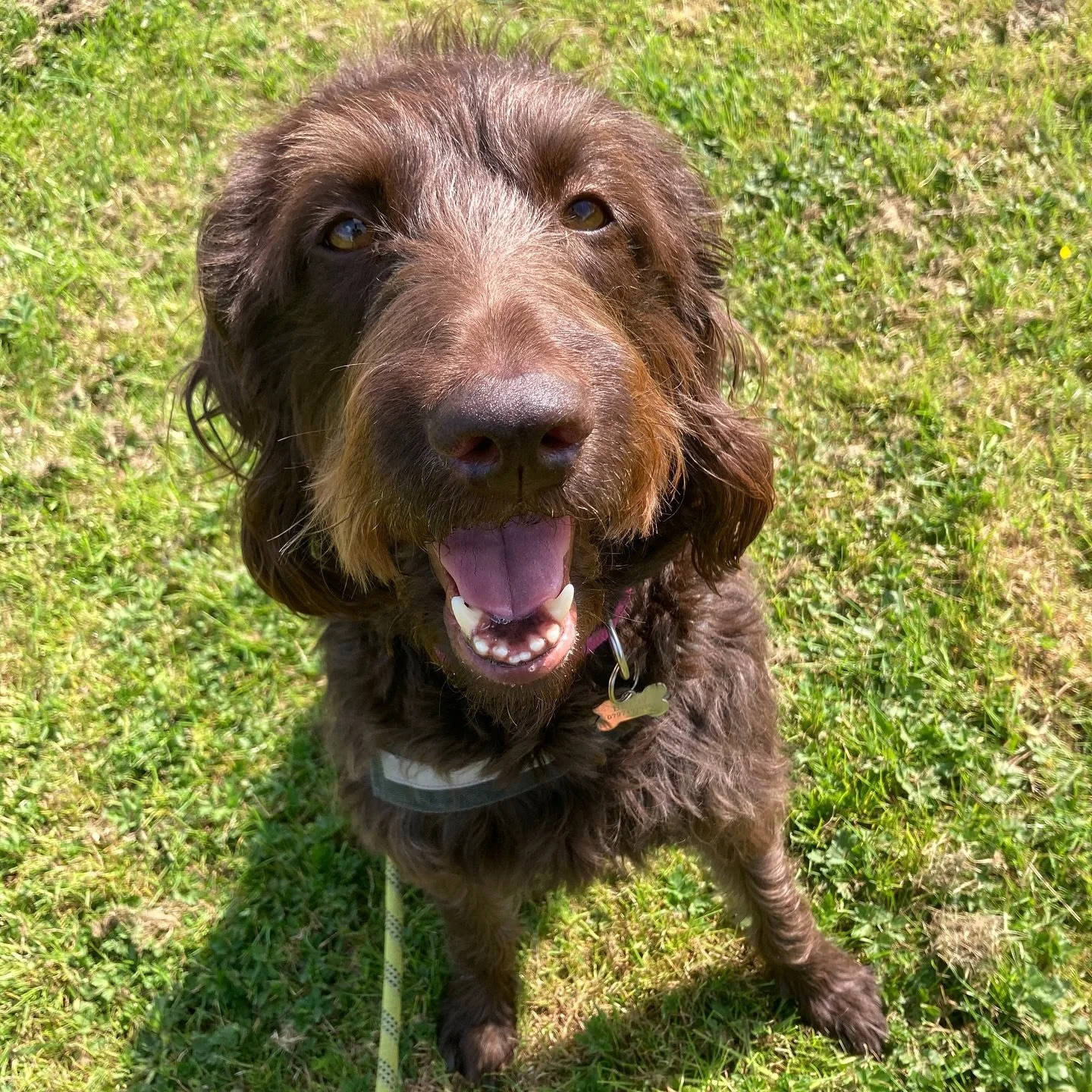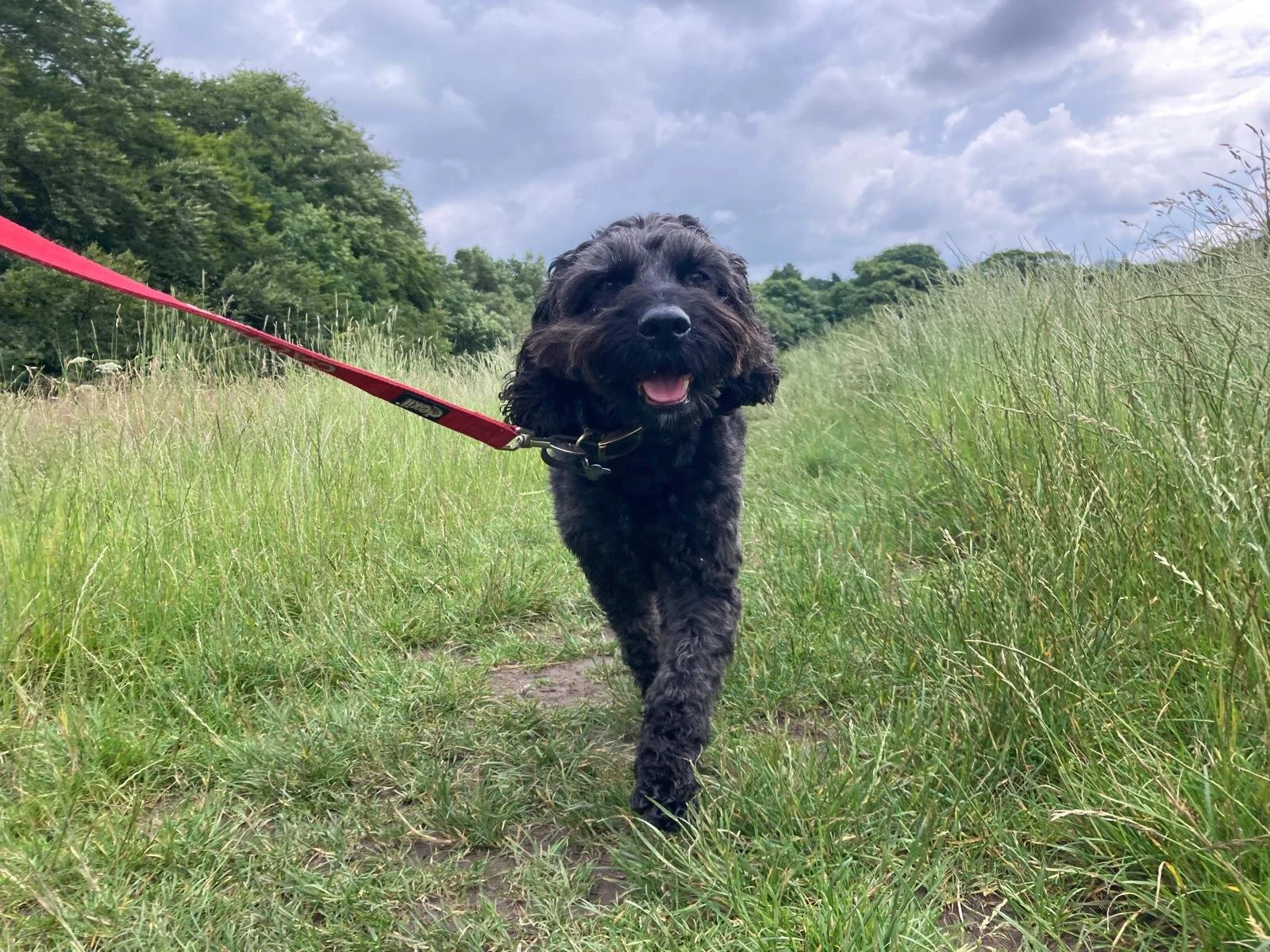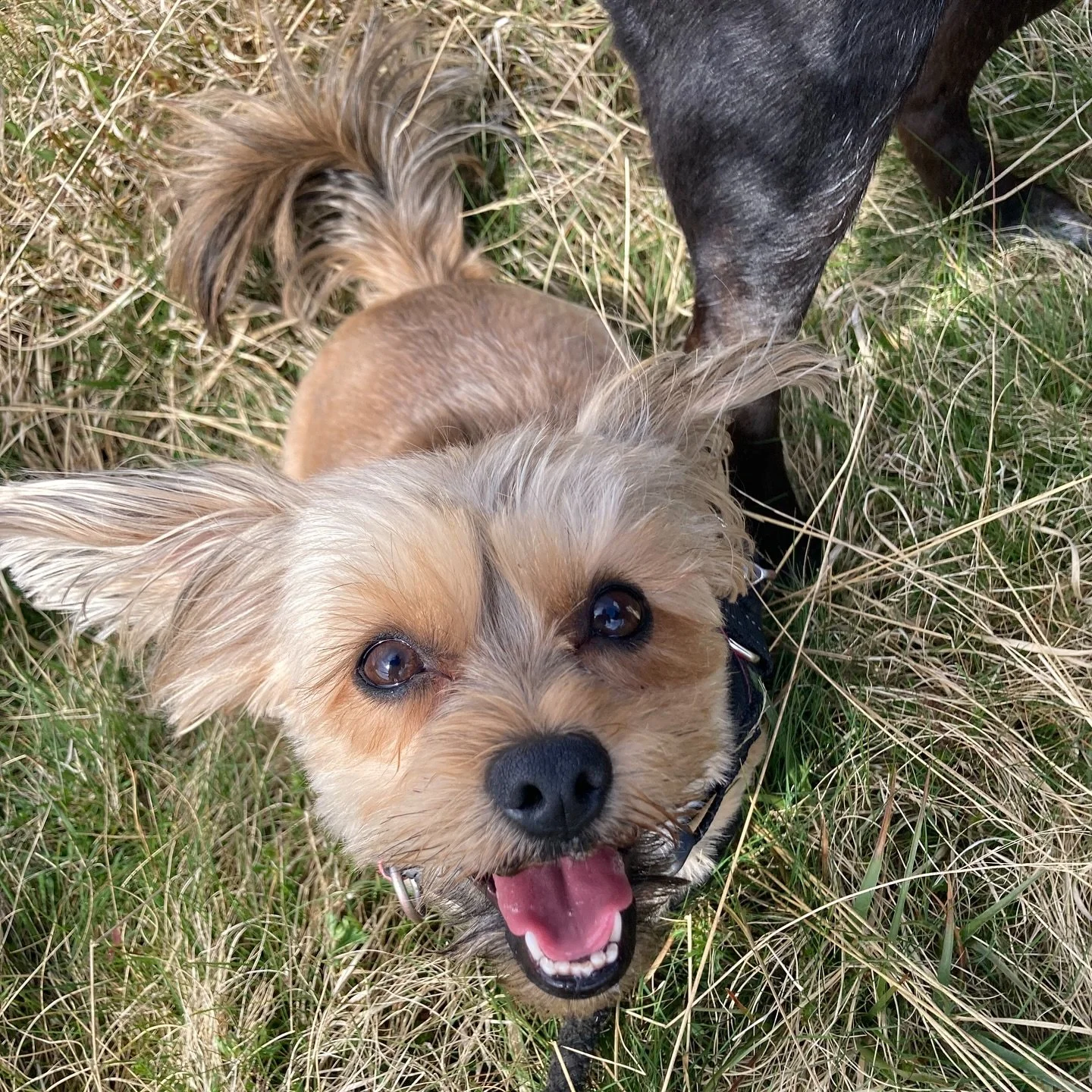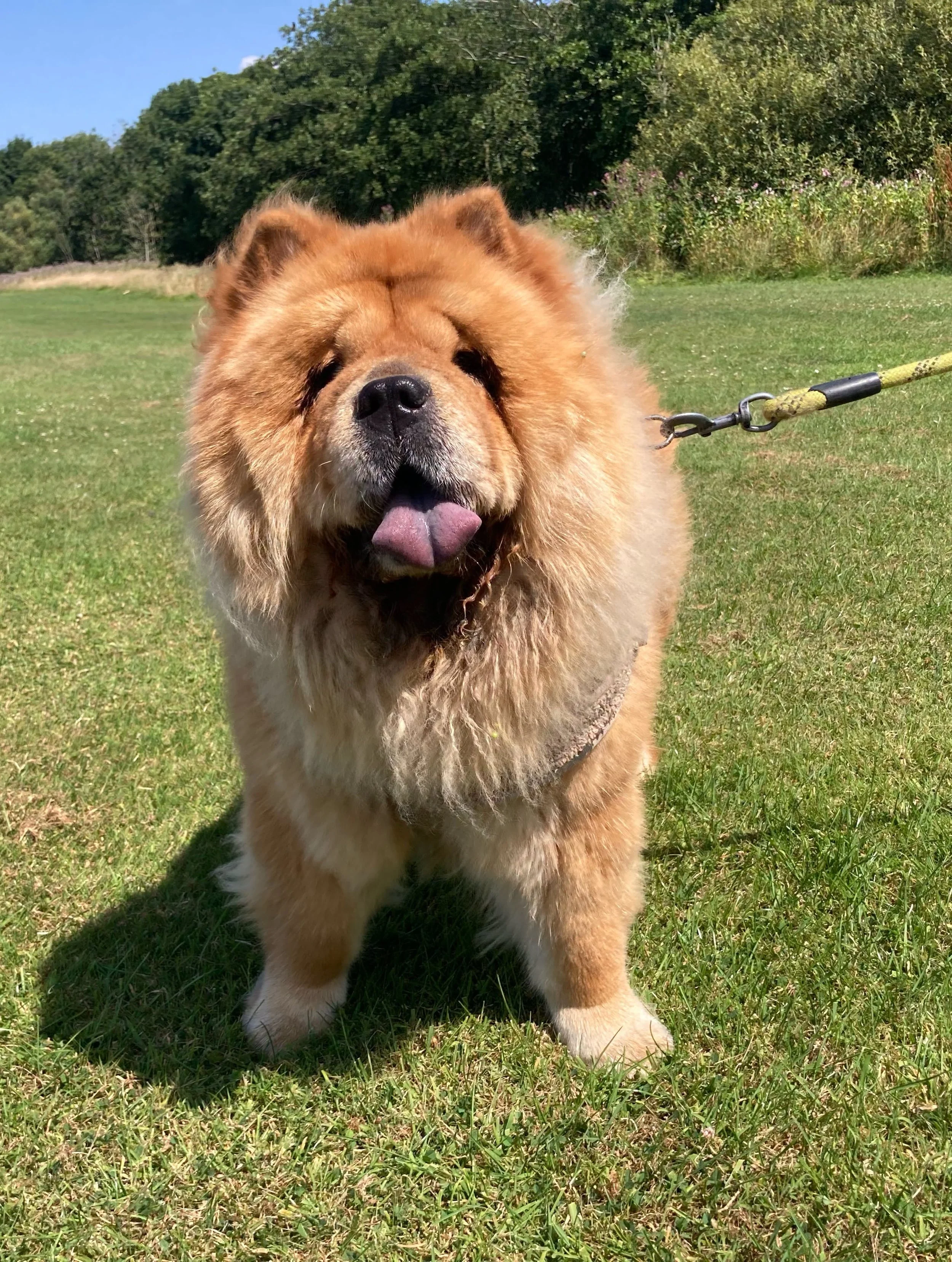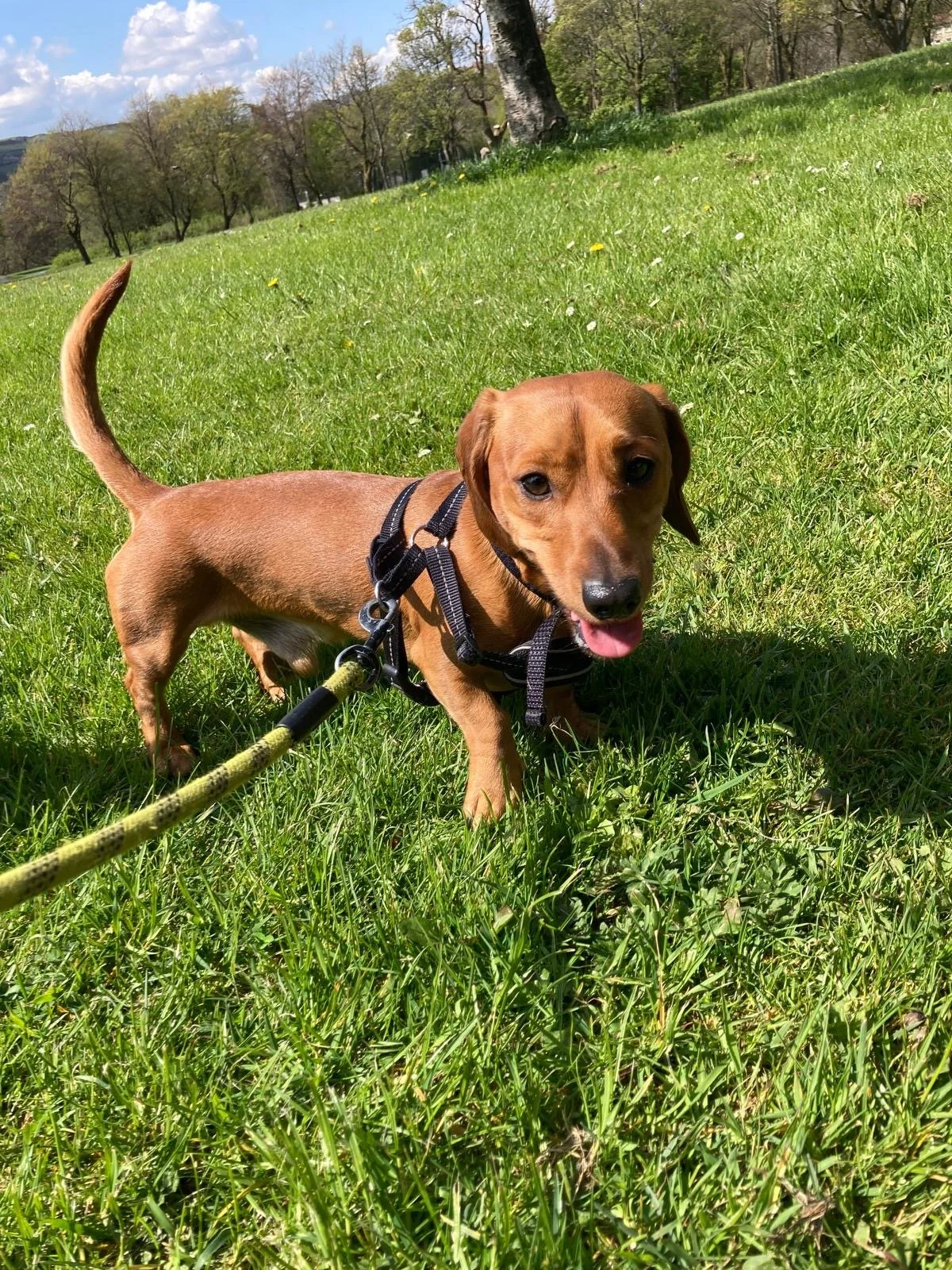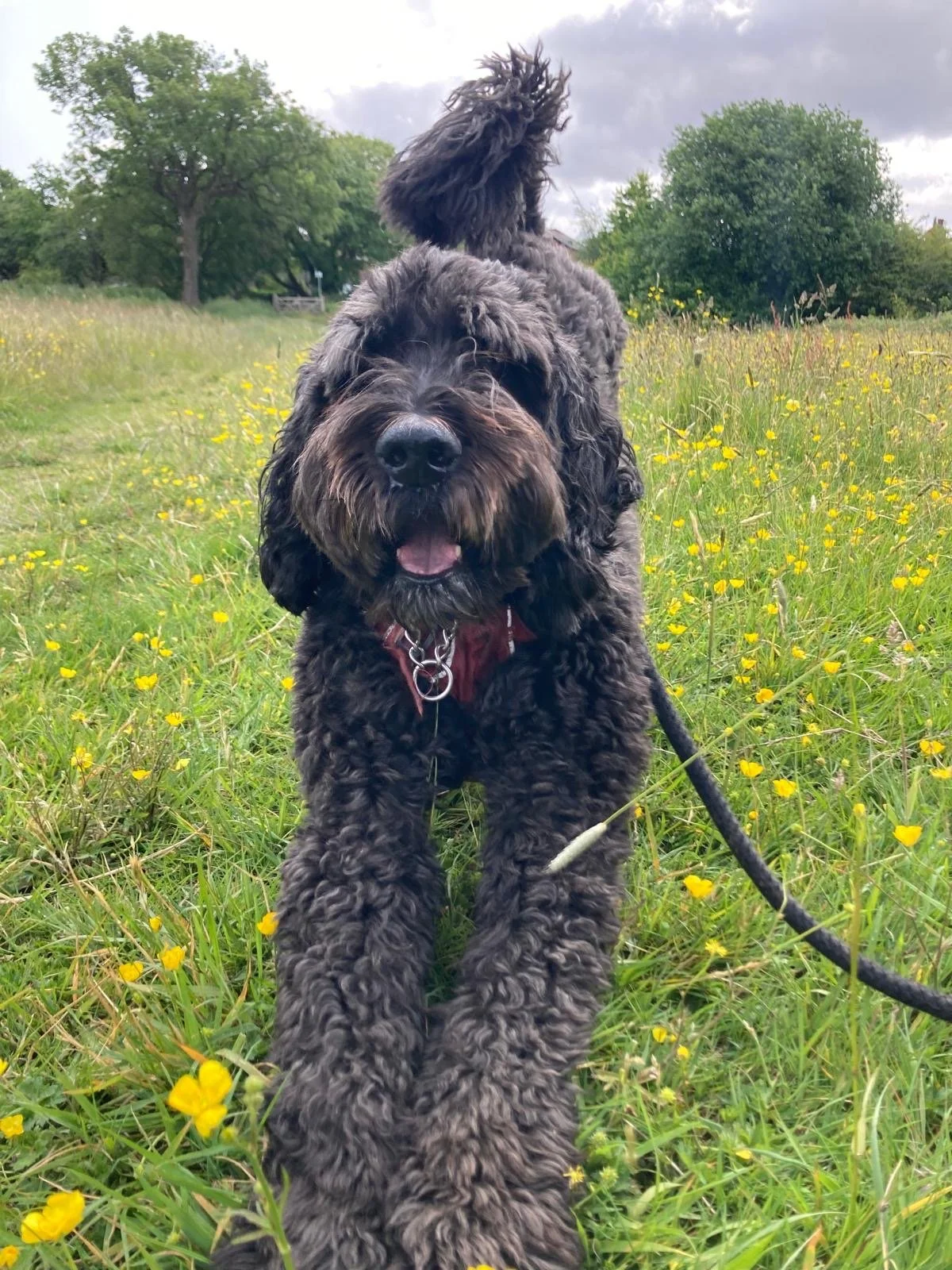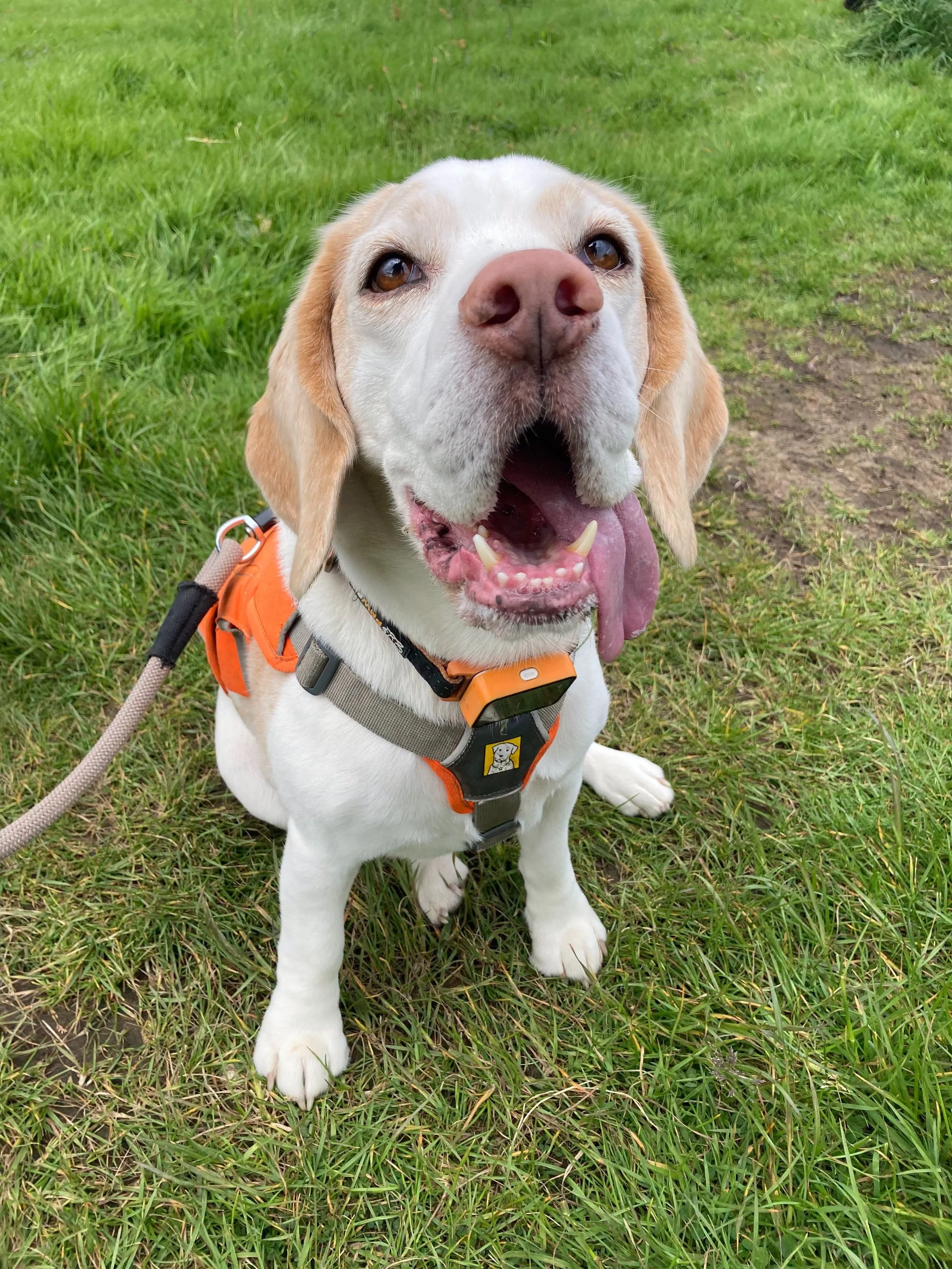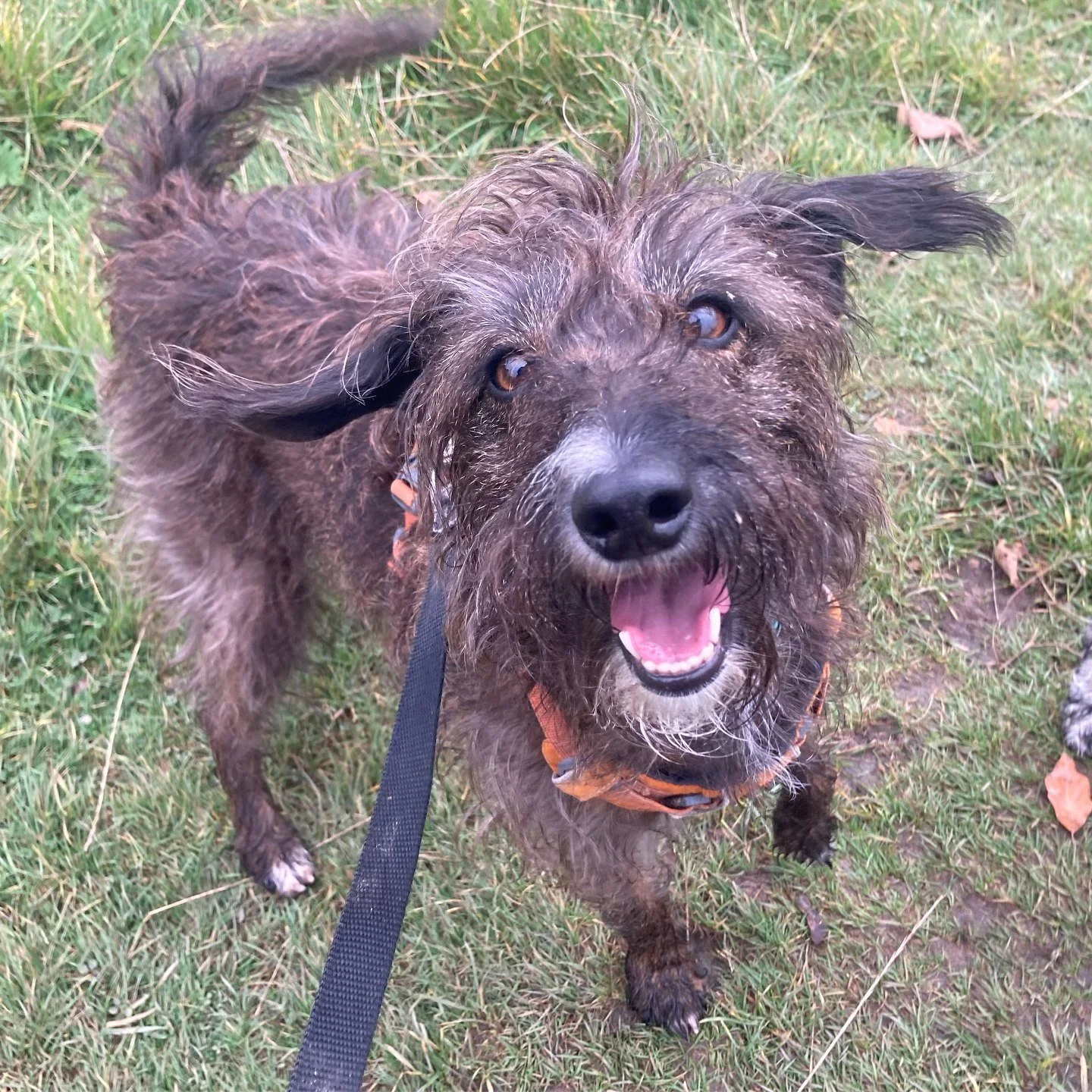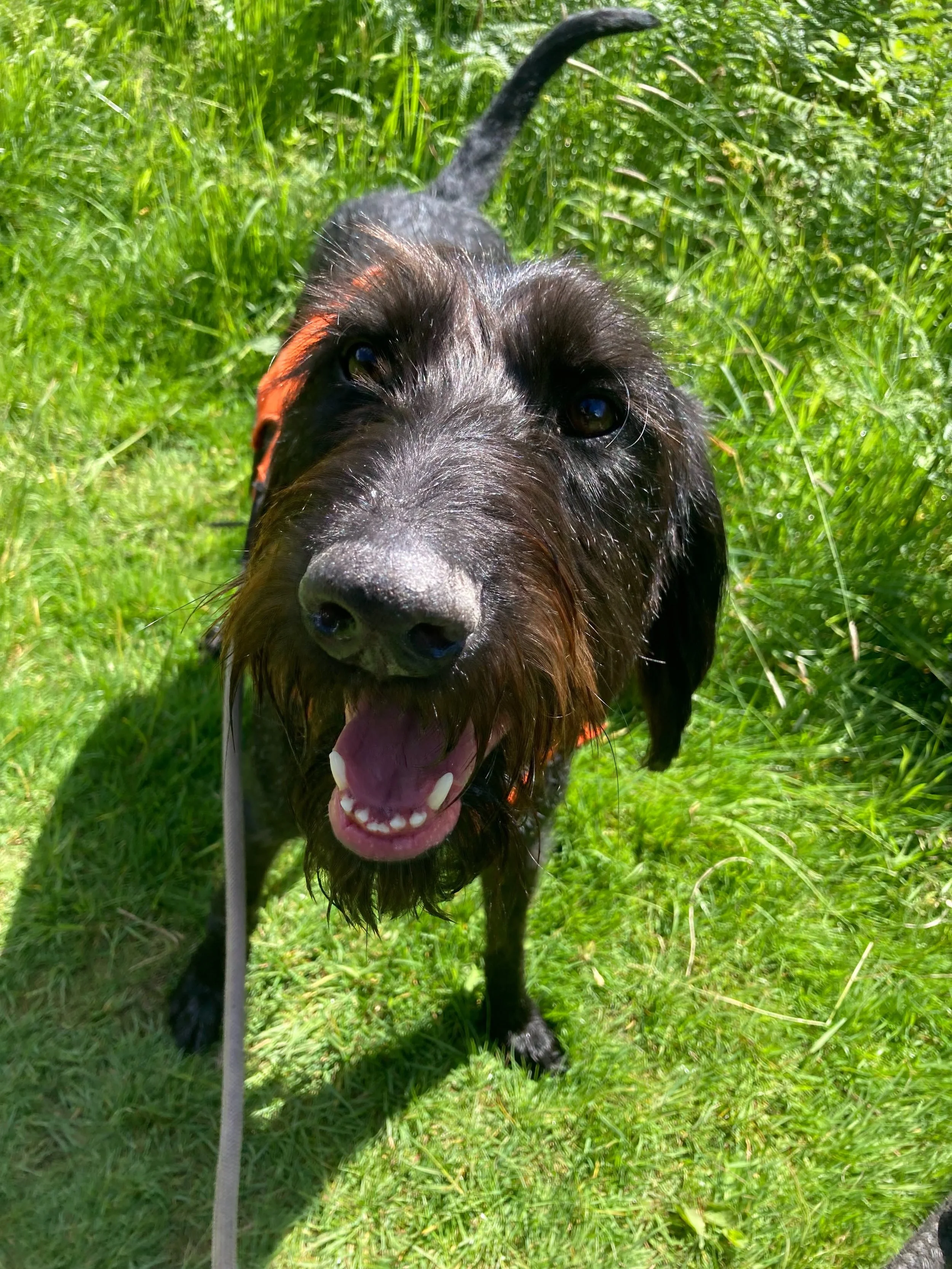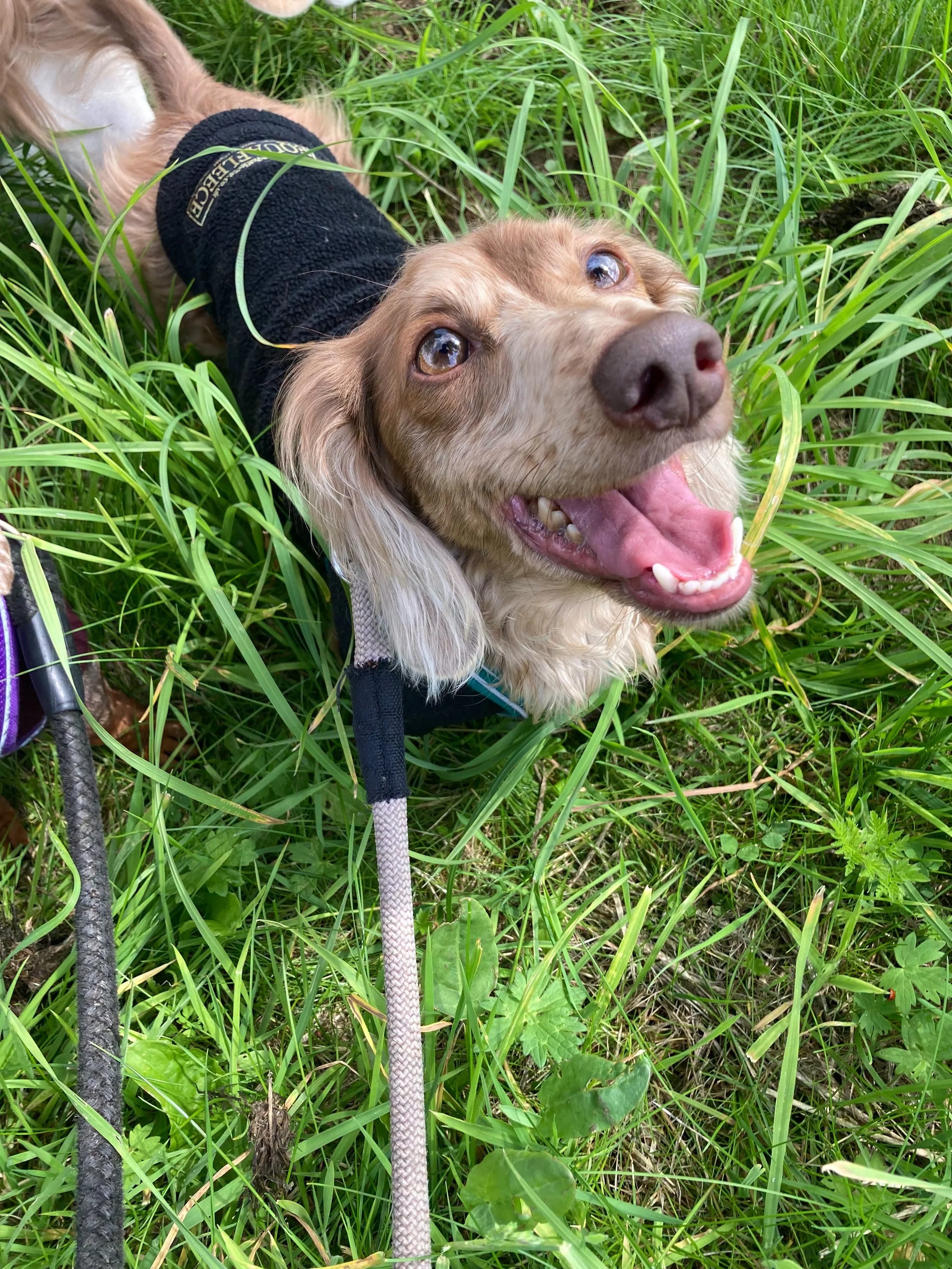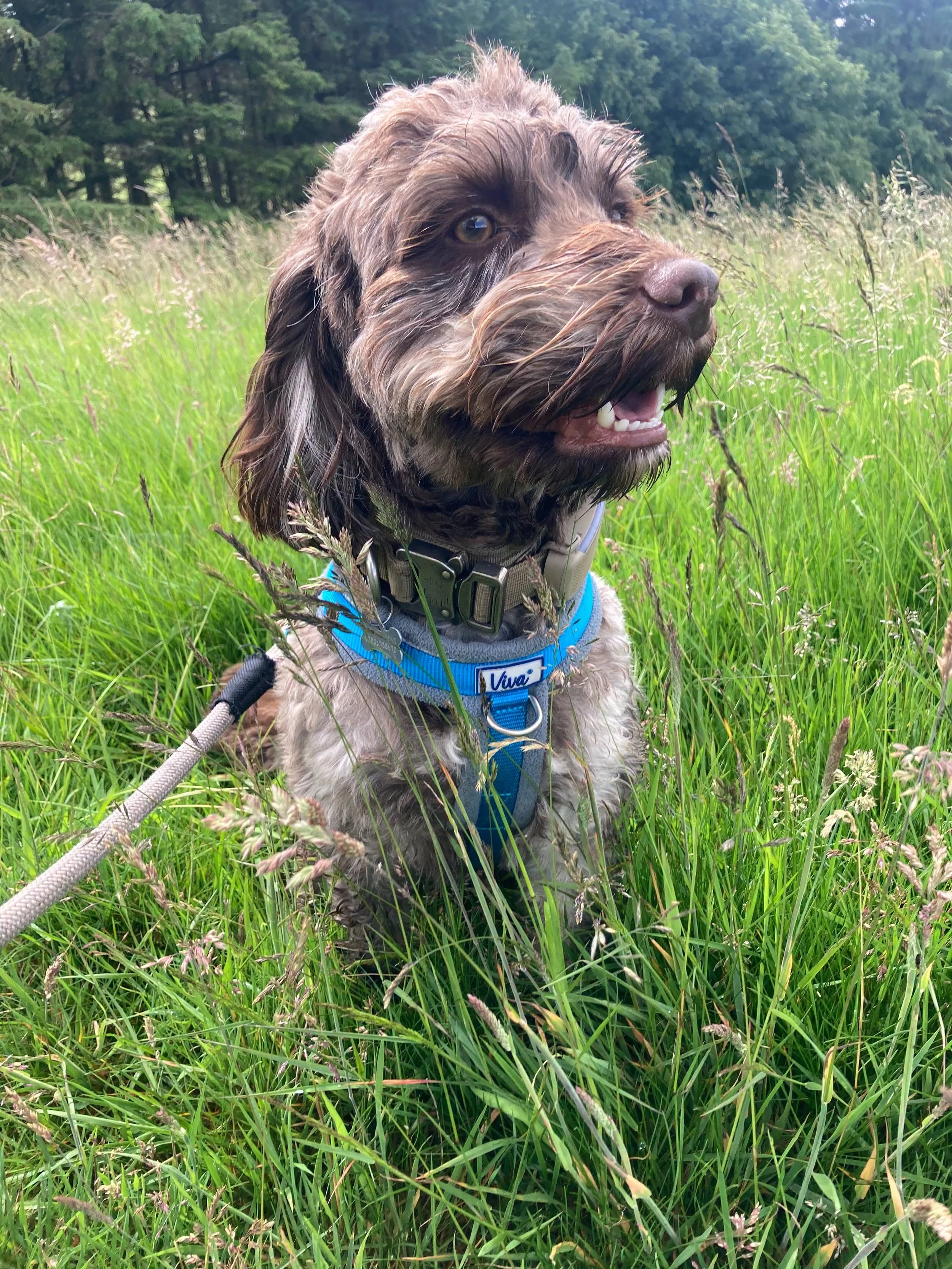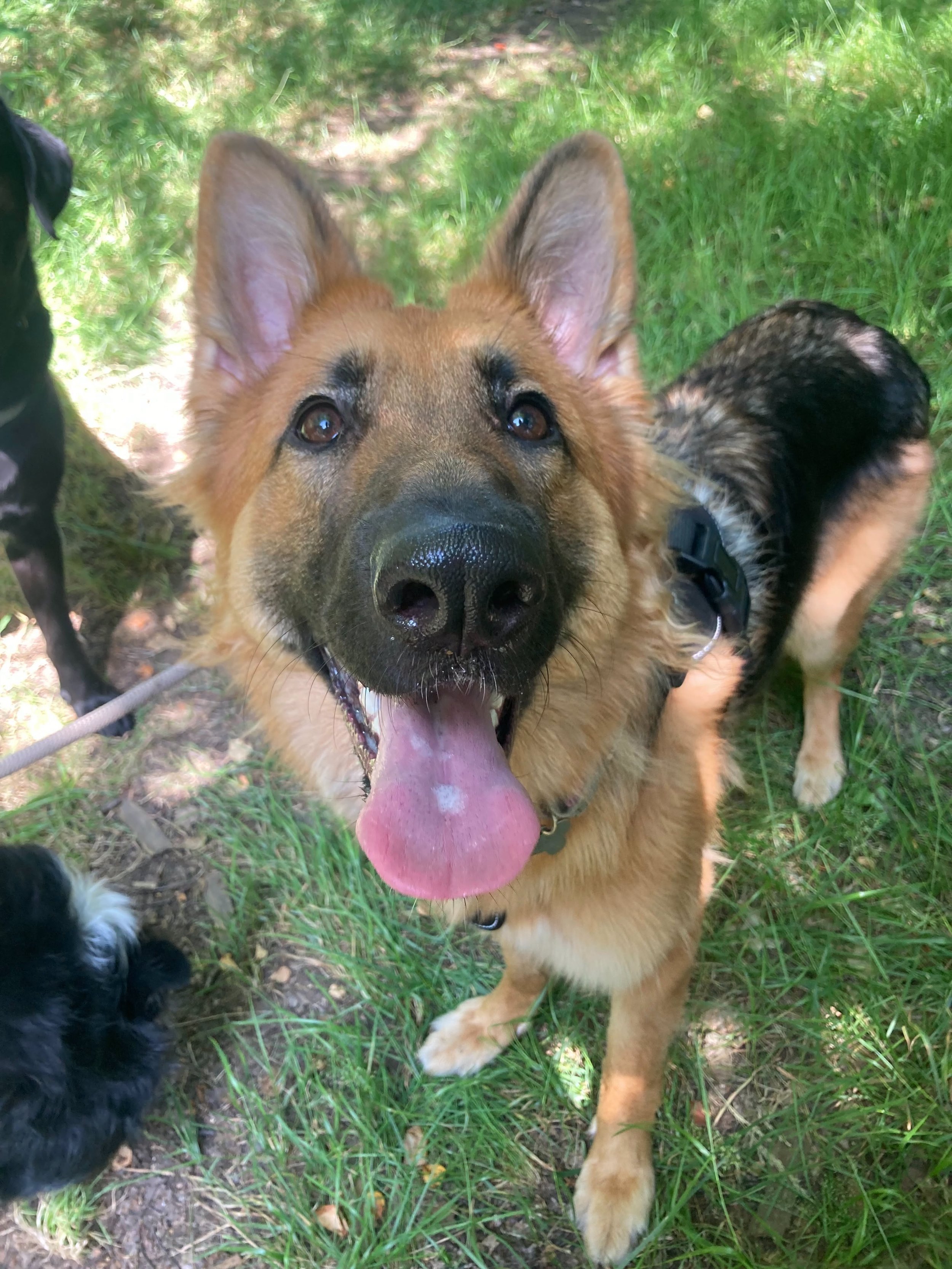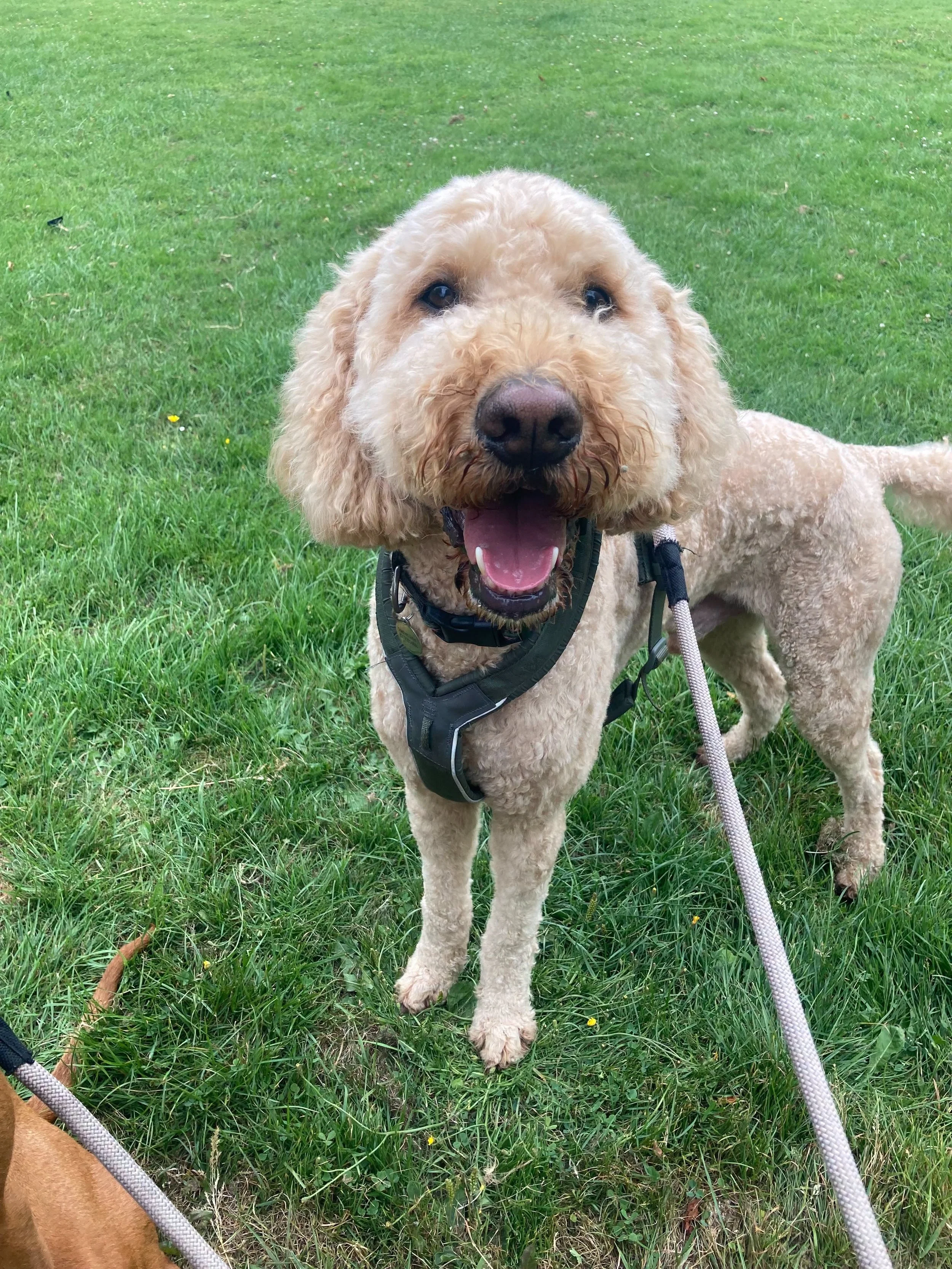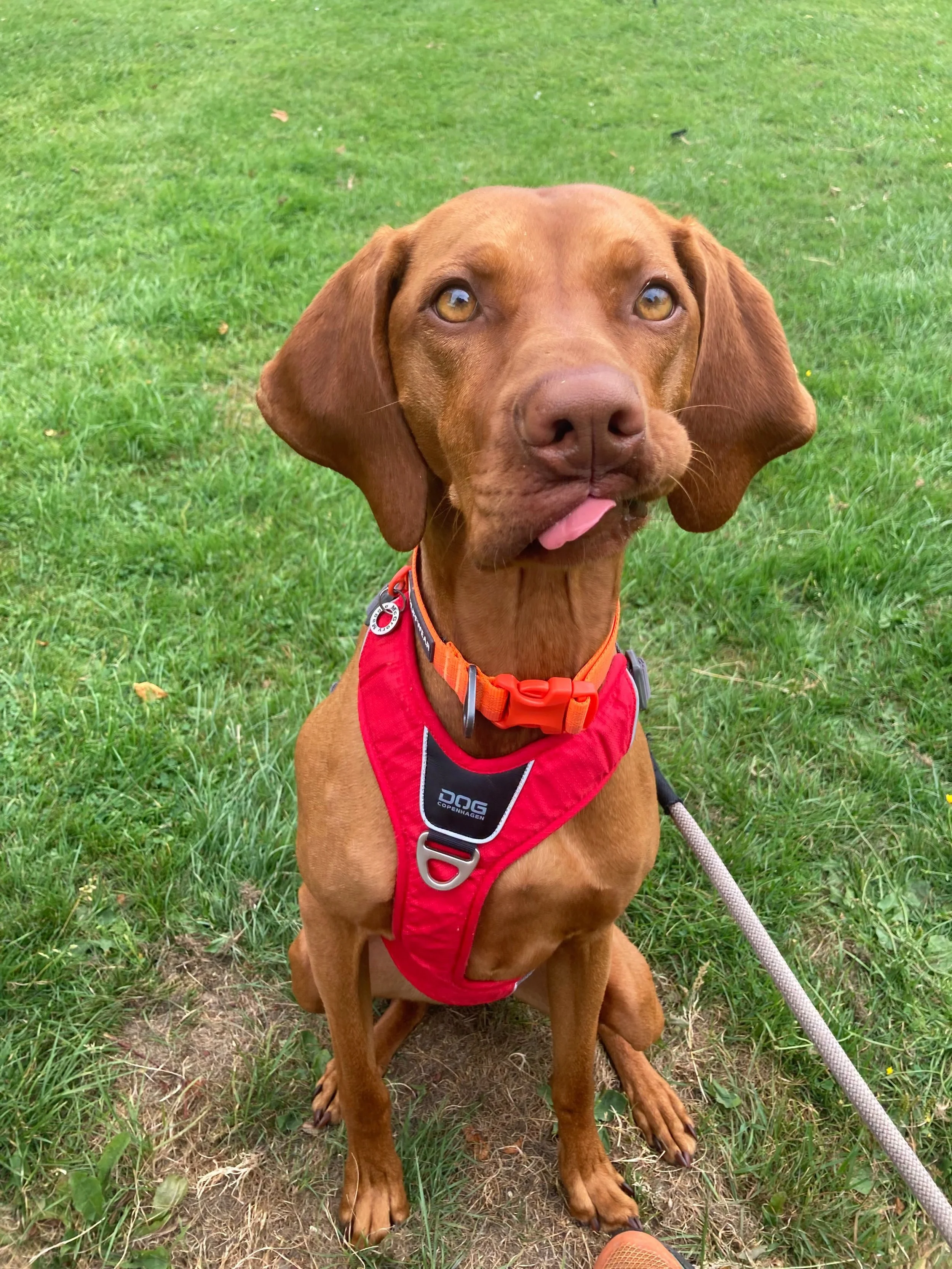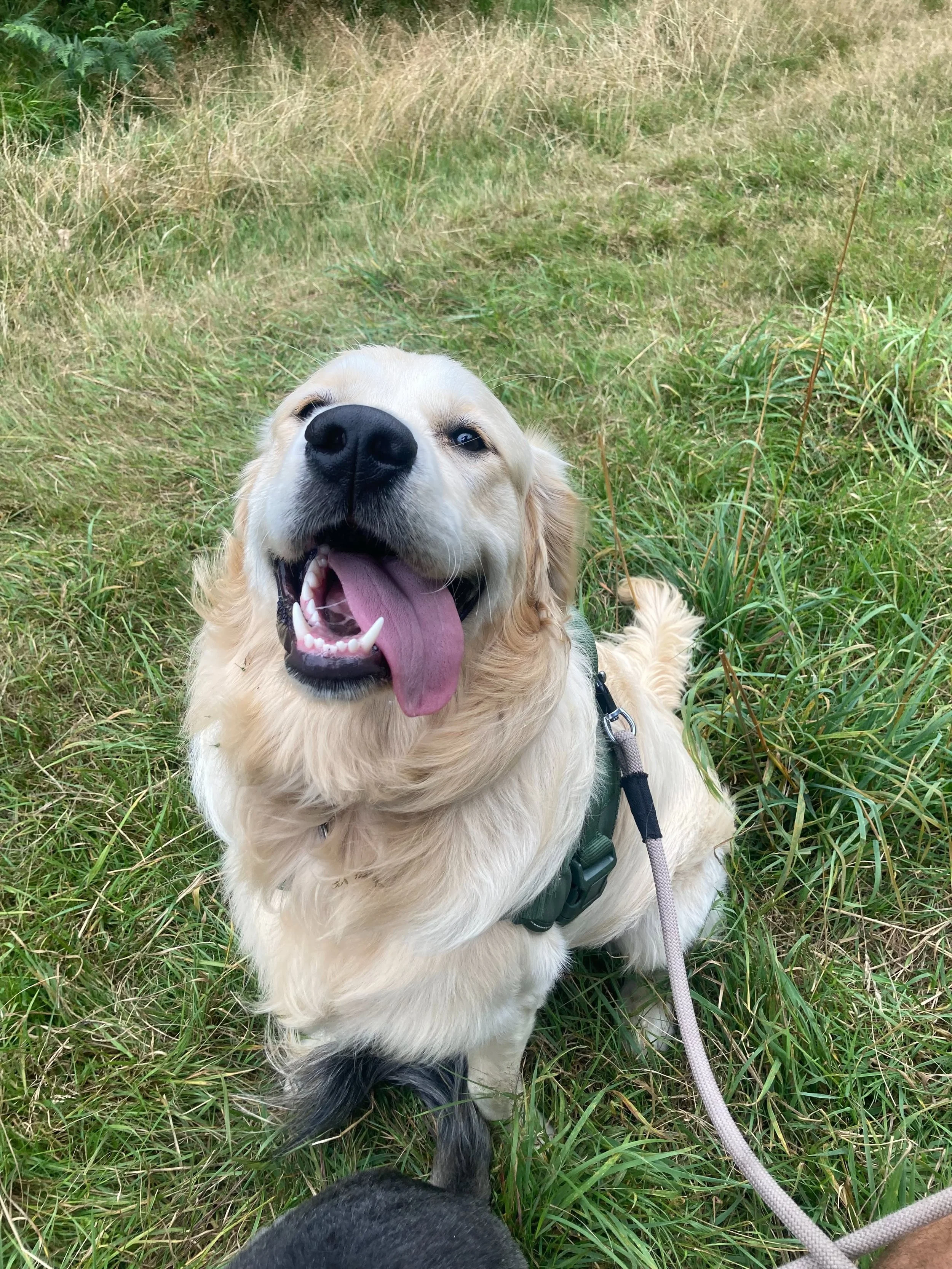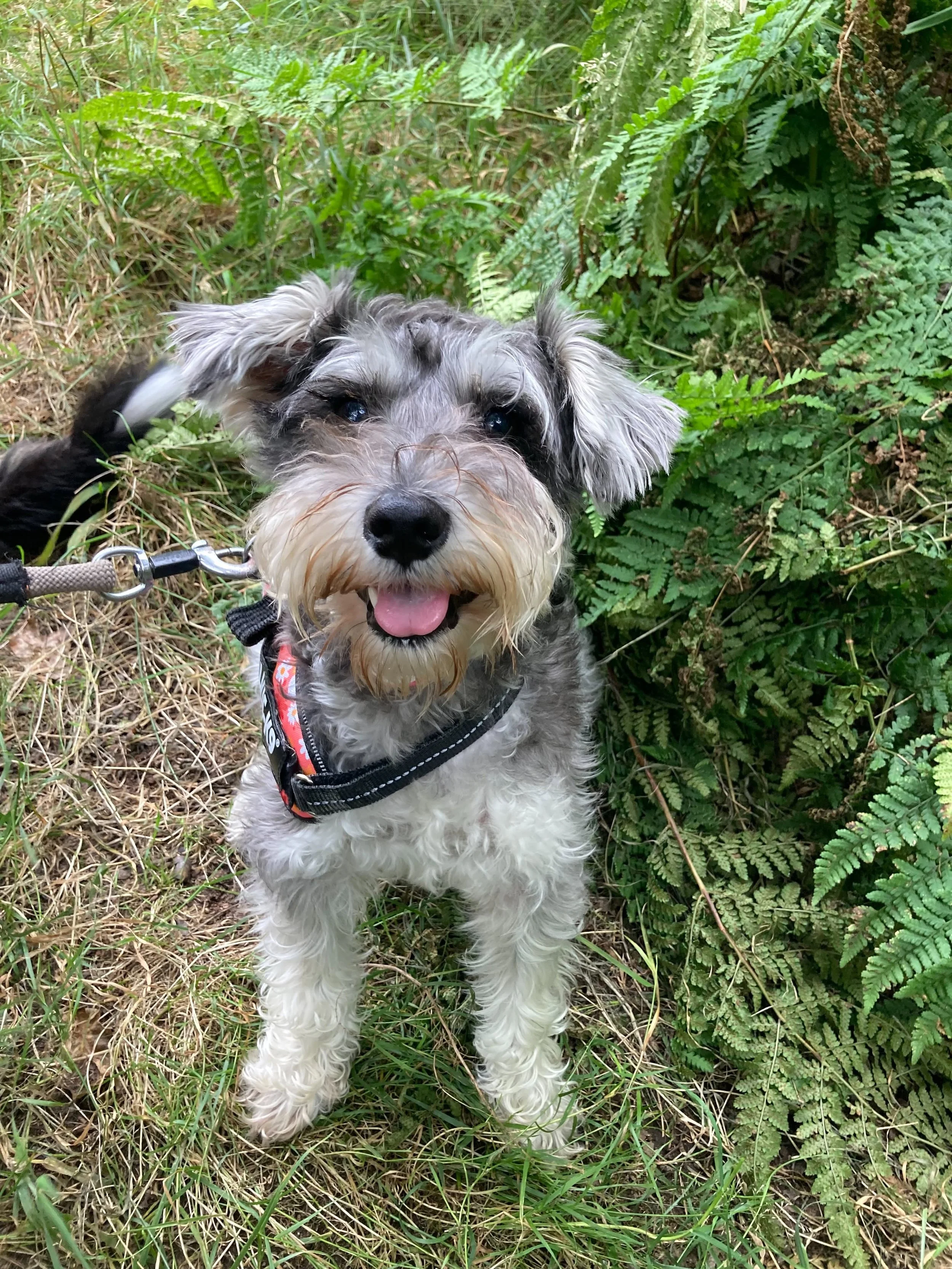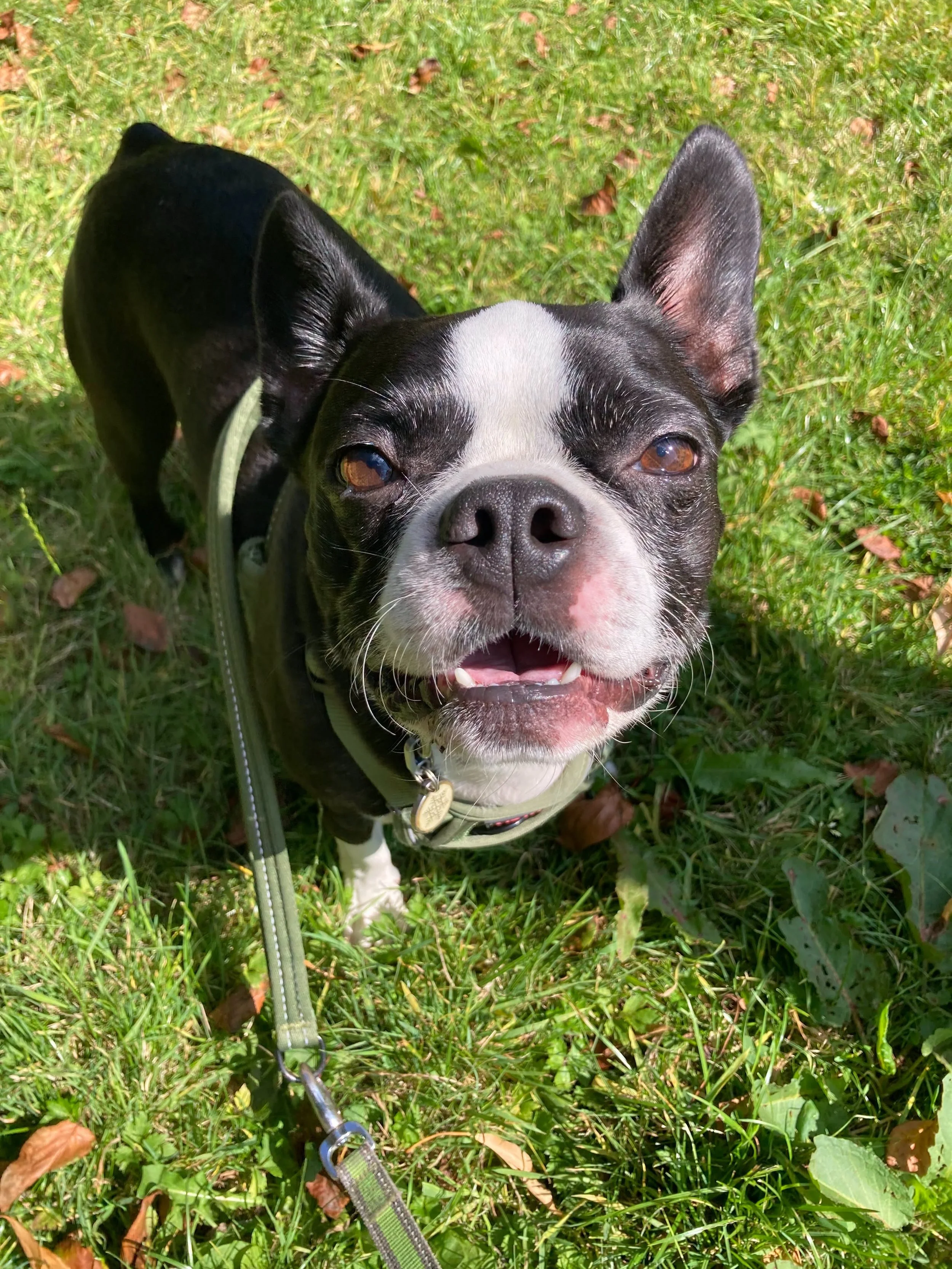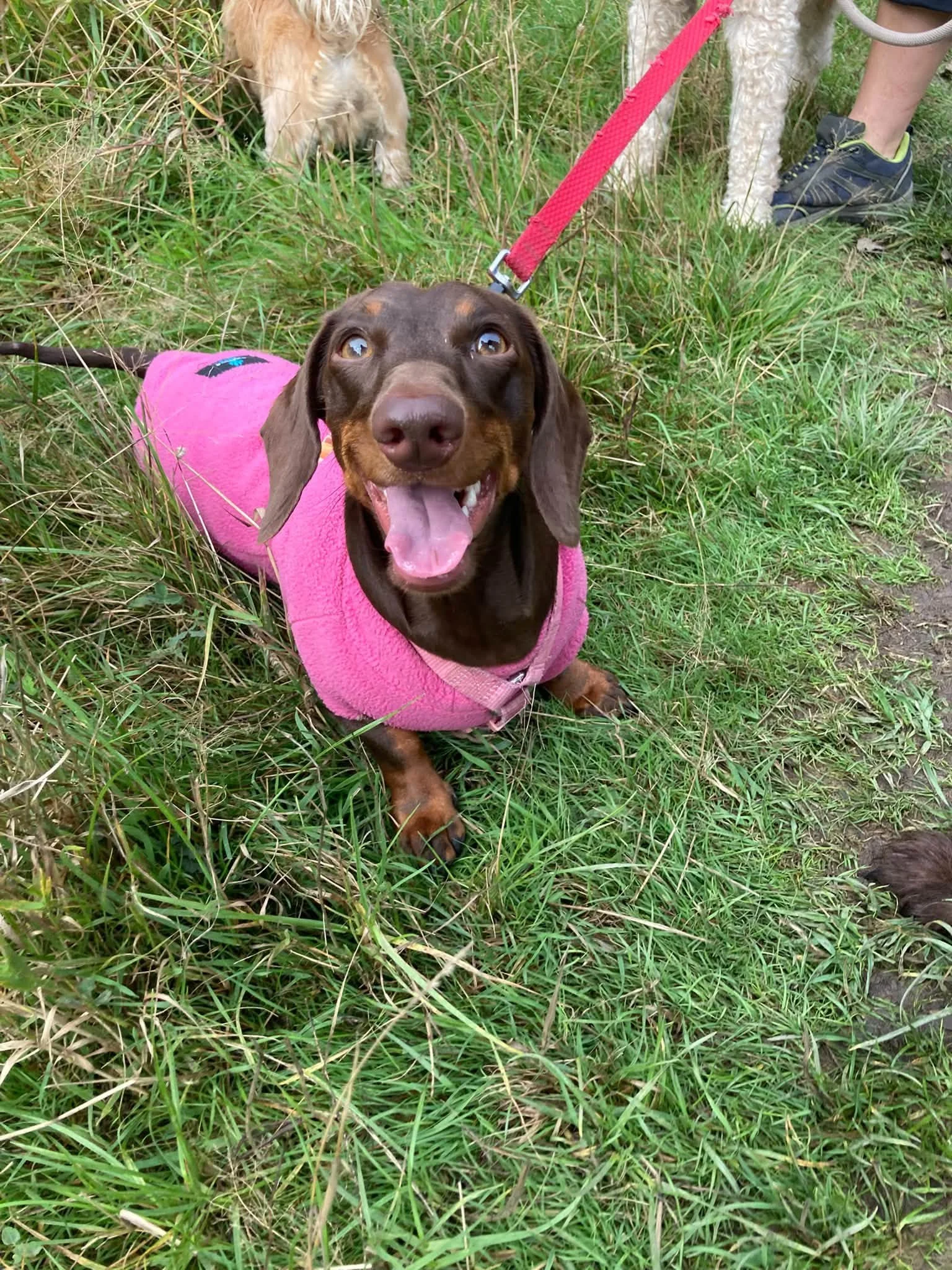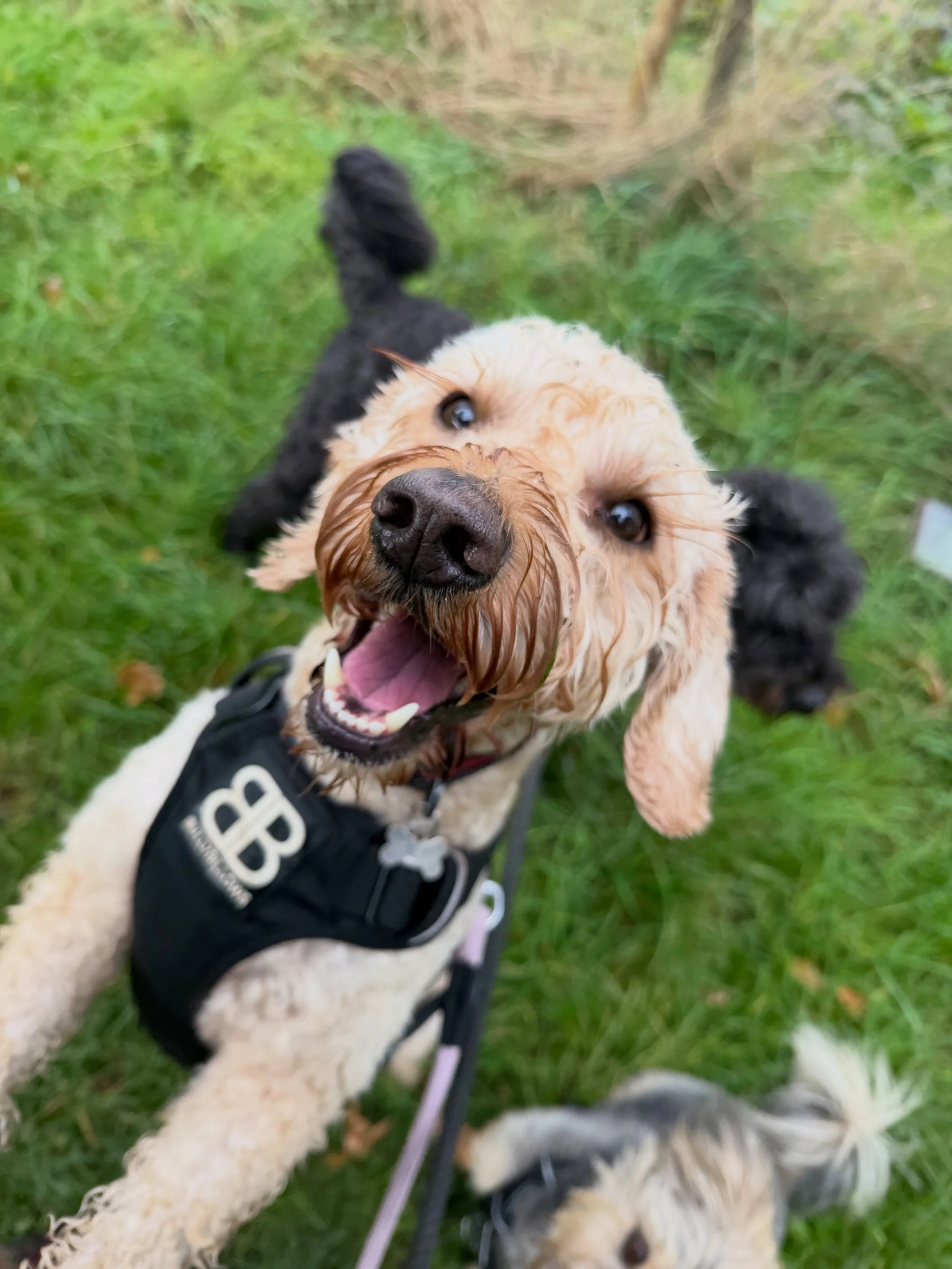
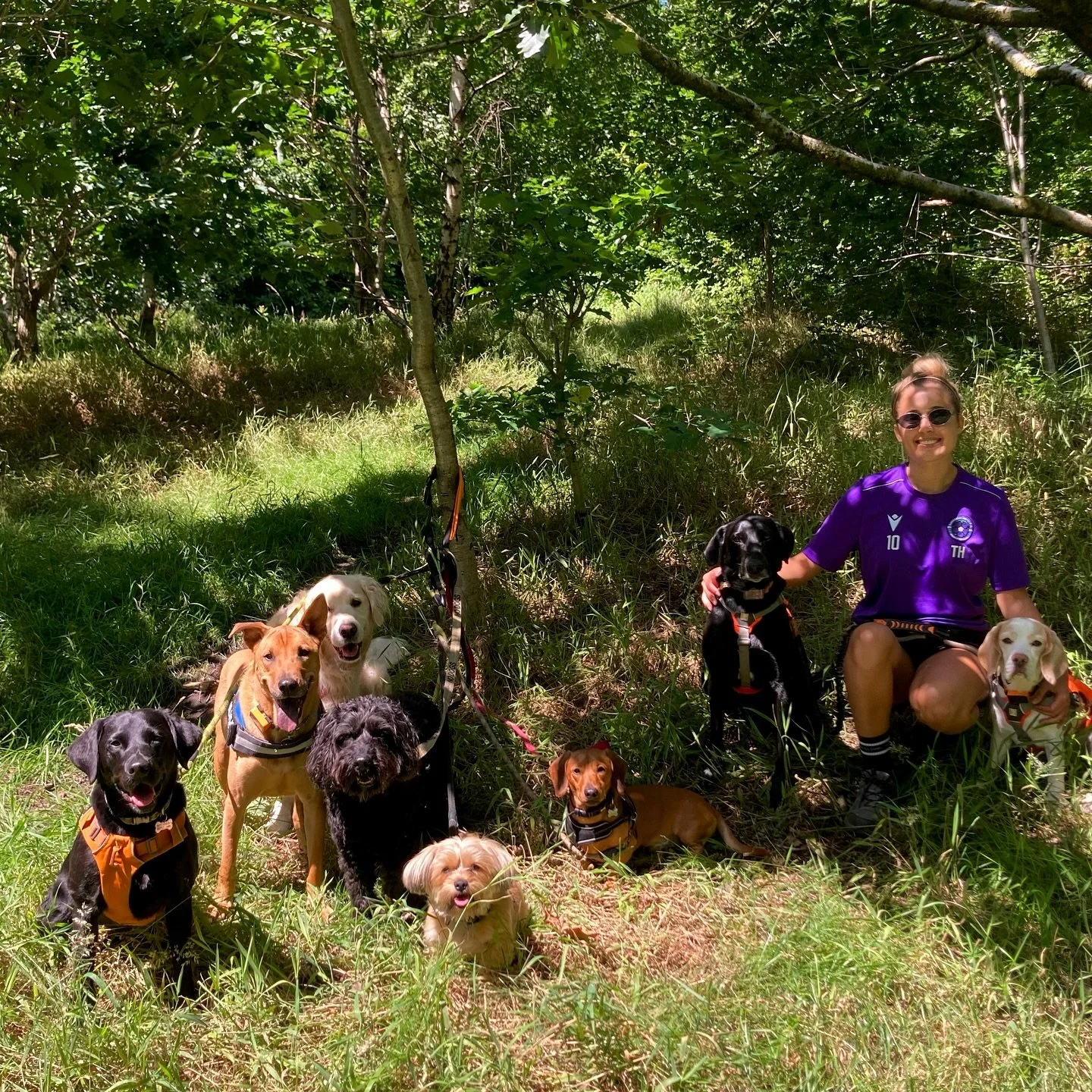
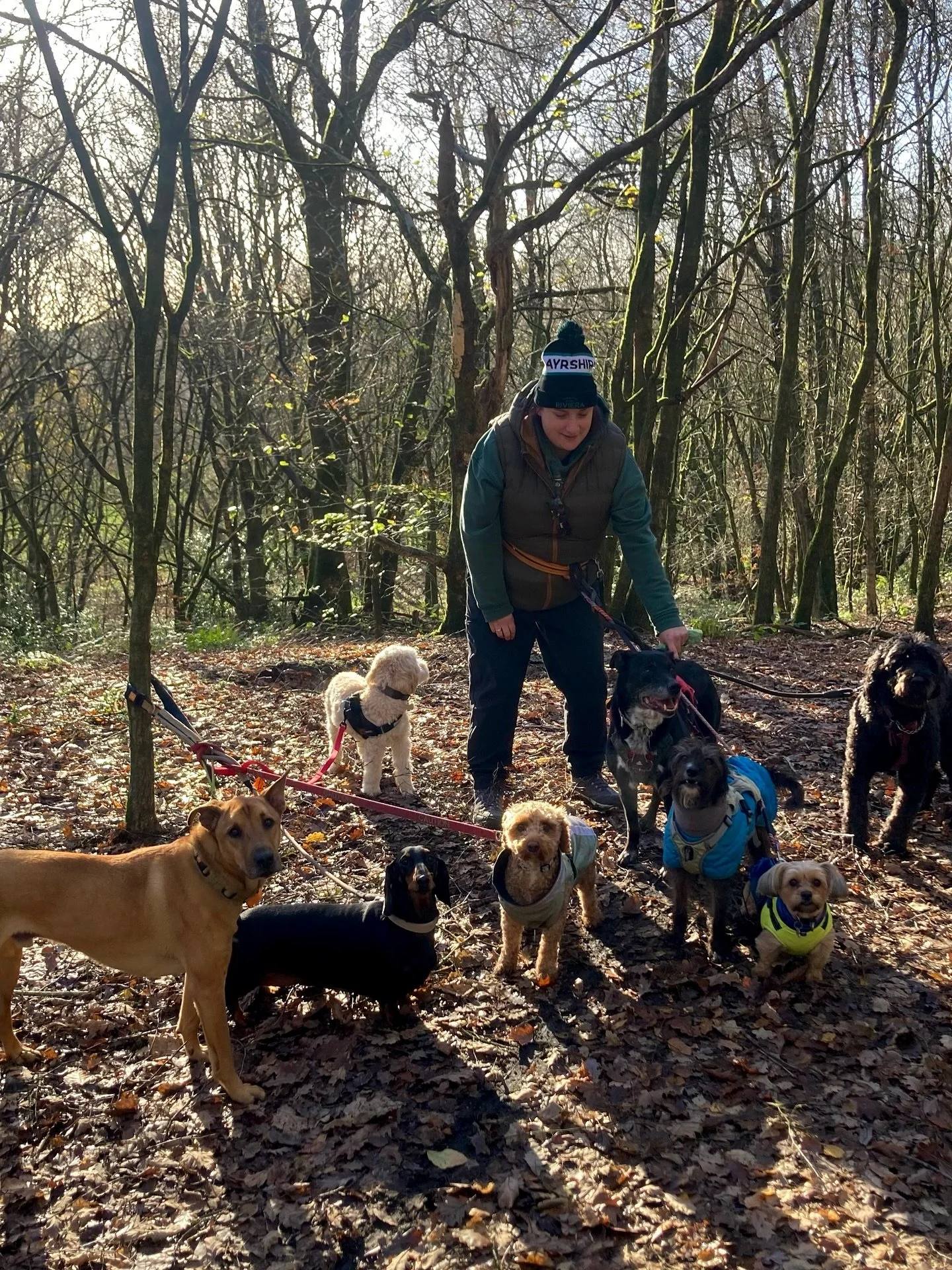
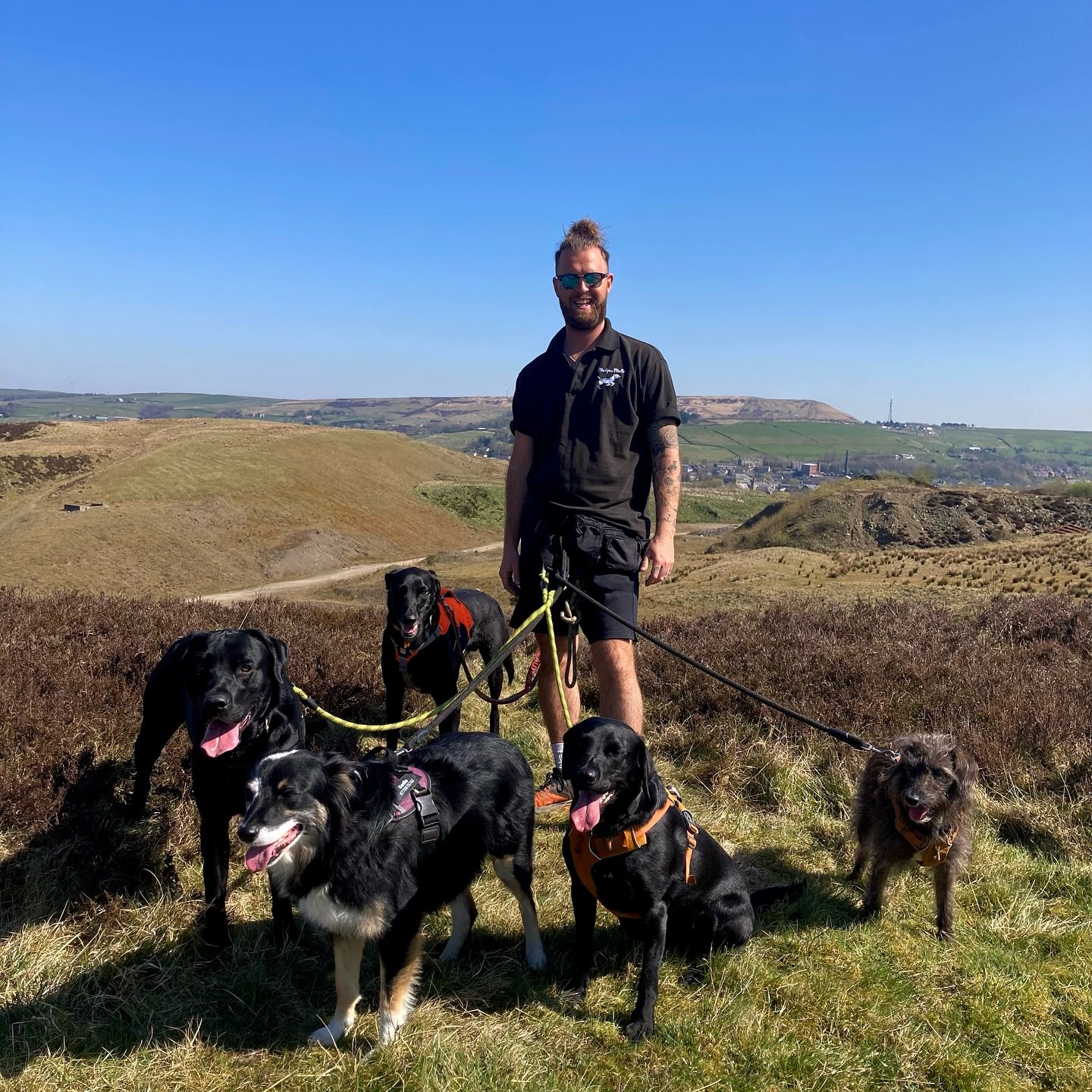
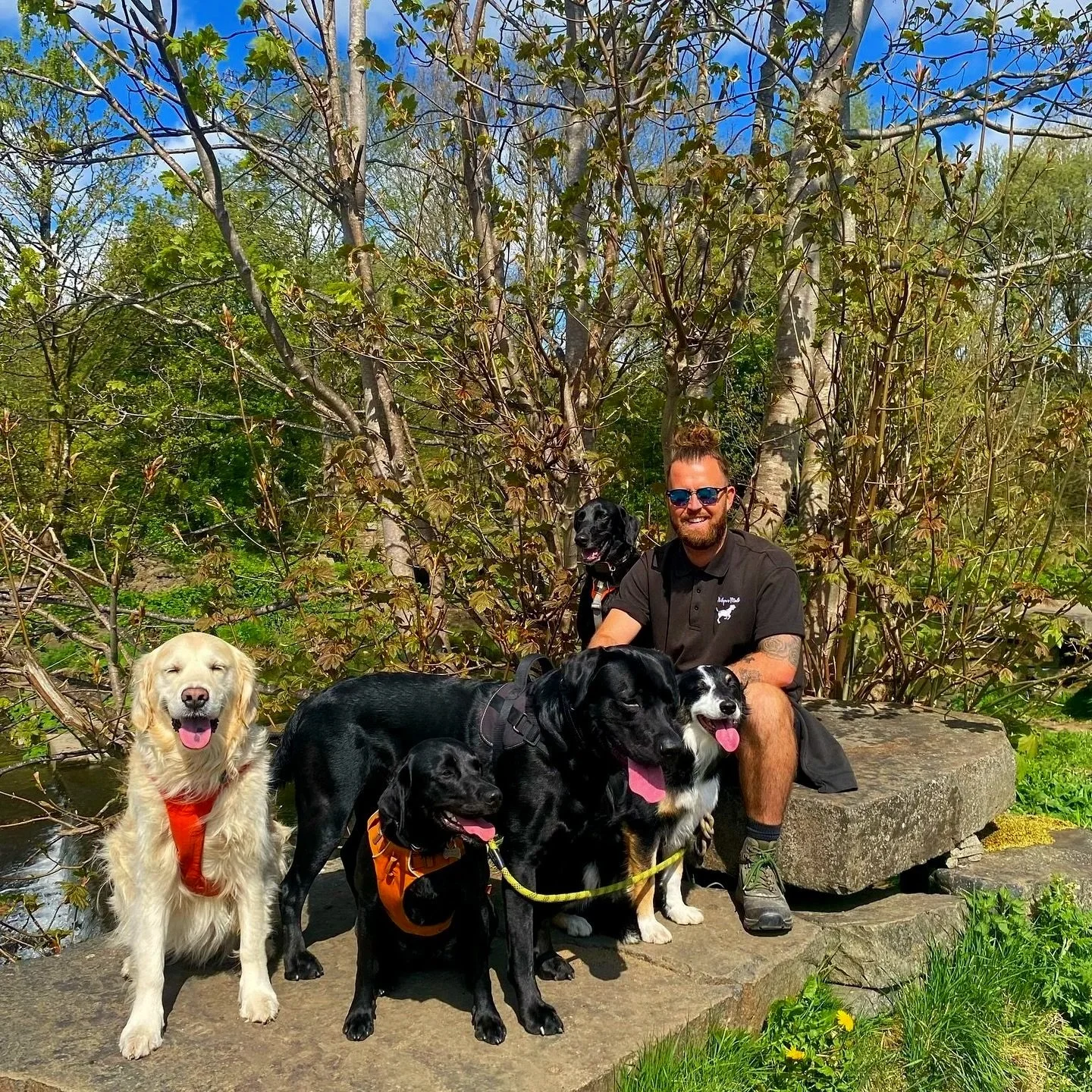
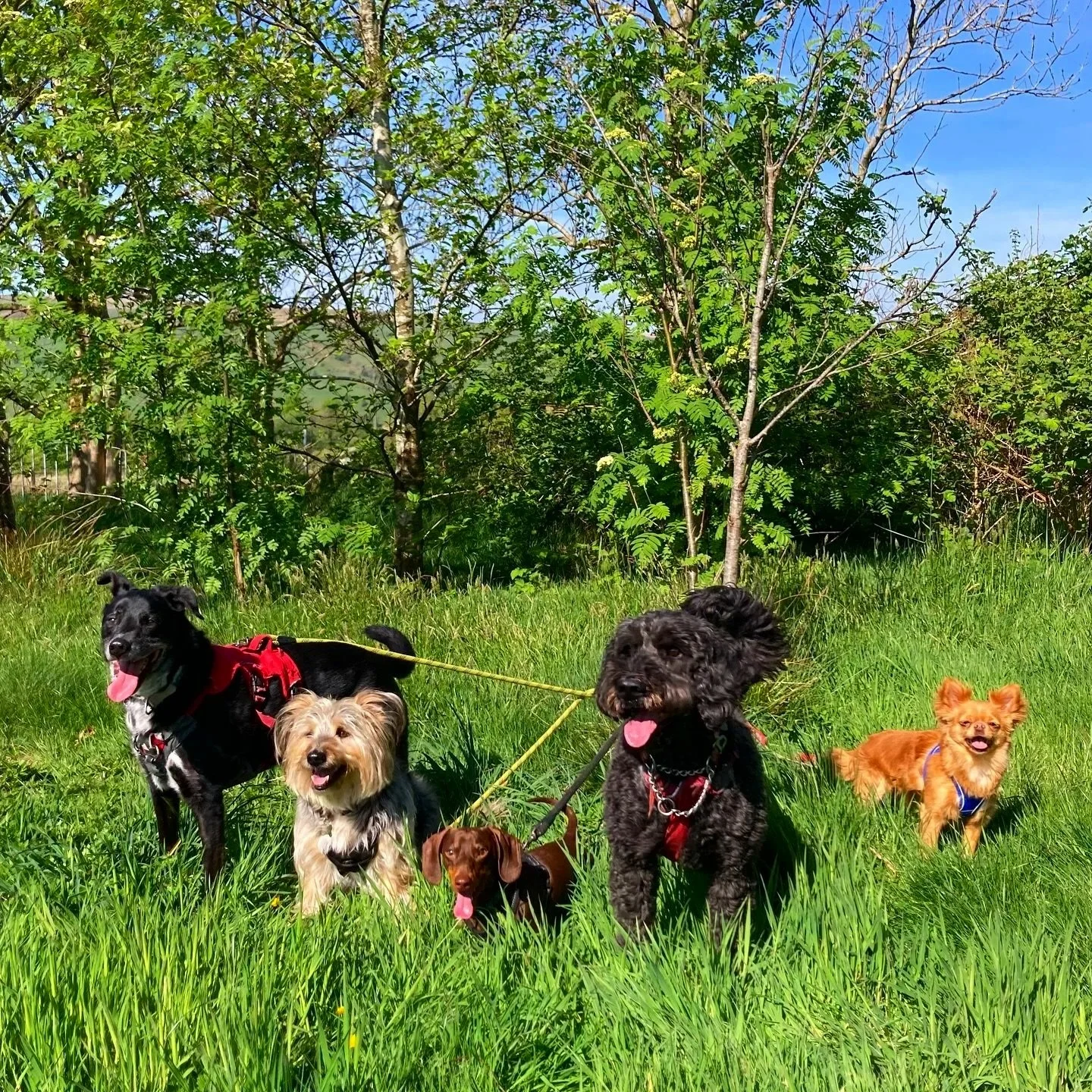
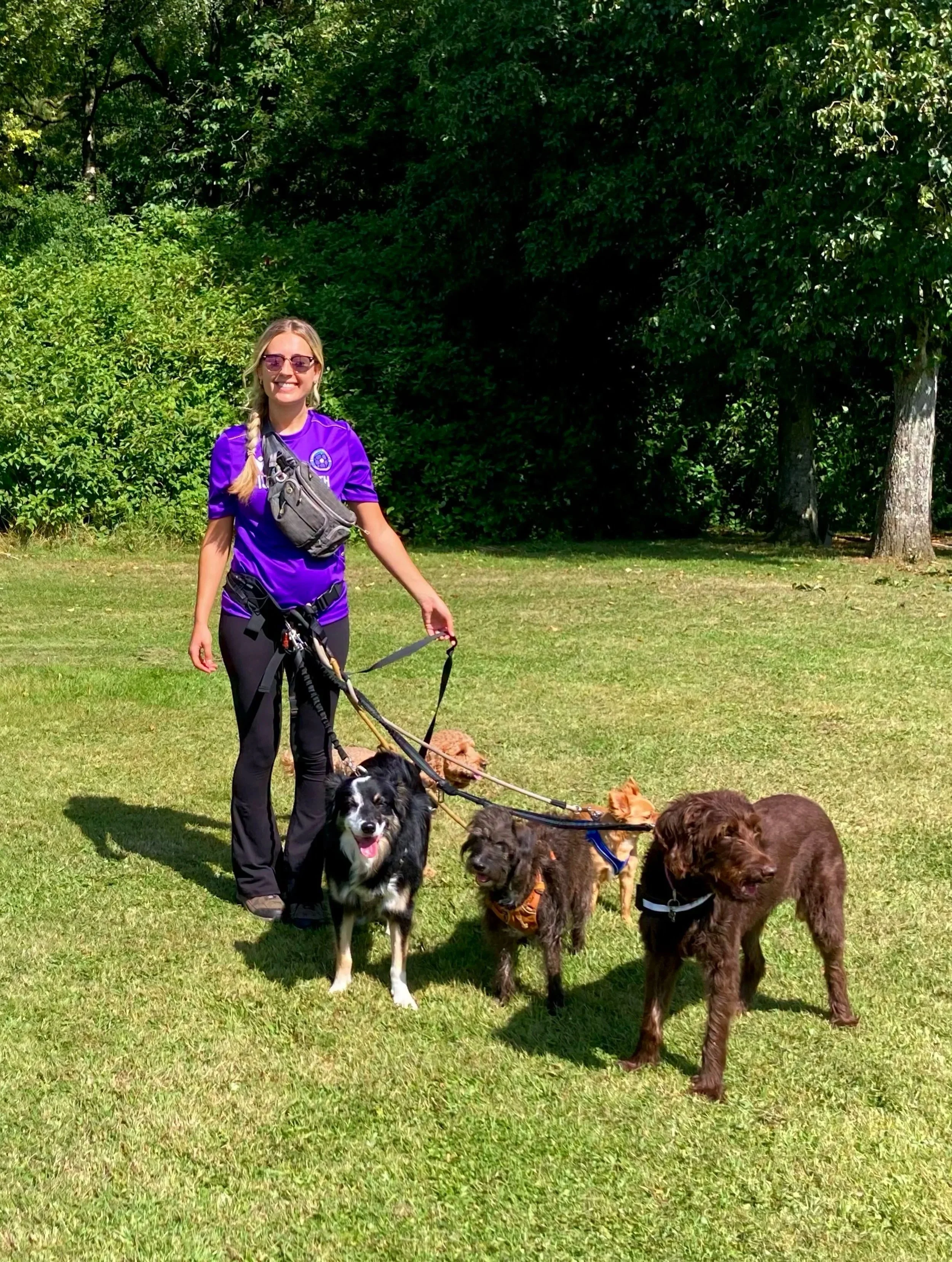
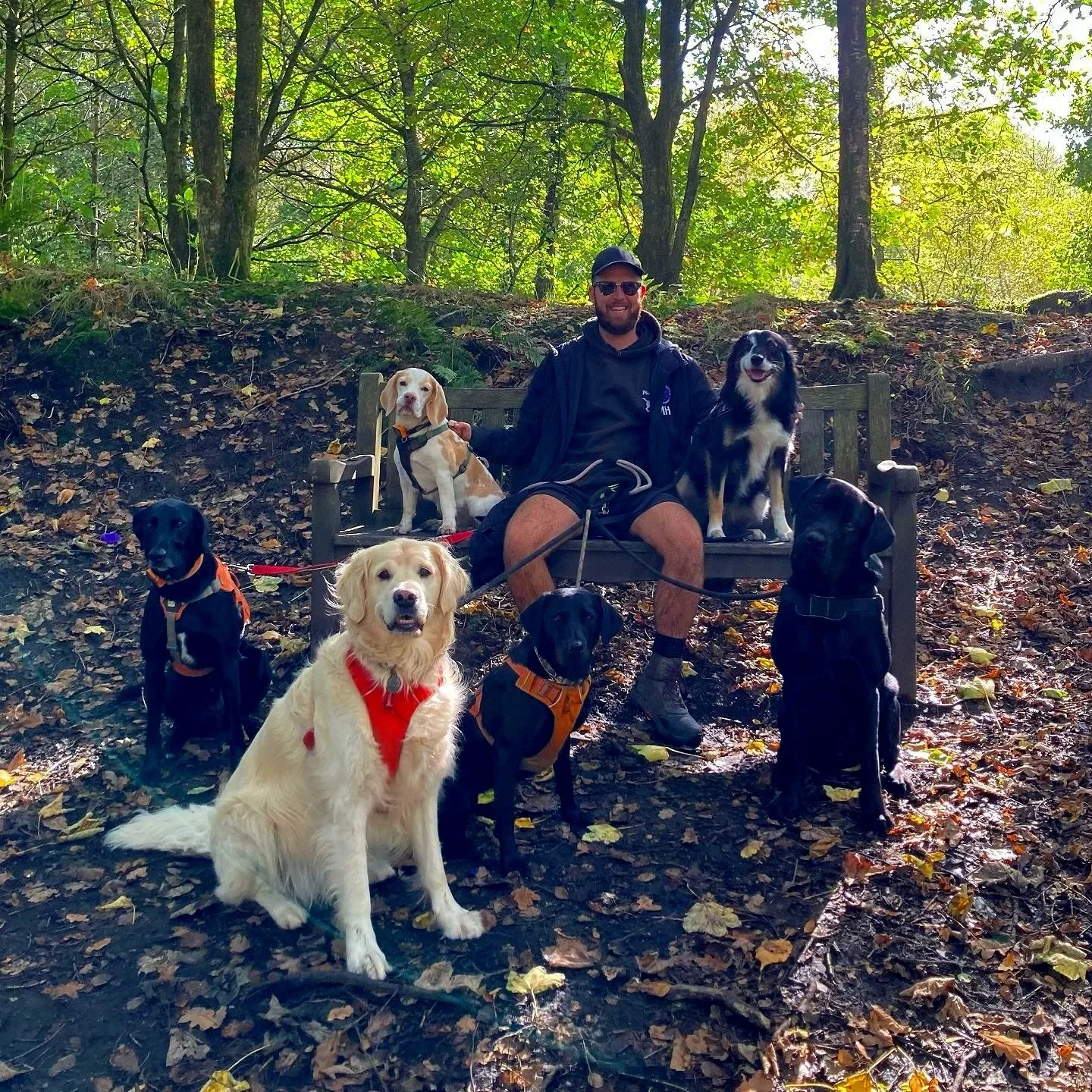
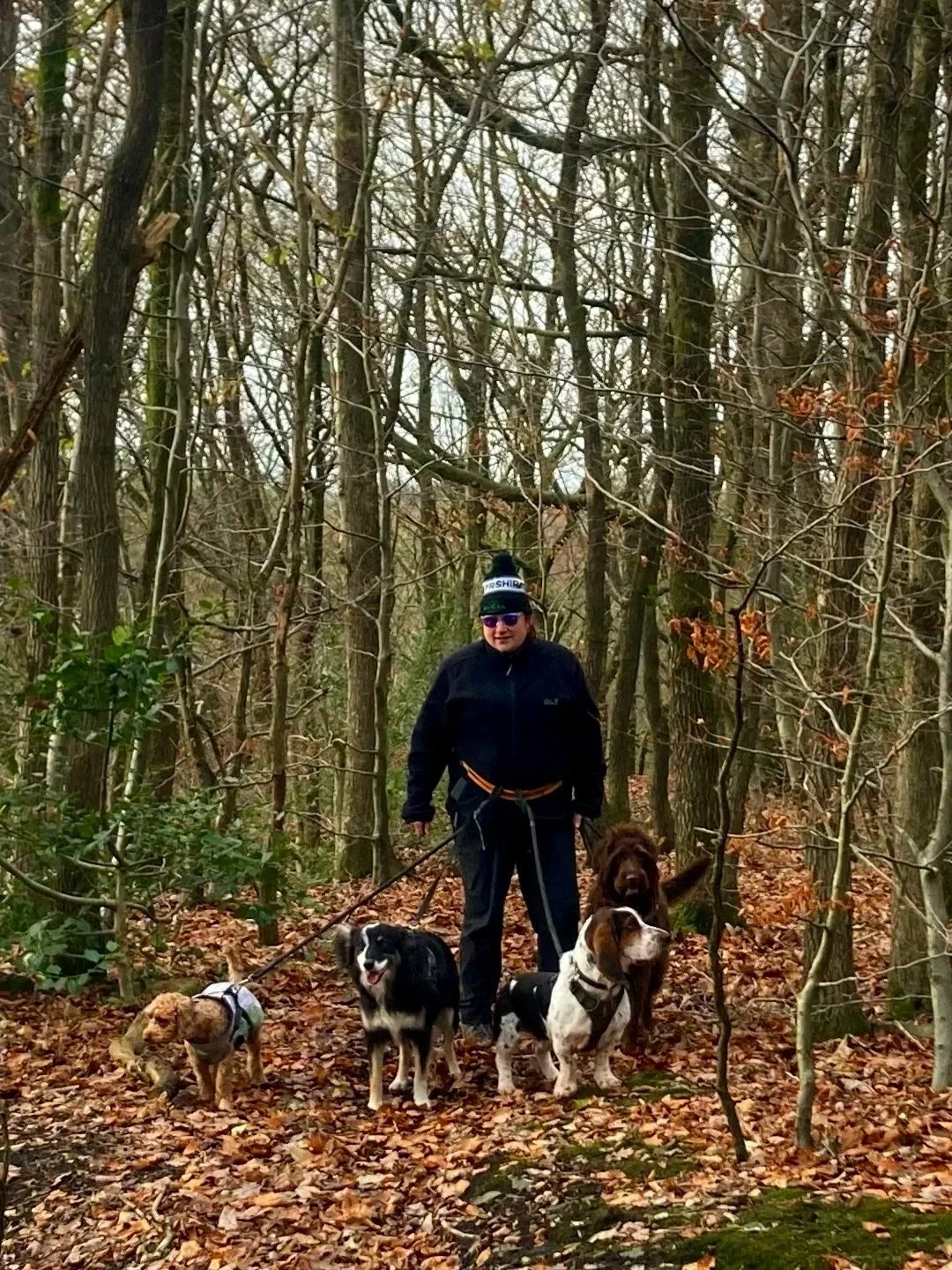
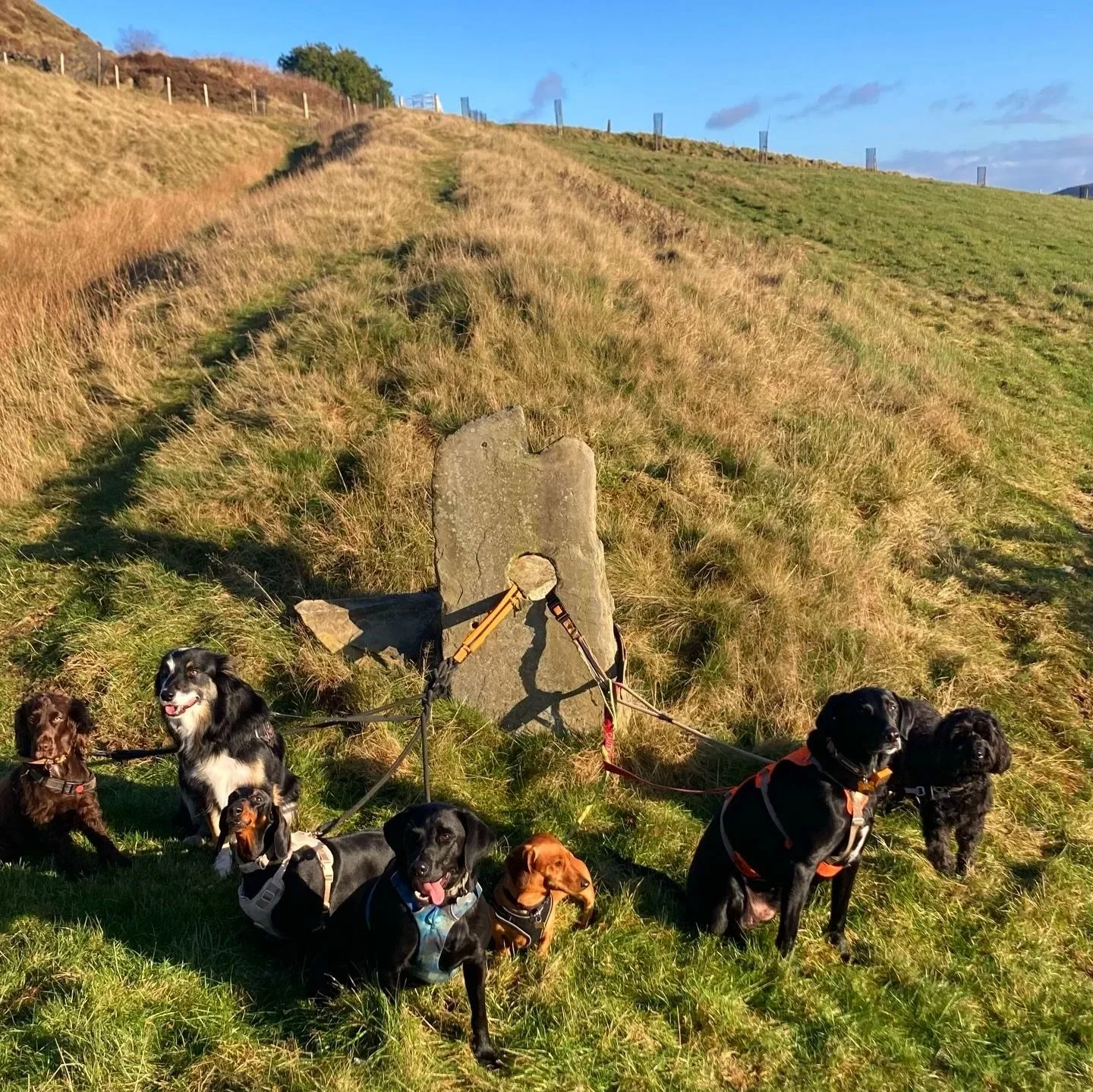
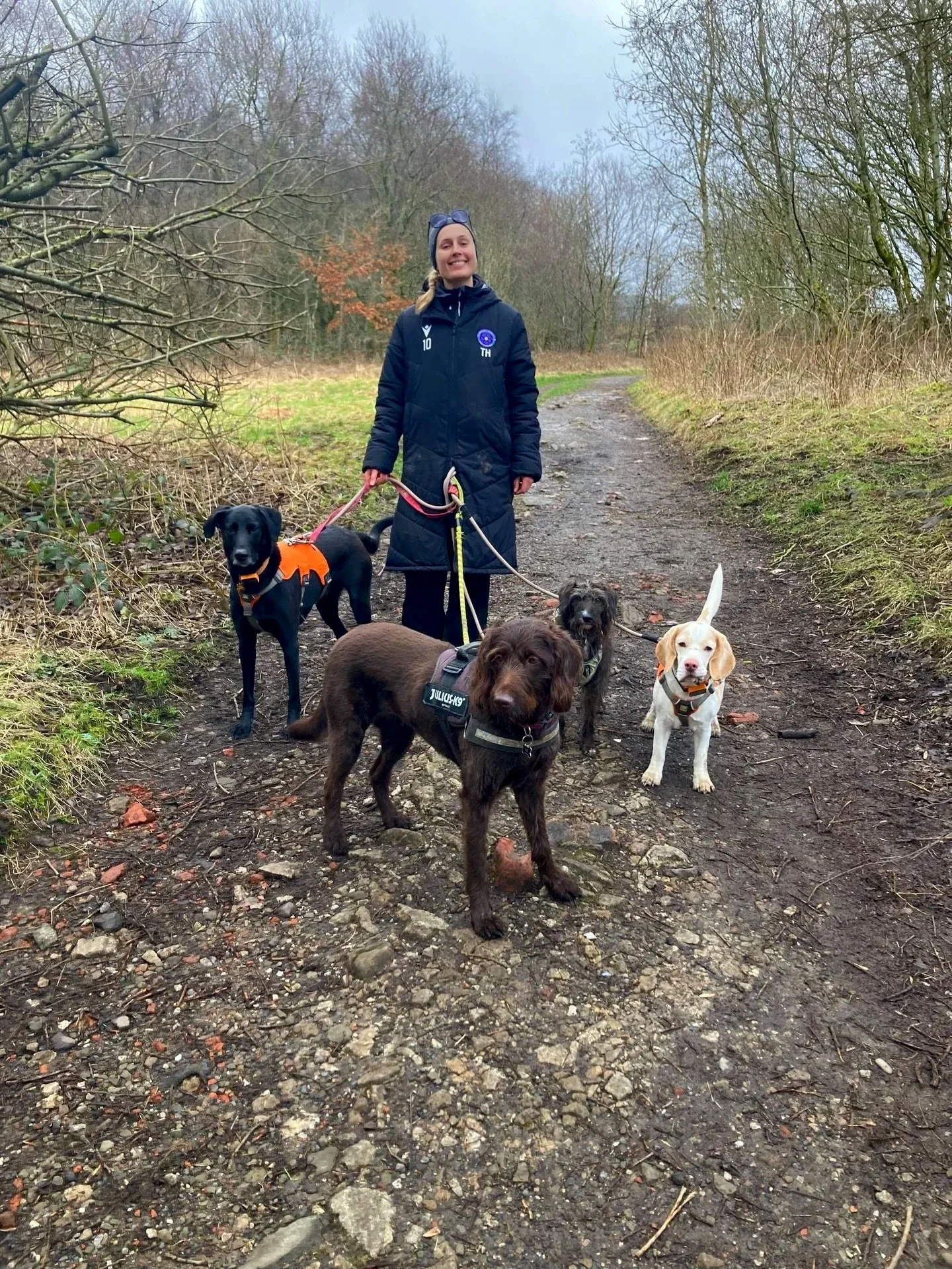
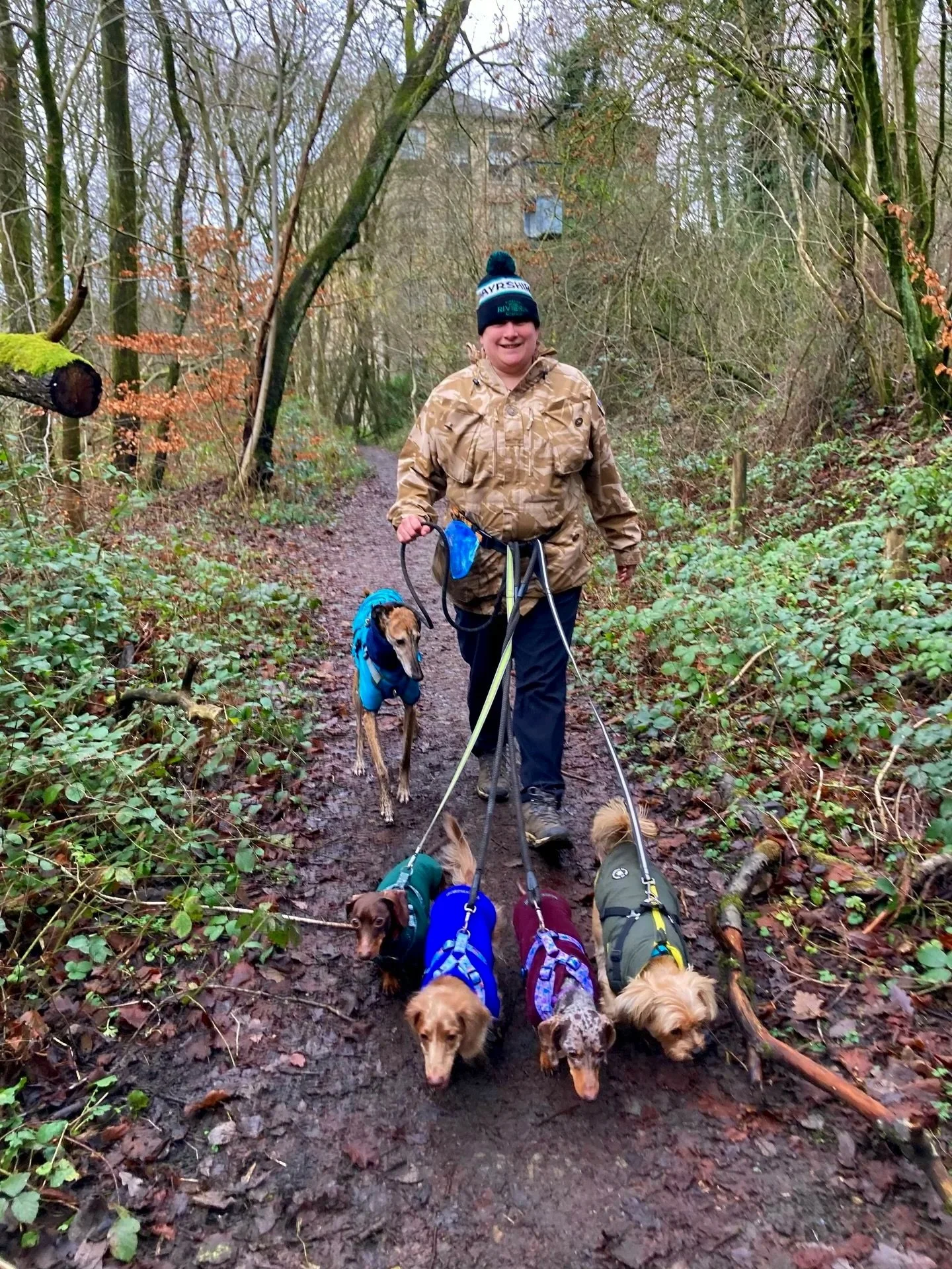
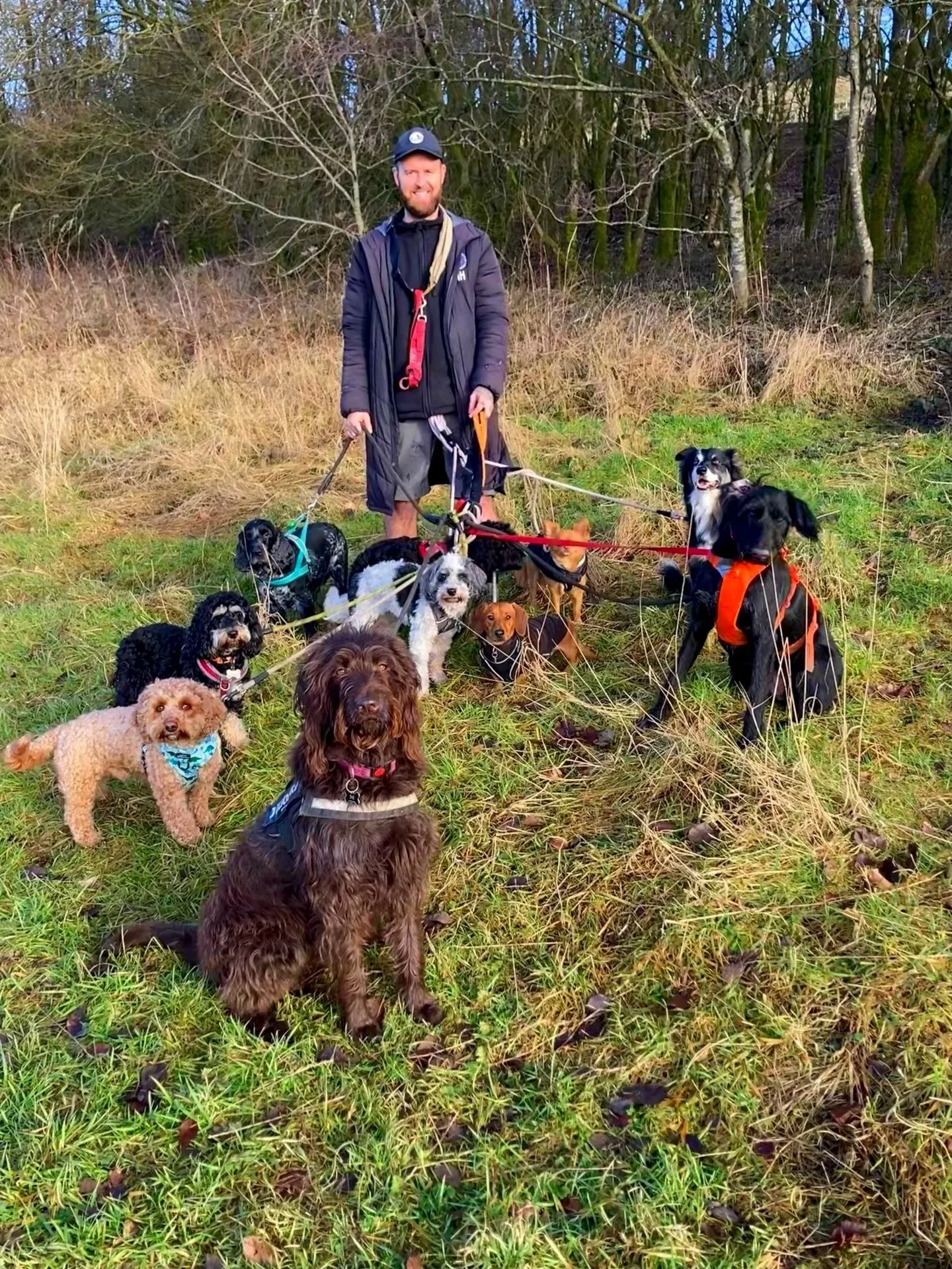
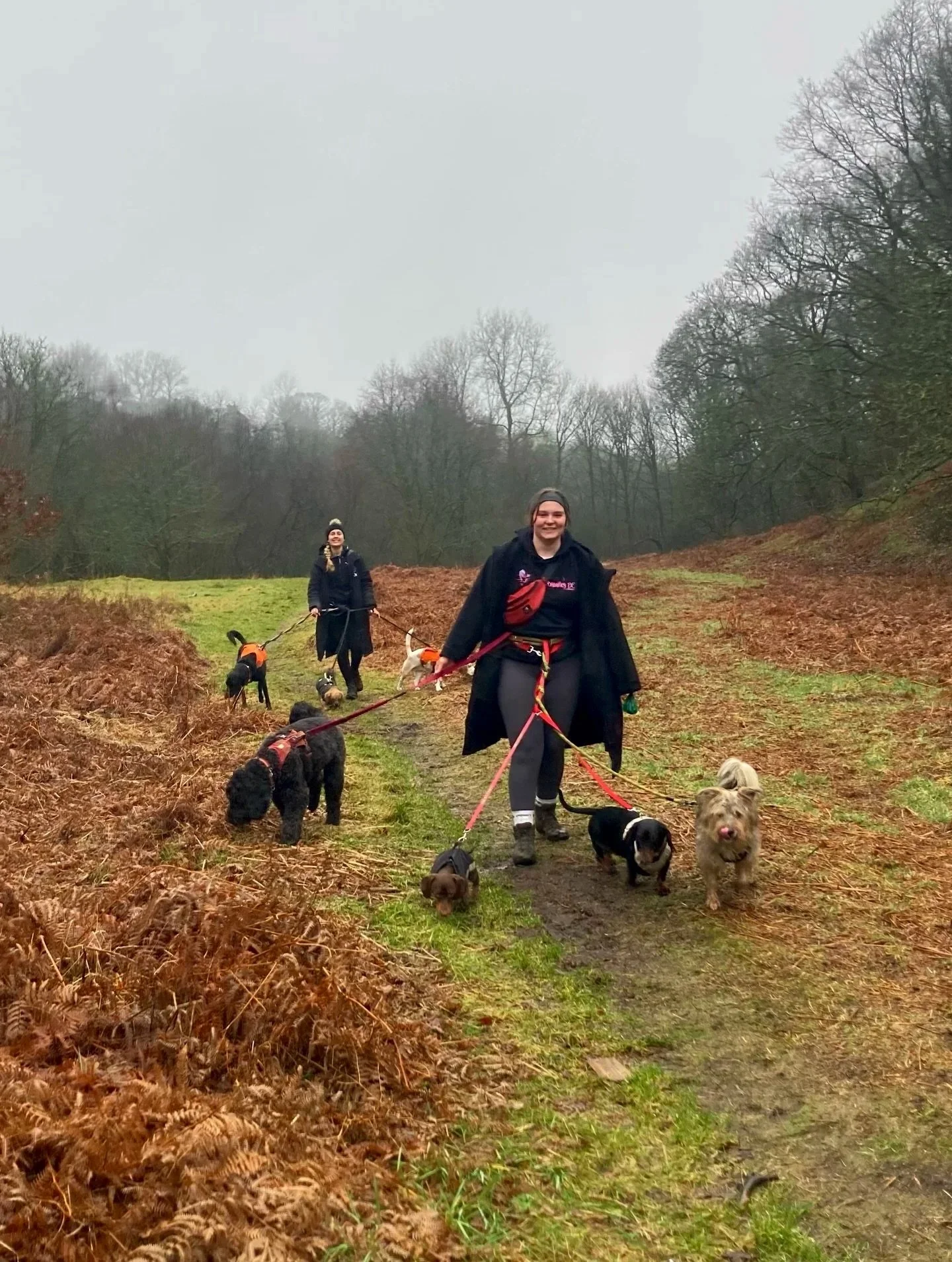
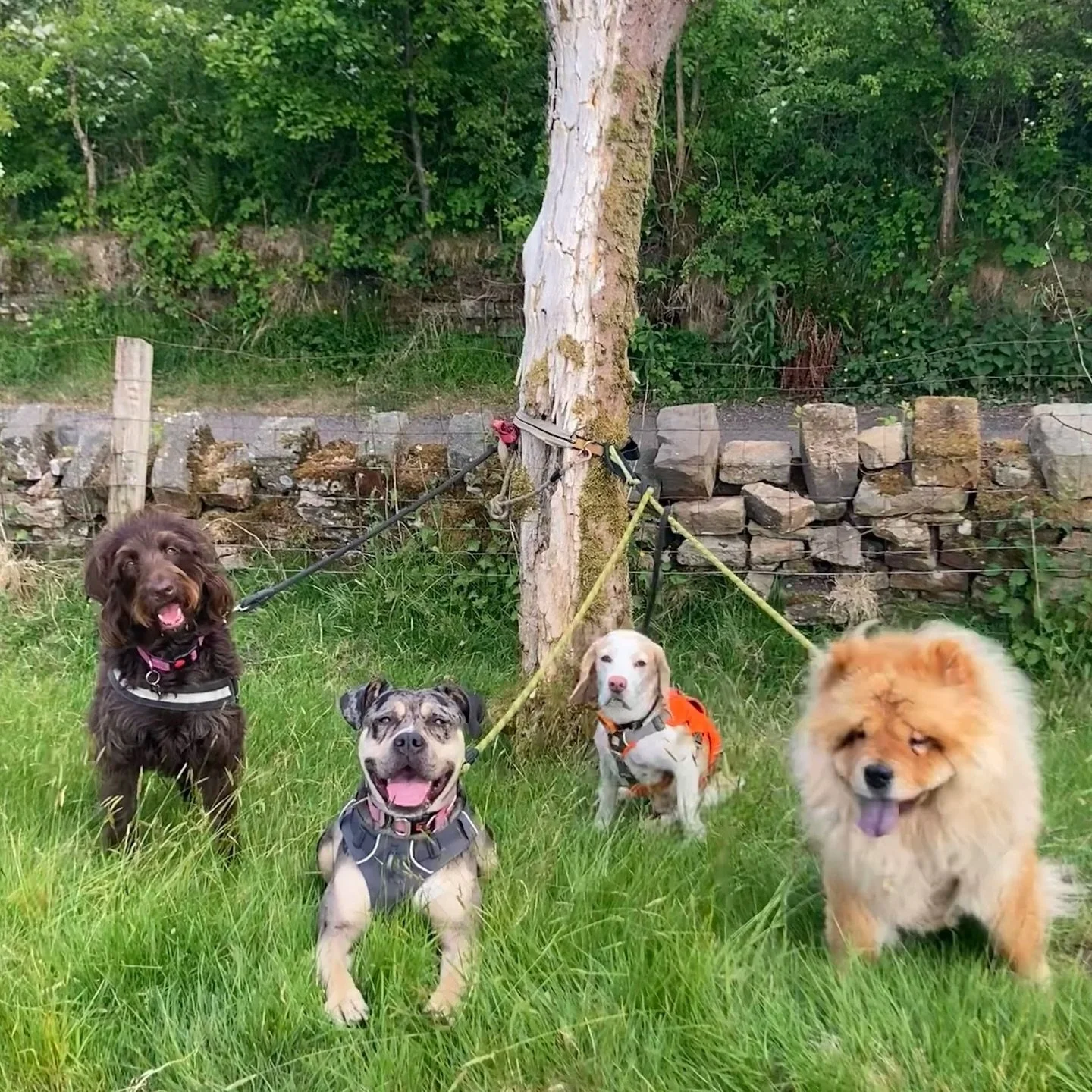
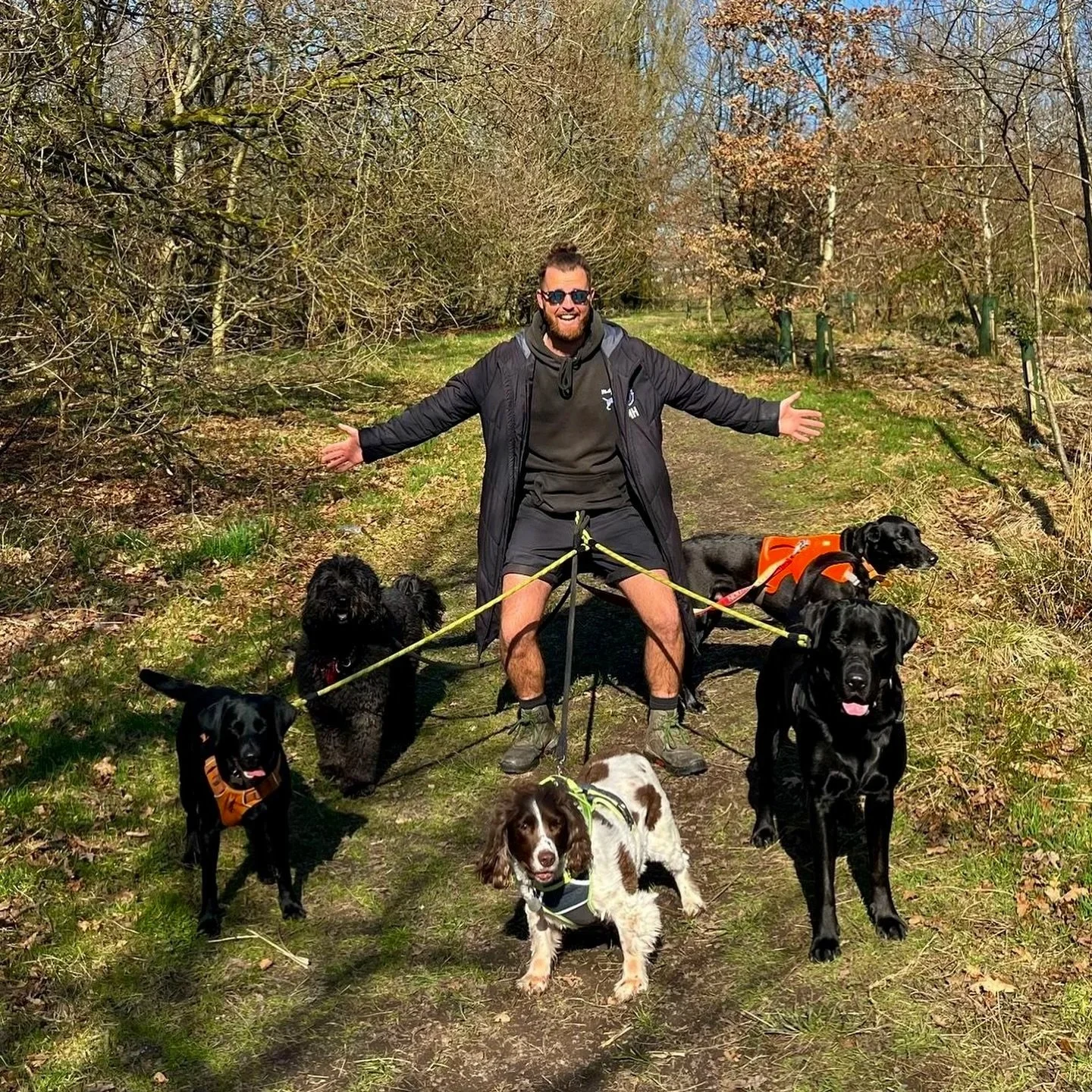
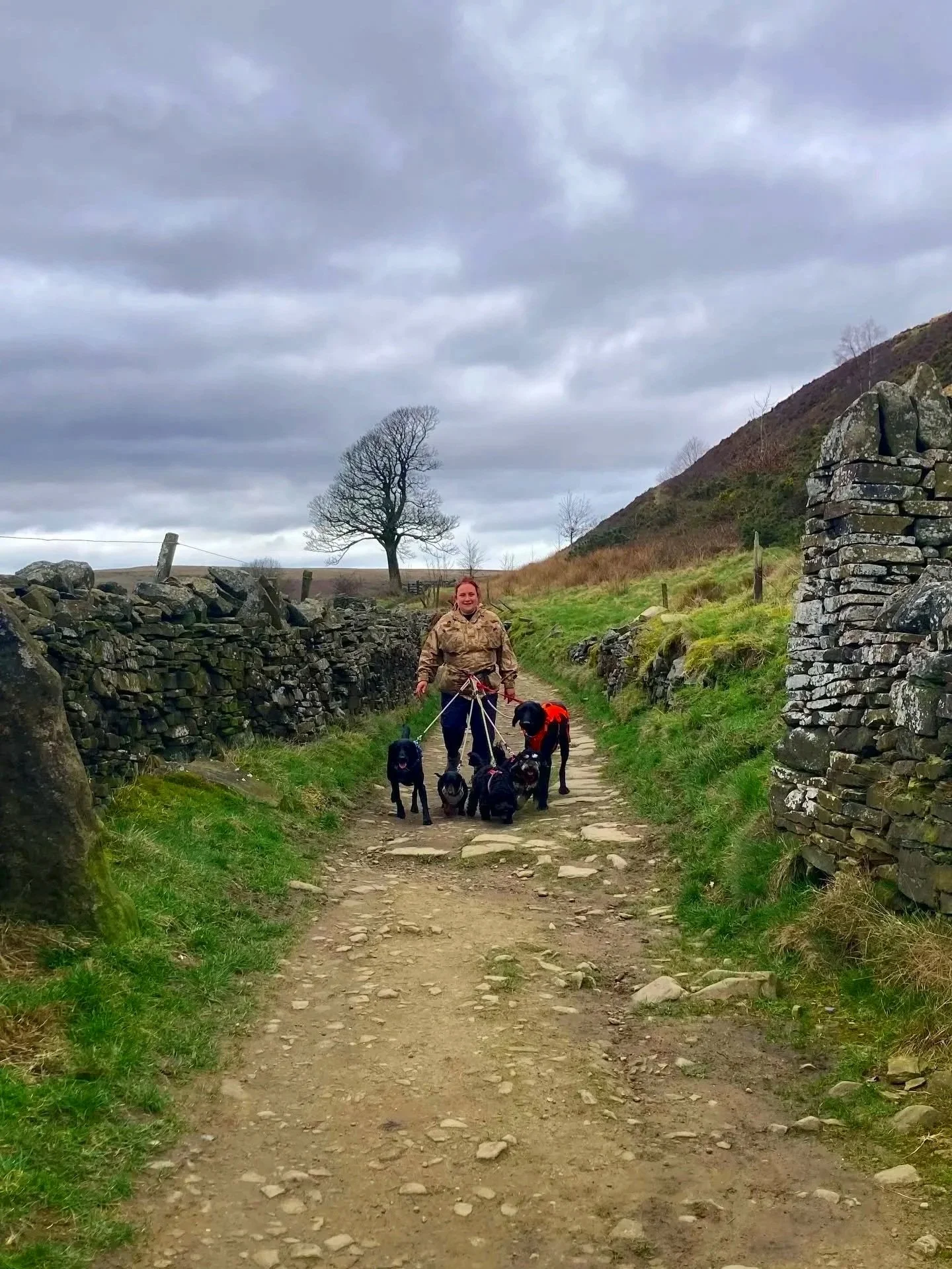
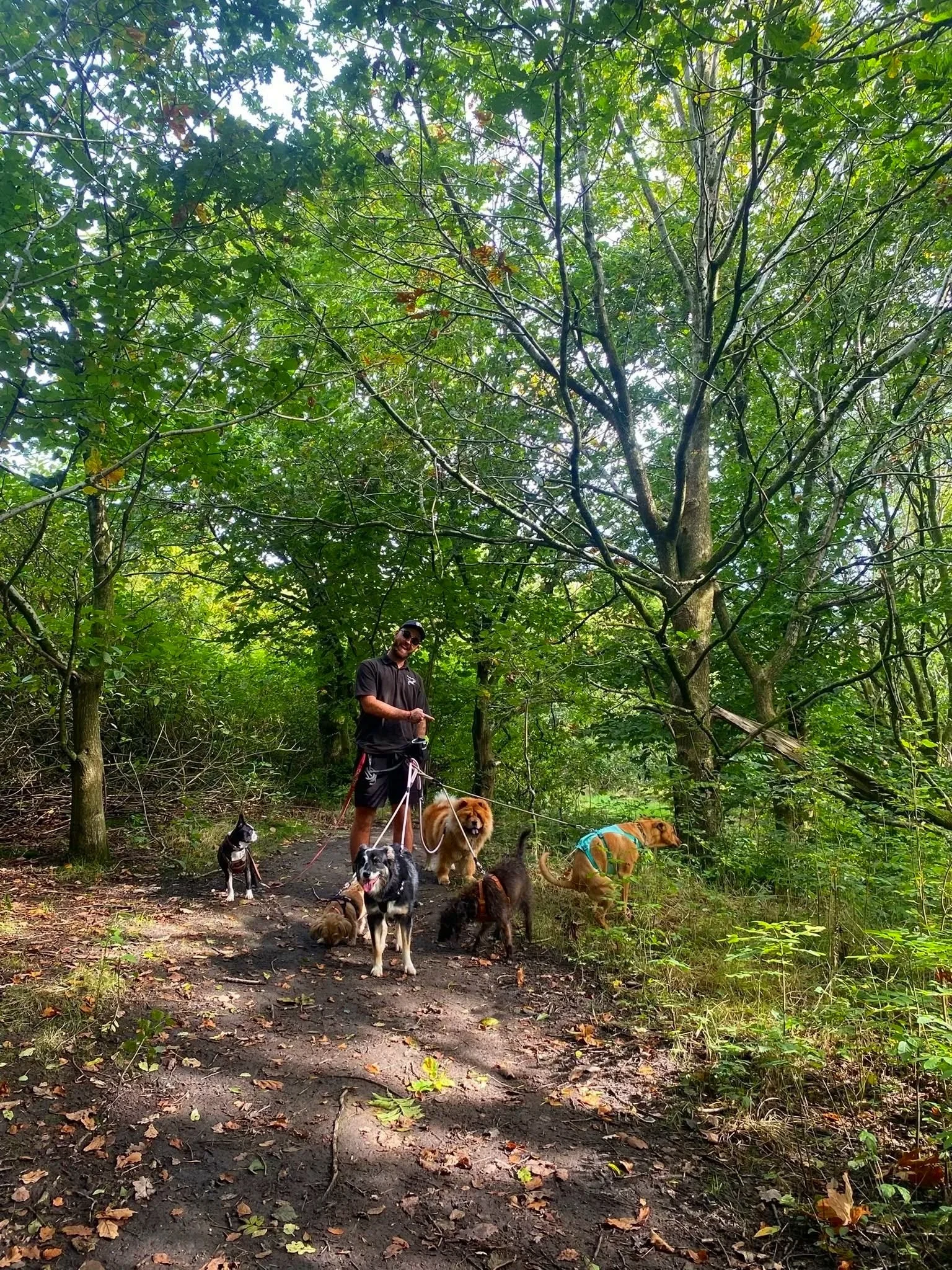
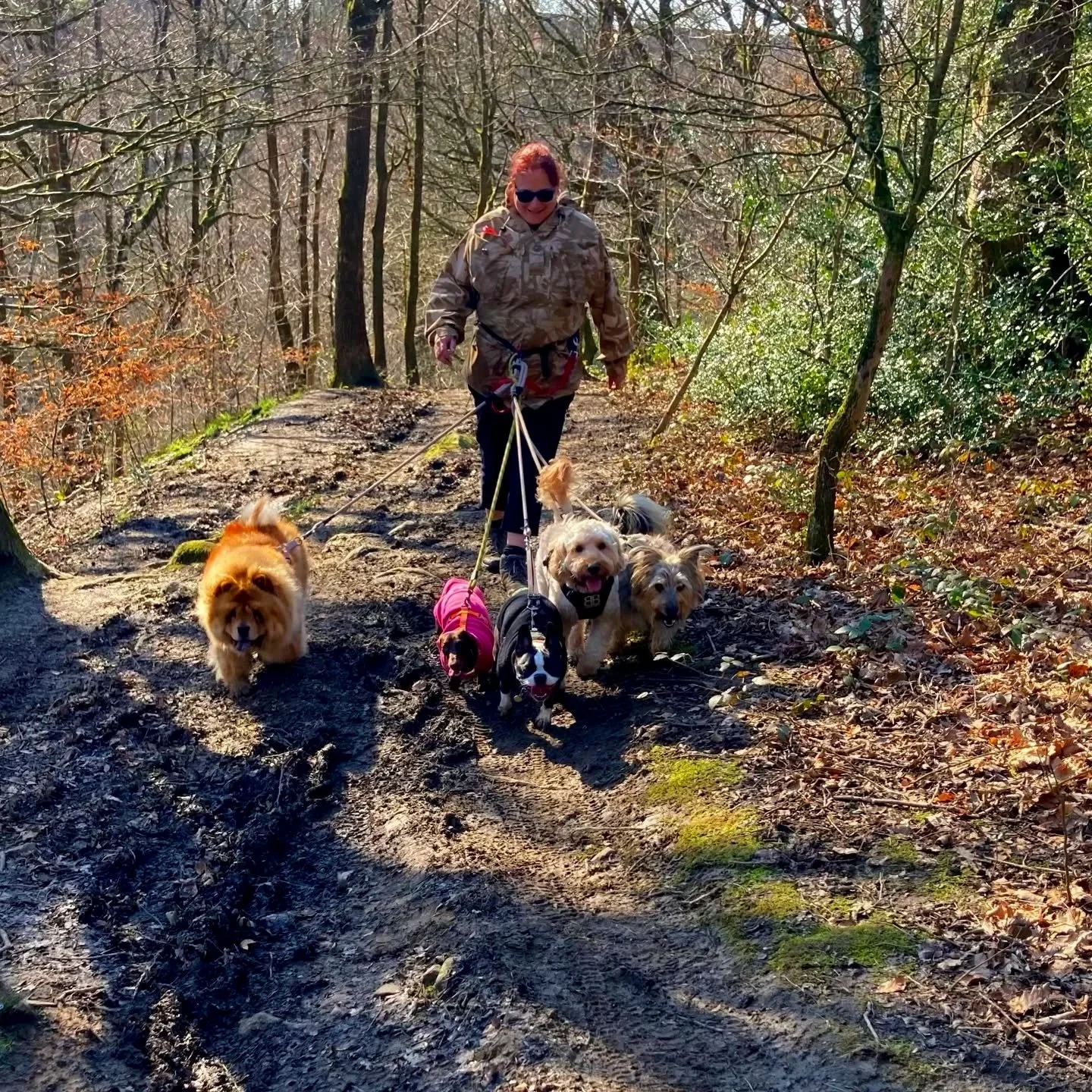
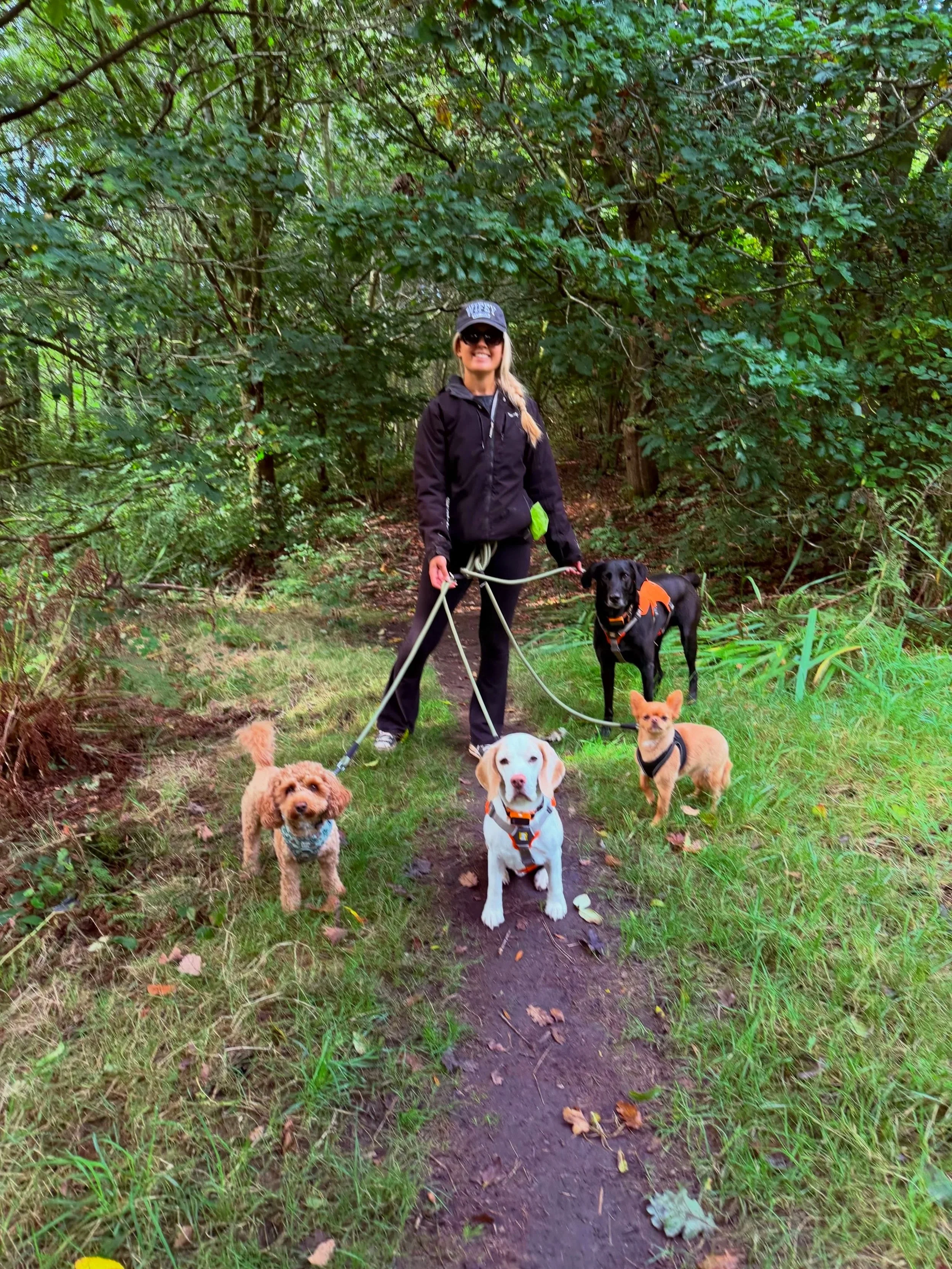
60 minute on-lead group walk with other members of the Martyn’s Mutts pack, combining both exercise and socialisation, providing mental stimulation and establishing a structured exercise routine.
How it Works
-
![]()
1. Enquire
Let us know you would like your dog to join the Mutts Mooches Pack by submitting an enquiry.
-
![]()
2. Details
Complete our Mutts Mooches form so we have everything we need to care for your dog and let us know how many mooches per week (minimum 2 per week).
-
![]()
3. Meet
We’ll visit you for a meet and greet to get to know you and your dog and confirm the details from your form.
-
![]()
4. Assess
Straight after your meet and greet, we’ll assess your dog’s group walk readiness throughout a 60 minute mooch (£40).
-
![]()
5. Training
Following our assessment, if your dog is not quite ready for group walks, we’ll arrange a course of training sessions through our Mutts Momentum training programme.
-
![]()
6. Schedule
After passing their assessment walk or their Mutts Momentum training, we’ll agree a schedule with you based on your dog’s temperament, personality and group fit. We run multiple group walks across Monday-Thursday.
-
![]()
7. Secure
Secure your schedule with a block payment (minimum block of 10 mooches = £160). Payment secures your spot on the same groups, on the same days, each week.
-
![]()
8. Mooch
Your dog is officially part of the Martyn’s Mutts pack and starts their mooches! We’ll share daily photos of your dog enjoying their walk with their fur-iends.








What’s Included?
Why Mooch on-lead?
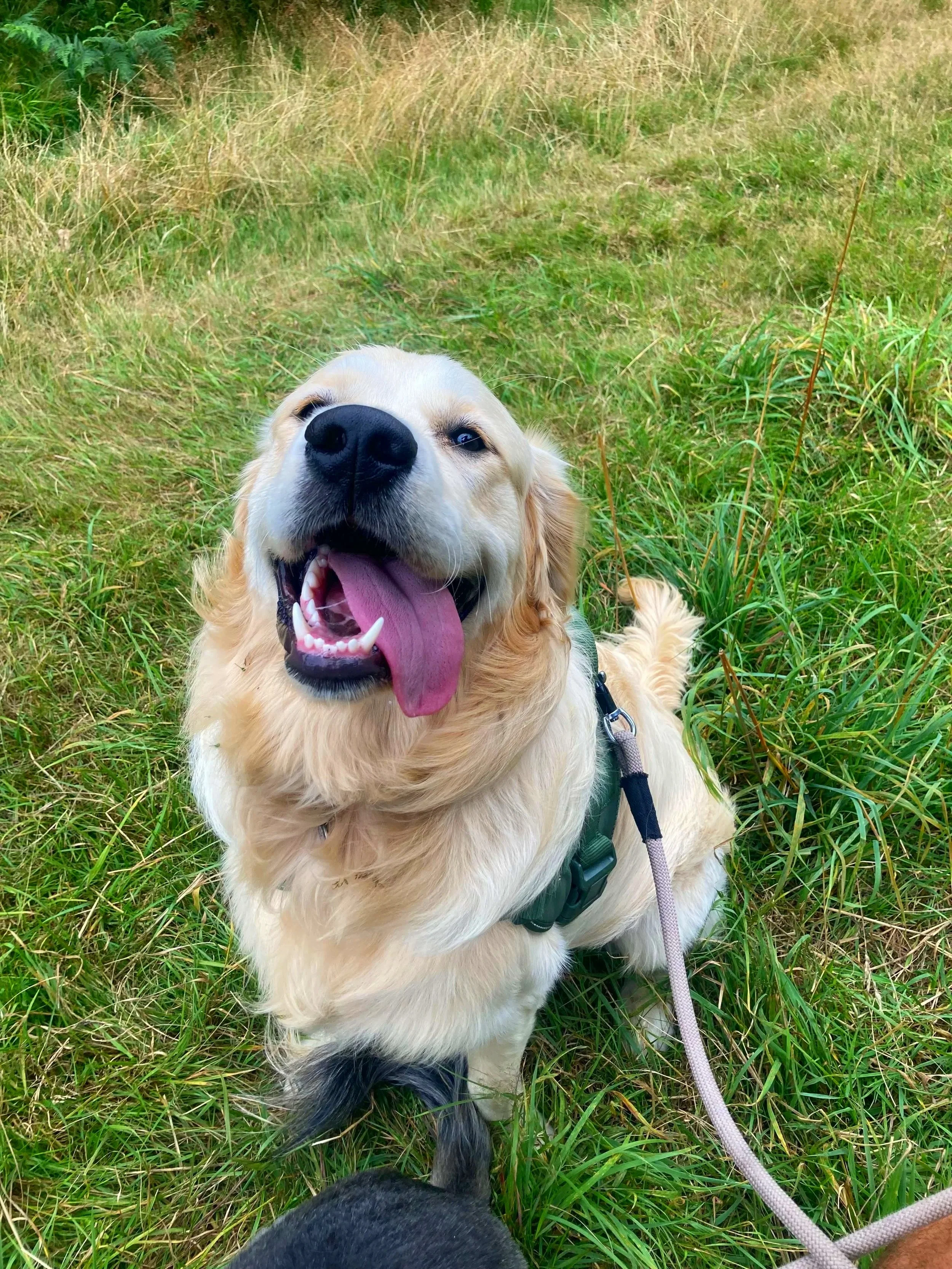
Our on-lead group walks bring together exercise, sniffing, exploring and companionship, with each dog’s wellbeing at heart. Walking together on-lead in carefully matched groups gives dogs time to enjoy each other's company, play and interact, without the pressure. Staying on lead helps us manage space, support individual needs and keep everyone safer, while respecting wildlife and other humans and dogs sharing our paths. There’s still plenty of adventure and lots of time to stop and sniff along the way.
Pricing
What if my dog isn’t ready for Group Walks?
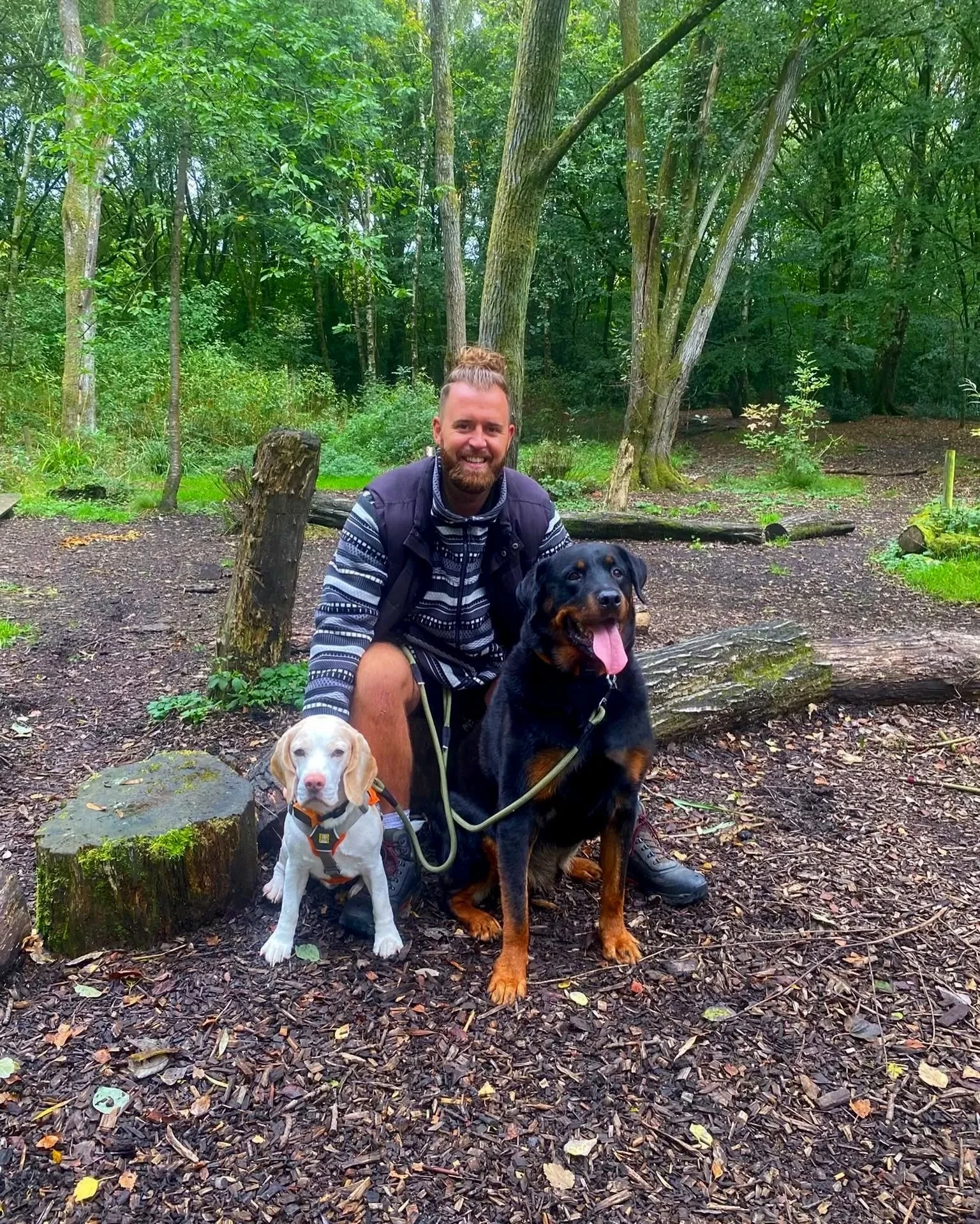
Lot’s of dogs aren’t quite ready for a group walk straight away, particularly younger dogs or those who have not walked as part of a group before. We’ll let you know the results of our assessment walk and if there are any areas we need to work on first to get your dog group walk ready. Our Mutts Momentum training courses are designed to help your dog learn the basics, such as loose lead walking, spatial awareness and social skills. Each course is tailored to the needs of each dog, so we don’t prescribe a certain number of sessions. We’ll work with you to develop a personalised training plan.
Why do I need an Assessment Walk?
We’ll assess your dog’s group walk readiness, personality and temperament during their assessment walk. This includes a period of solo walking before slowly introducing Bernie, our stooge. This gradual introduction assesses your dogs response to another member of the Martyn’s Mutts Pack in a controlled environment. Assessing your dog’s group walk readiness ensures we don’t put them in a situation they’re not ready for. It also gives us the opportunity to learn their personality and temperament: shy, confident, calm or playful, and match them to the best group.

Providing walking services in the following areas across the North-West:
Ramsbottom
Summerseat
Greenmount
Holcombe
Tottington
Haslingden
Helmshore
Rawtenstall
Irwell Vale
Edenfield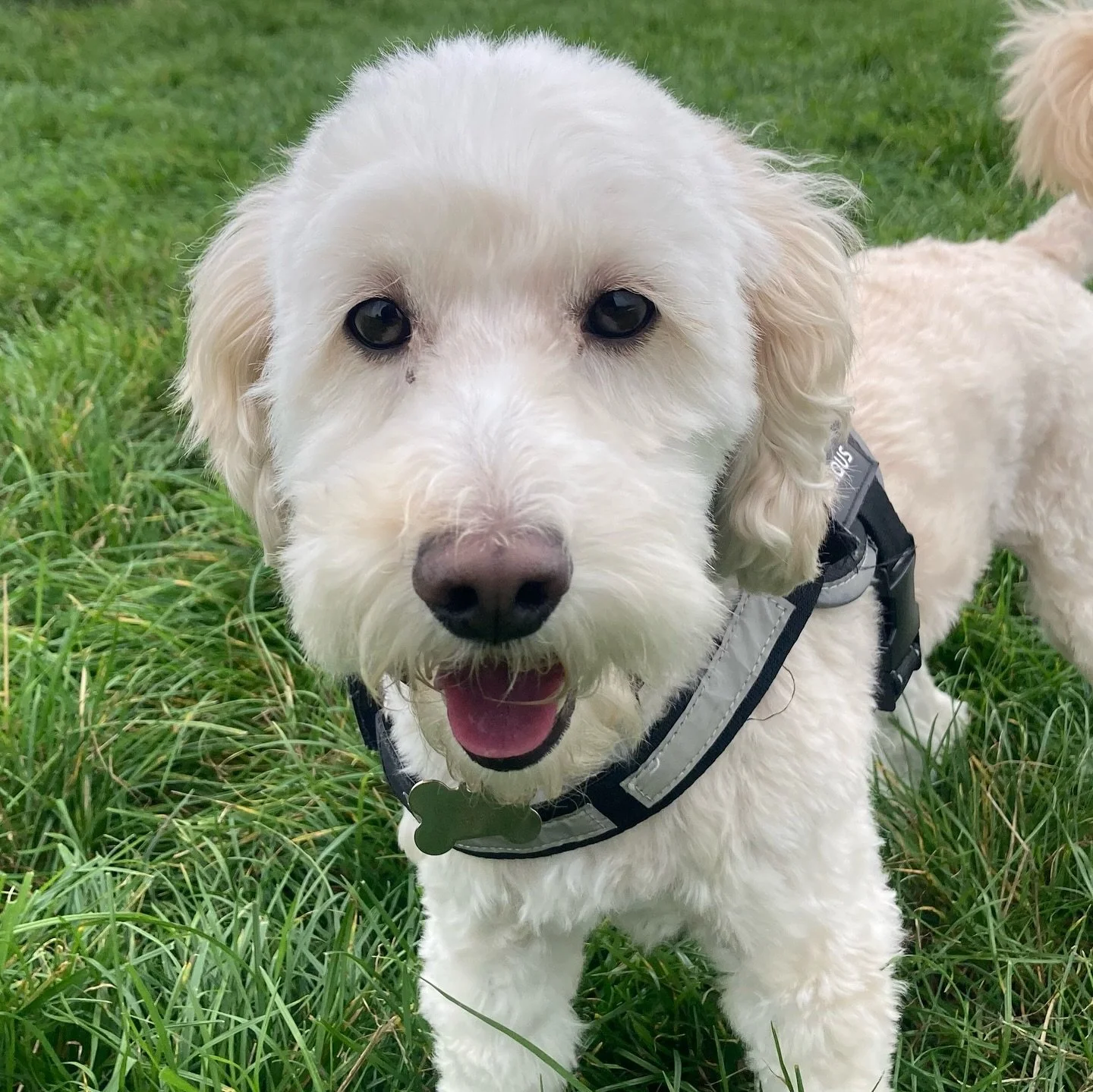

Loki’s Mum, Amy
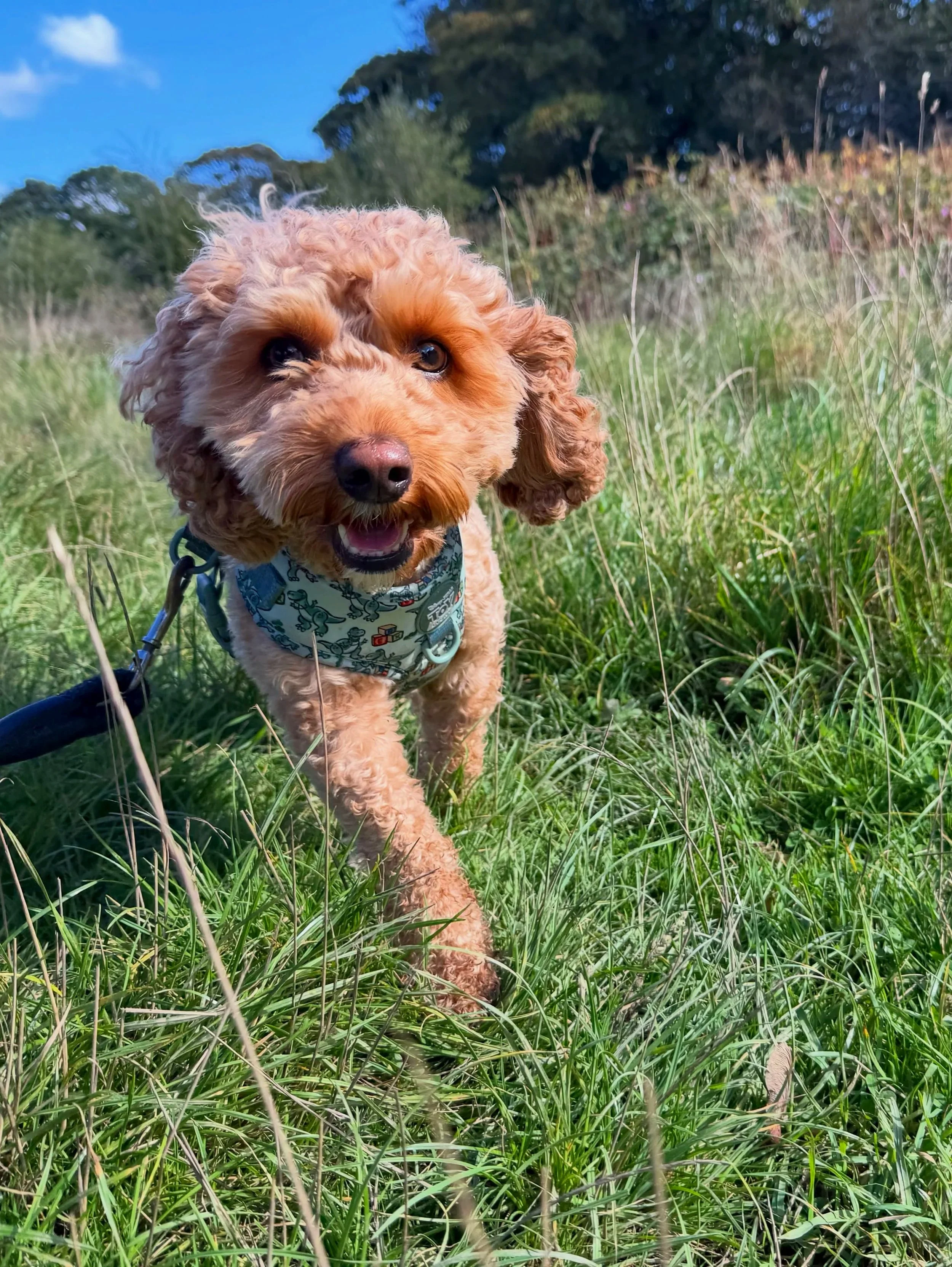
“My excitable cockapoo, Loki, has been walking with Martyn’s pack for a year now and honestly choosing him as our dog walker was the best decision we could have made for our boy. ”
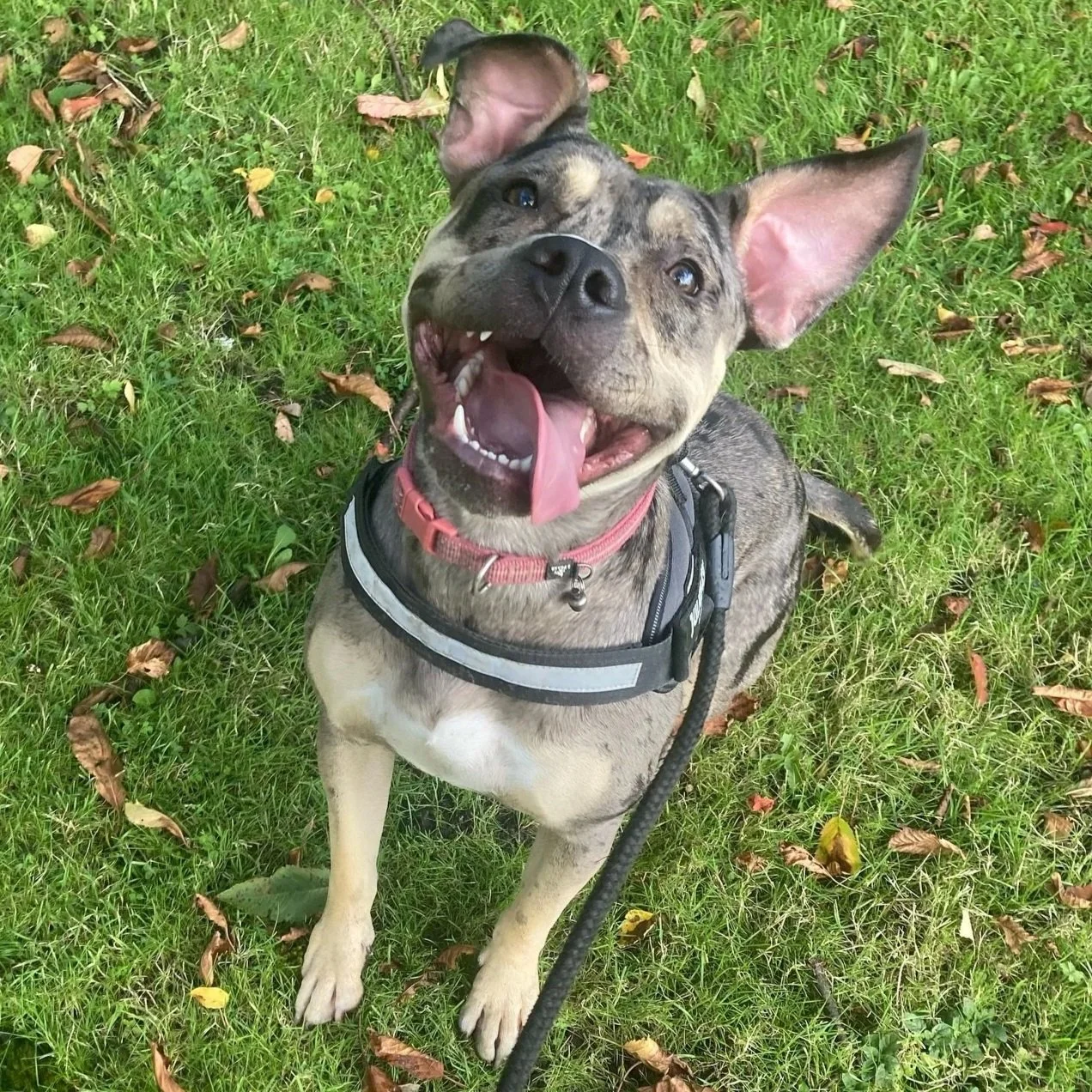

Nola’s Mum, Katie
“I’ve had lots of different experiences with dog walkers and when we found Martyn and his pack we knew instantly that Nola would be treated as we would treat her, having lots of fun with friends and most importantly, safe on her walks.”
Meet our Moochers:
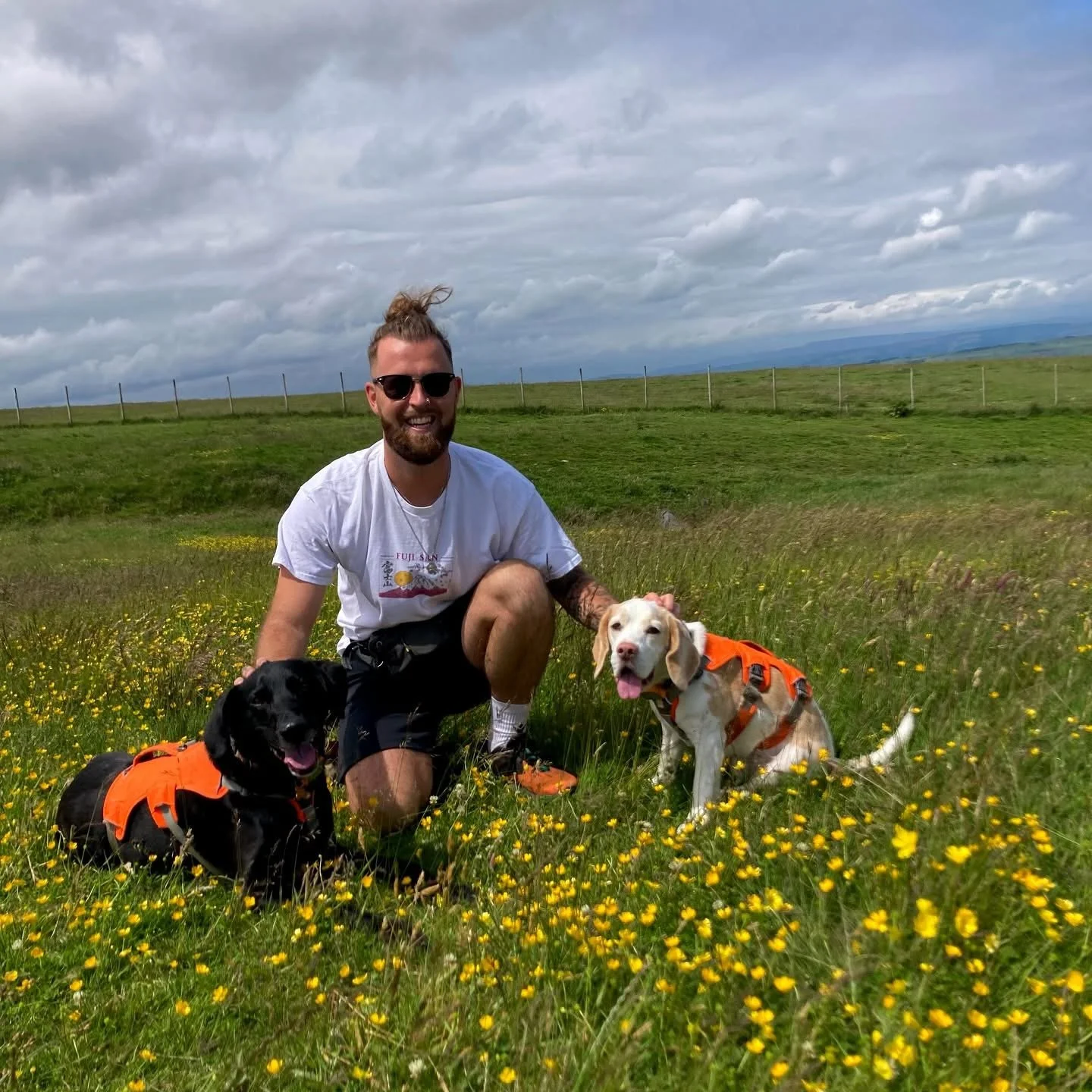

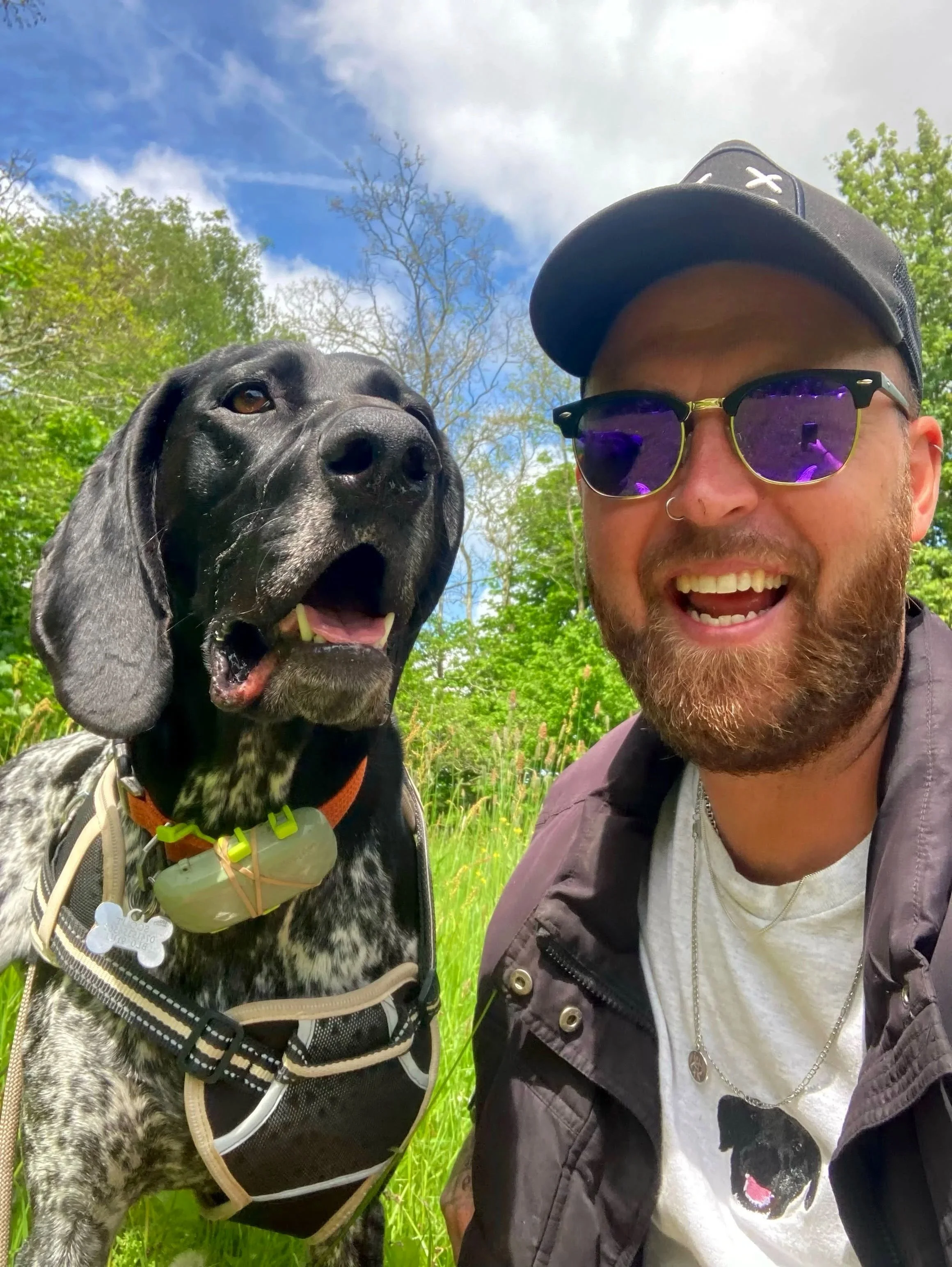
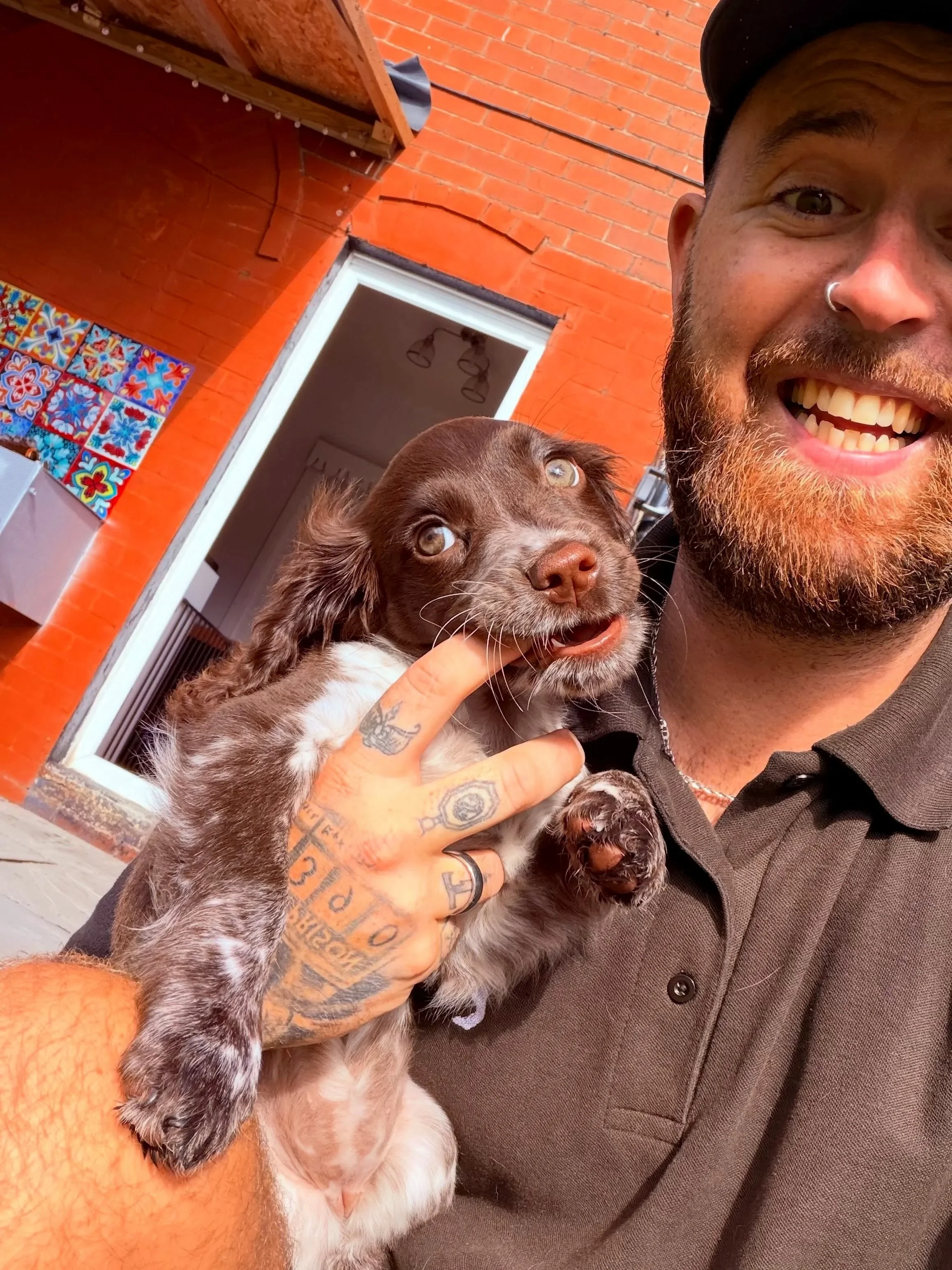
Leader of the Pack and founder of Martyn’s Mutts, Martyn built the business on knowledge, experience and a welfare-first philosophy. Beyond the expertise, he is known to clients as a fun, approachable and loving handler who brings positivity to every walk and consultation. Whether it is guiding new rescues, managing group walks or coaching aspiring dog walkers, Martyn blends professionalism with a good dose of humour and heart.
Fun Fact: Swears he can tell which dog is who just from their bark or the tapping of their toe beans.
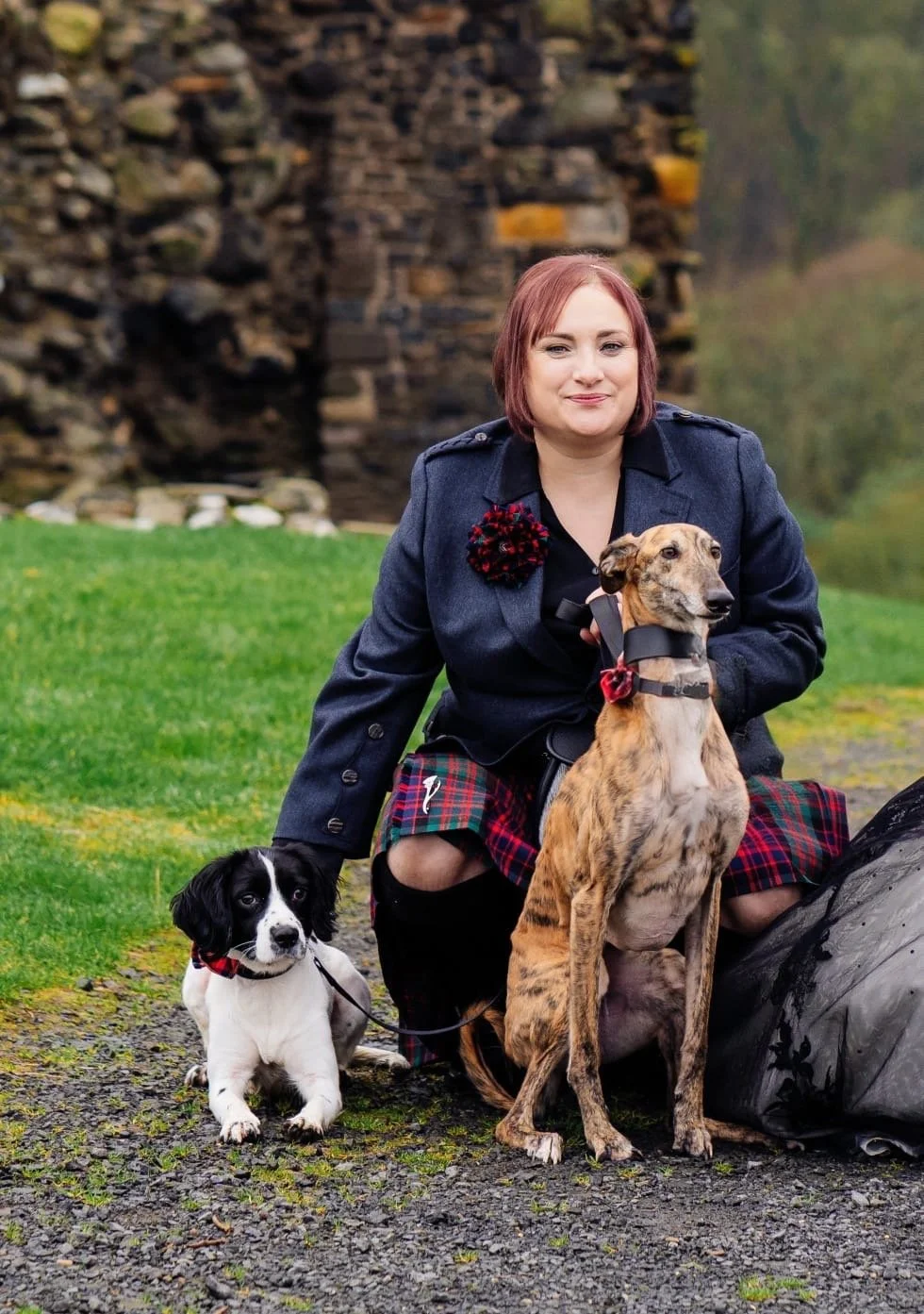

Gentle, compassionate and full of heart, Amie’s caring and steady nature help every dog feel safe, understood and valued on their on-lead adventures. Whether its guiding shy dogs through new experiences or encouraging positive social interactions, Amie’s calm consistency helps them grow with every Mooch. A lifelong dog lover, Amie shares her home with Indie and Yaco, once part of the Pack with Martyn, and regularly fosters dogs from abroad to help them find their forever homes in the UK. Her experience supporting rescue dogs gives her a special understanding of patience, trust and confidence building qualities that shine through in every walk she leads.
Fun Fact: Gives the best post-mooch ear scratches.


The creative brain at Martyn’s Mutts. Tarsha makes sure everything looks and feels just right, from the website and branding to engagement ideas that keep our clients in the loop. Known for an eye for detail, an organised approach and warm communication, she keeps the whole pack running smoothly. Out on our Mutts Mooches, that same care and attention shine through as she regularly supports the team with our on-lead adventures. Known as Auntie T to the Pack, Tarsha takes the time to get to know each dog, offering reassurance to those who need a little encouragement to sharing in the fun with those who like to be a little more playful.
Fun Fact: Can turn a muddy paw print into a design idea in under 30 seconds.
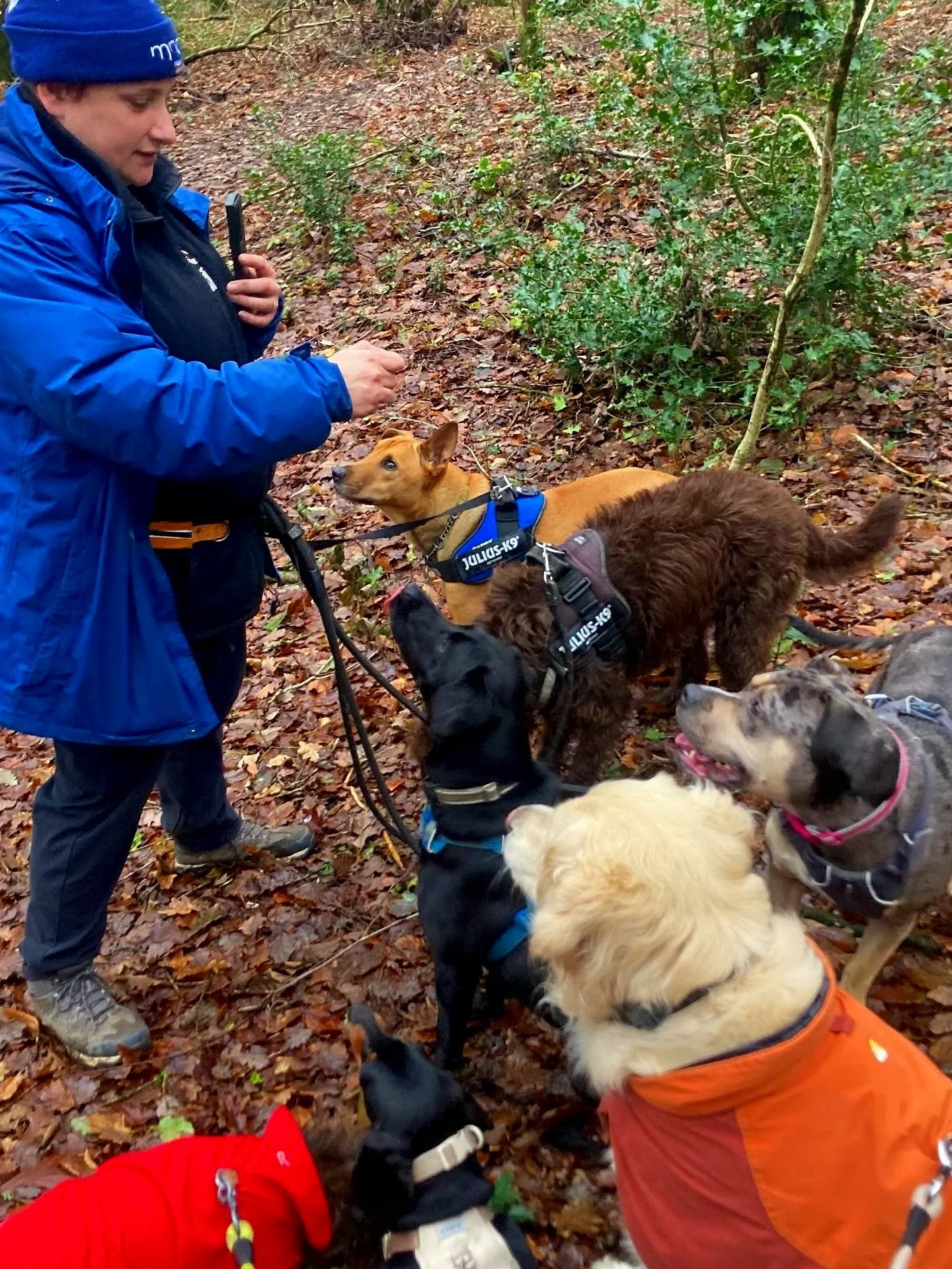
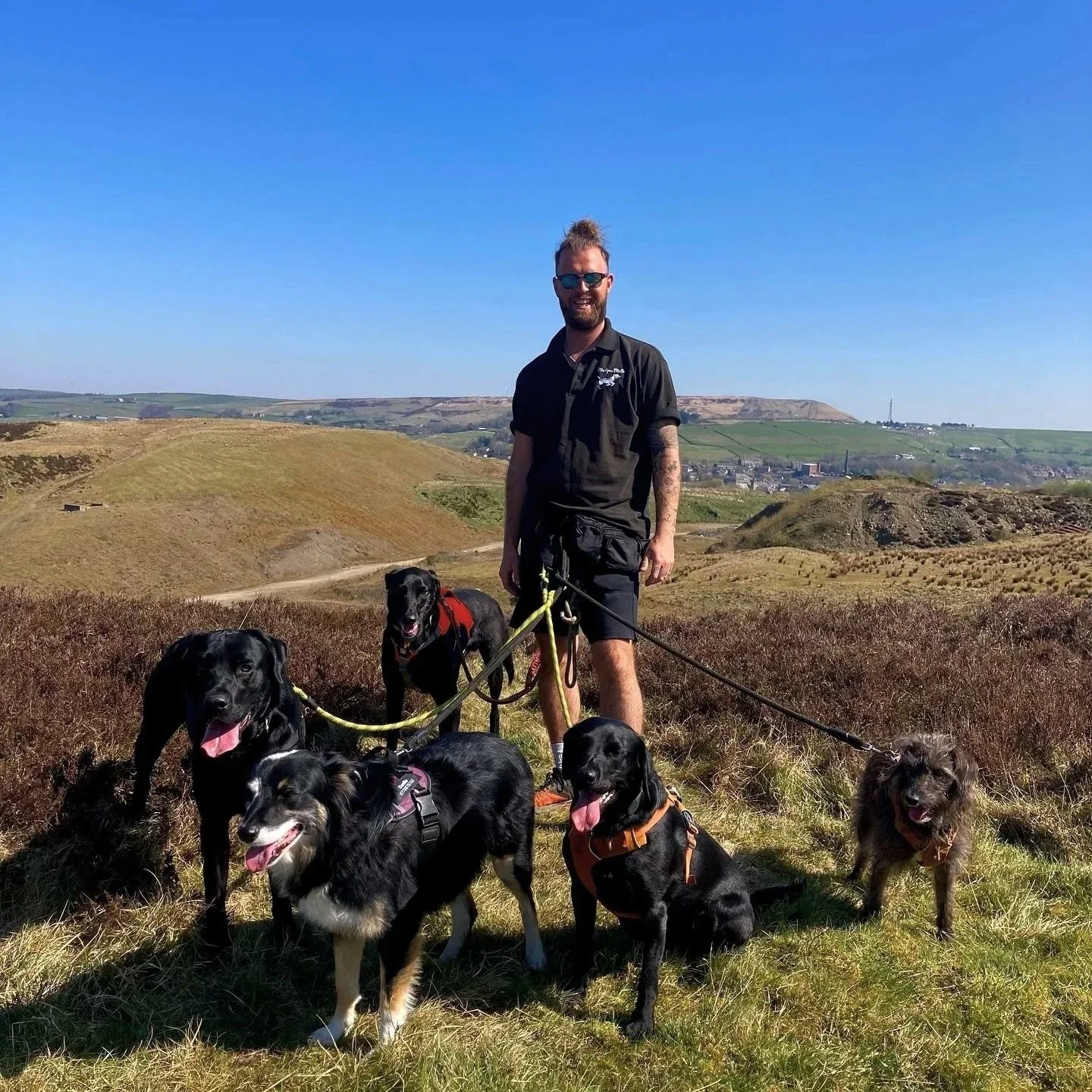
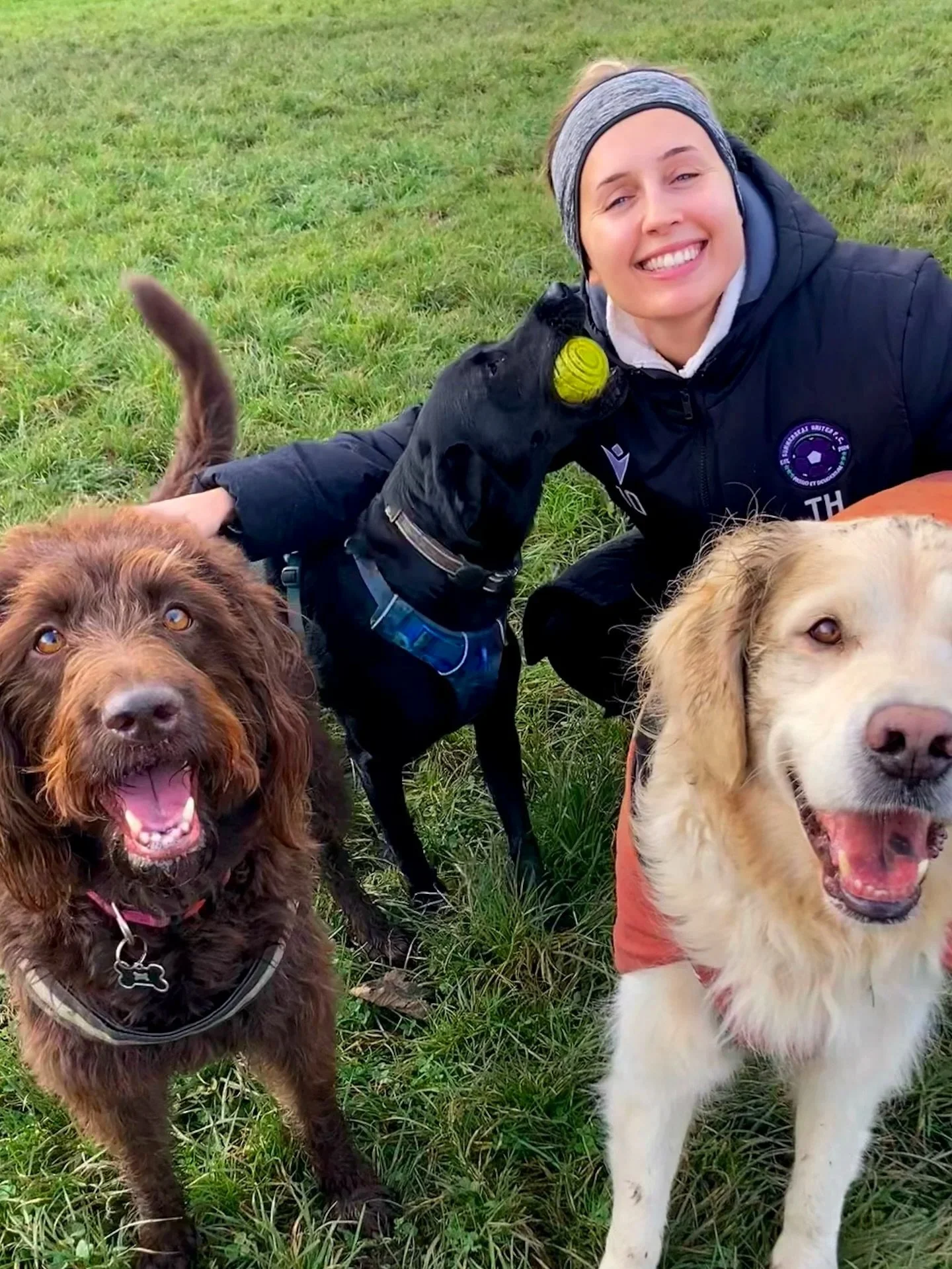
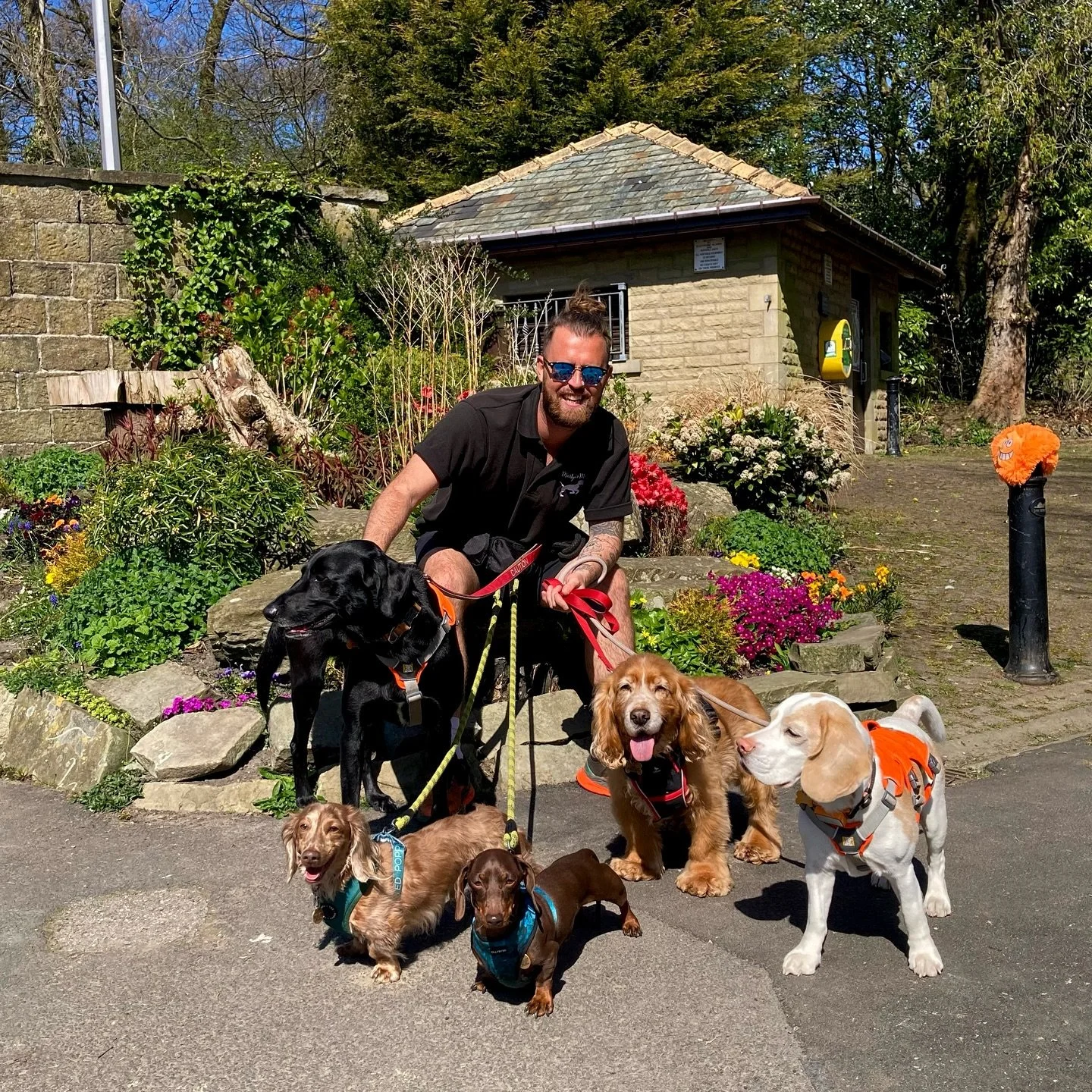
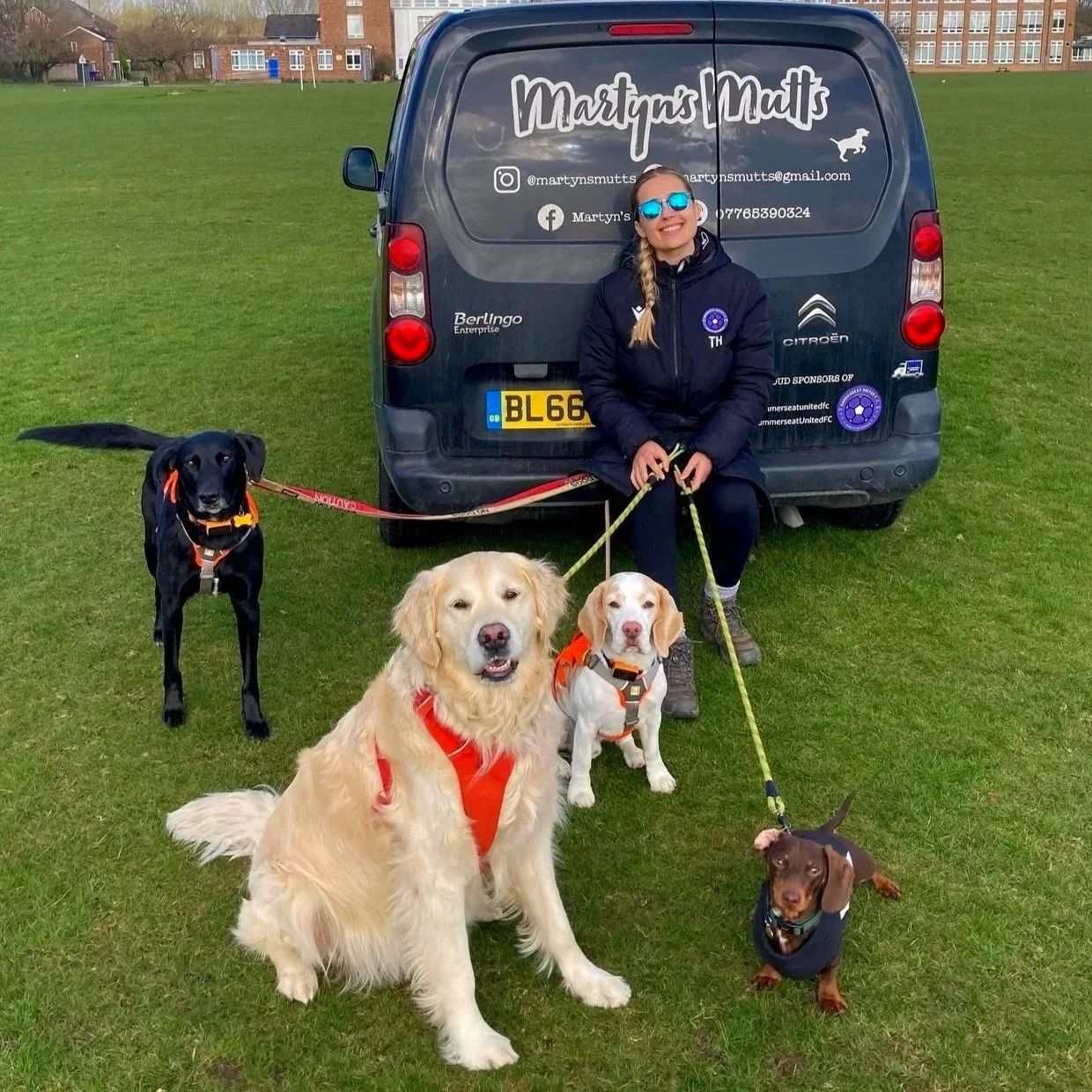
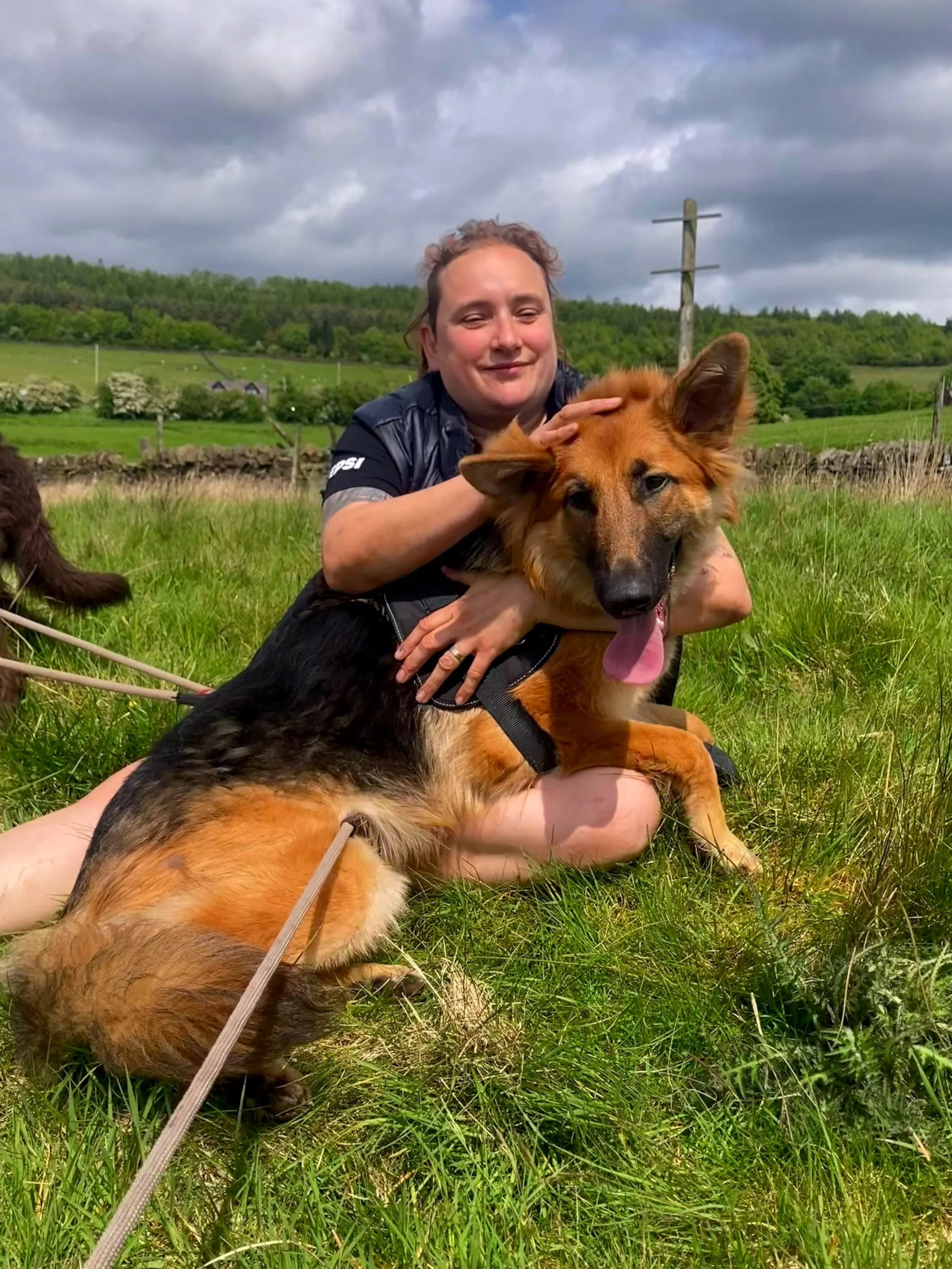
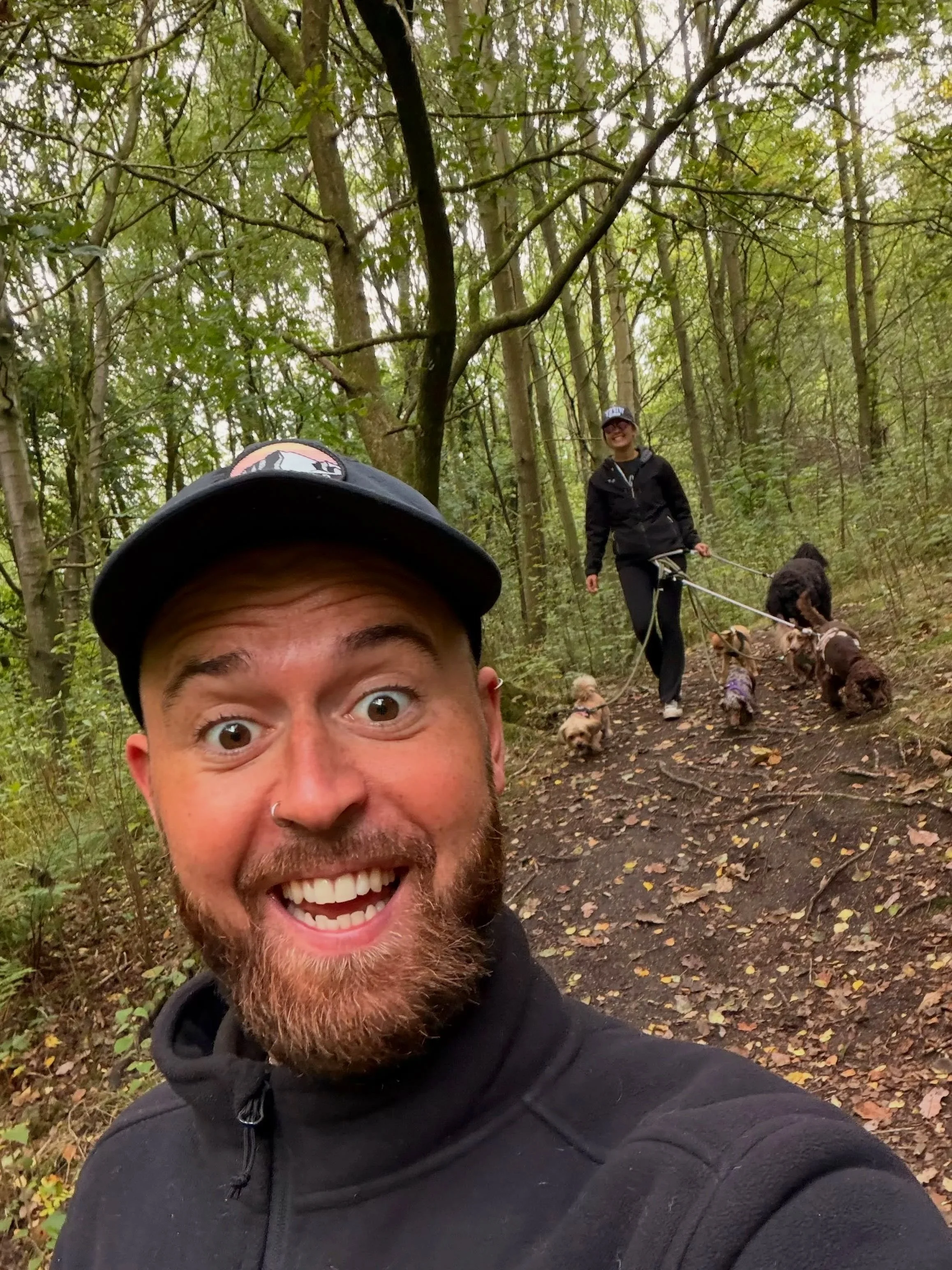
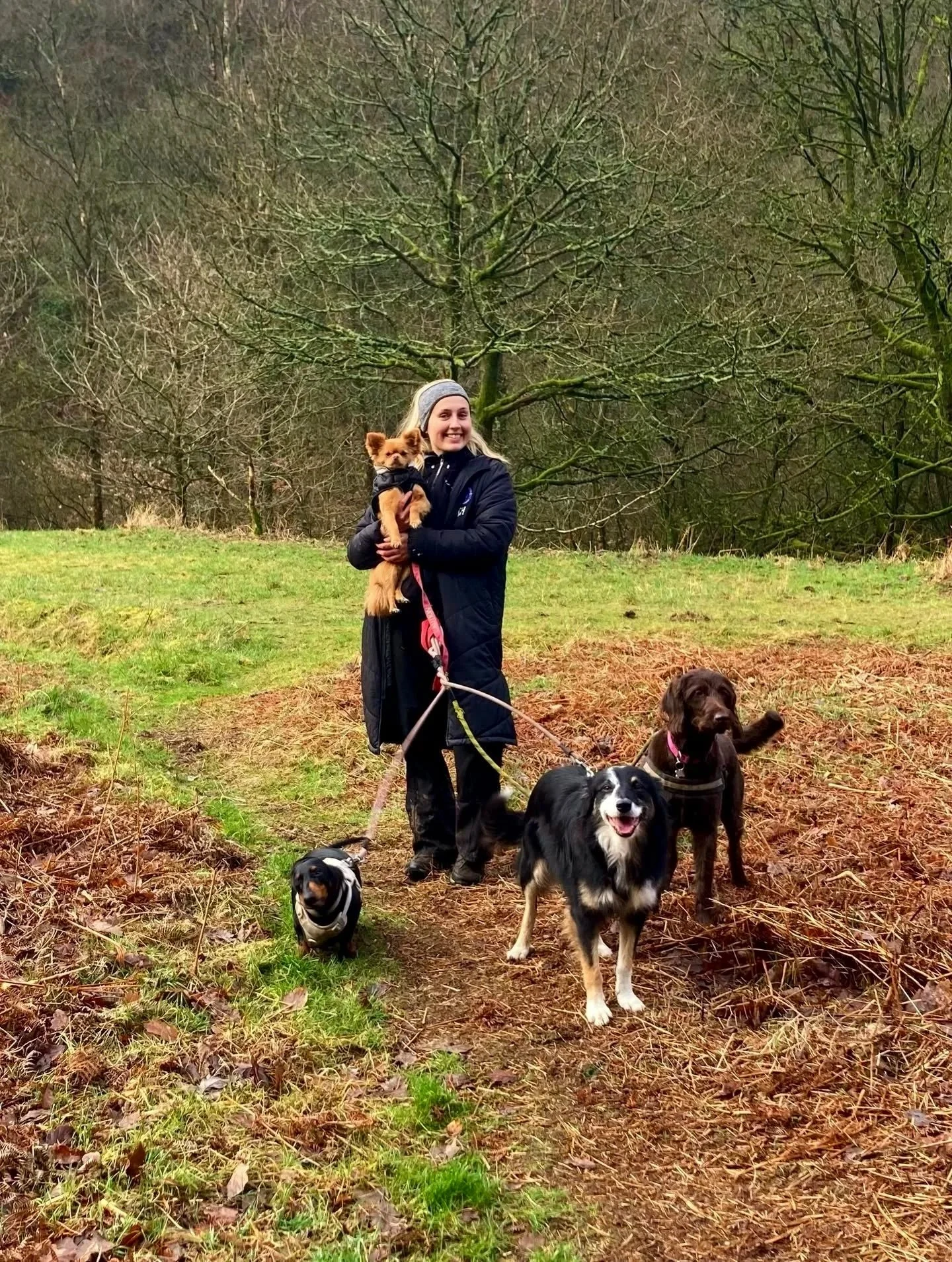
Gallery
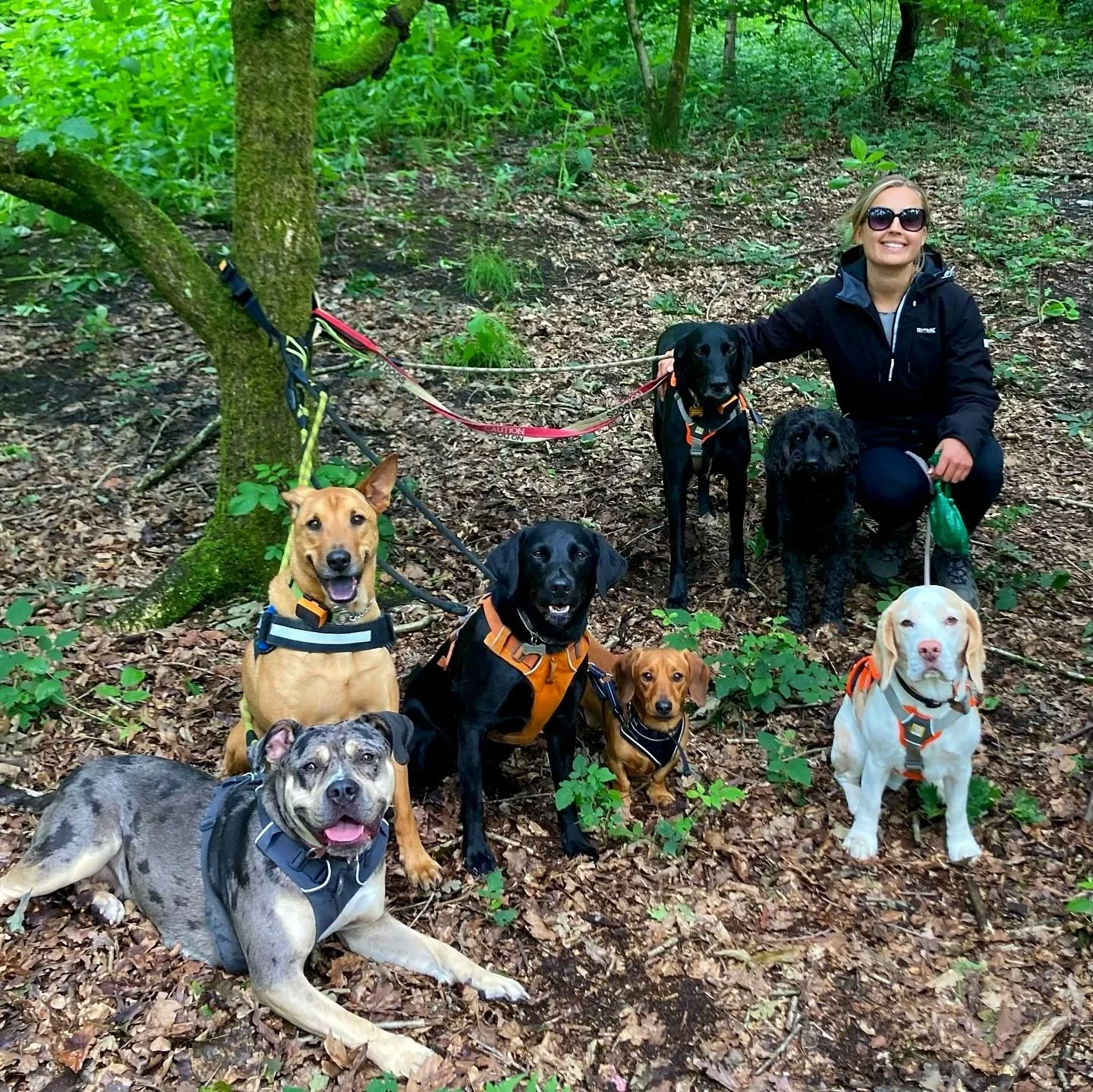
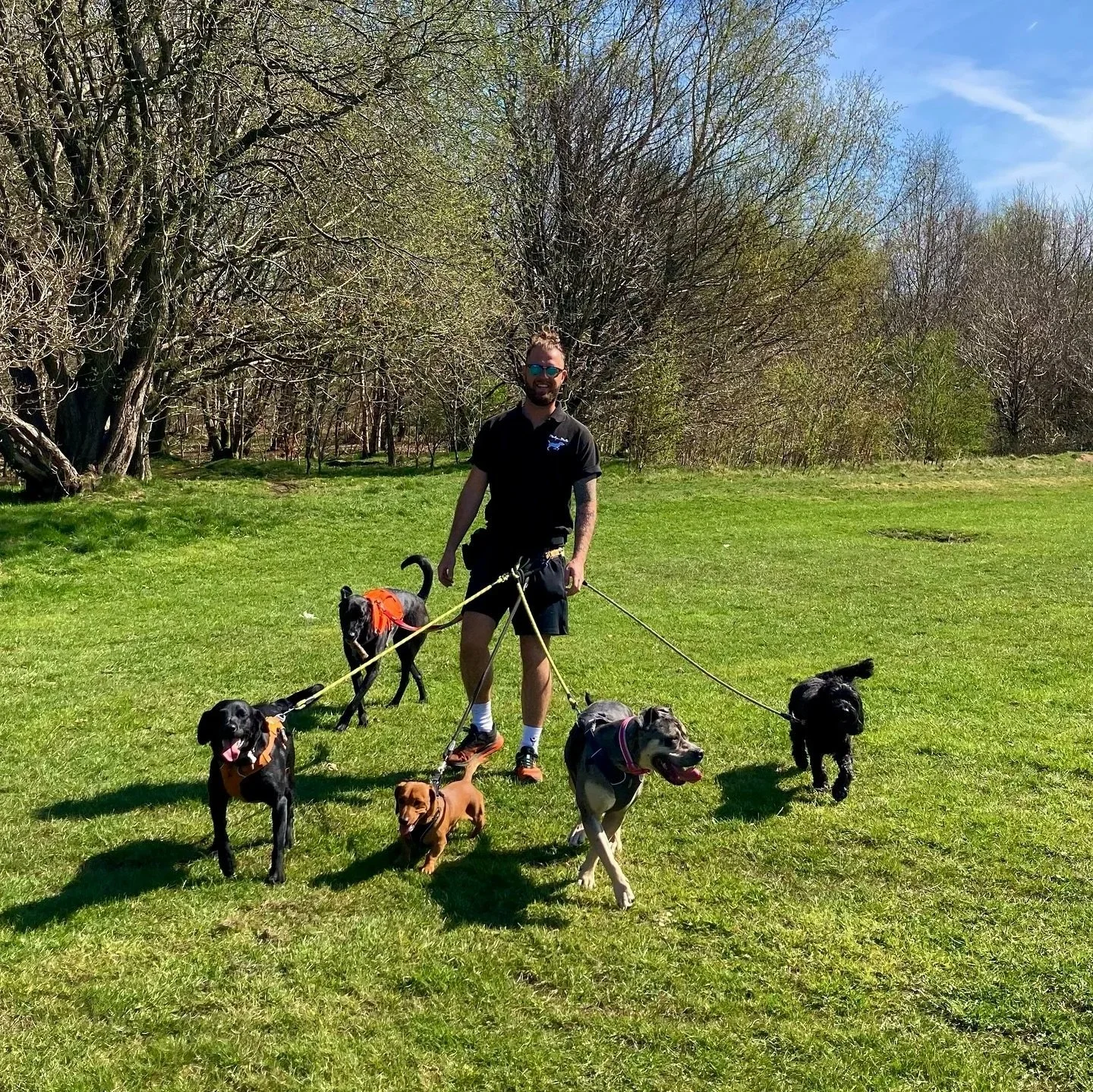
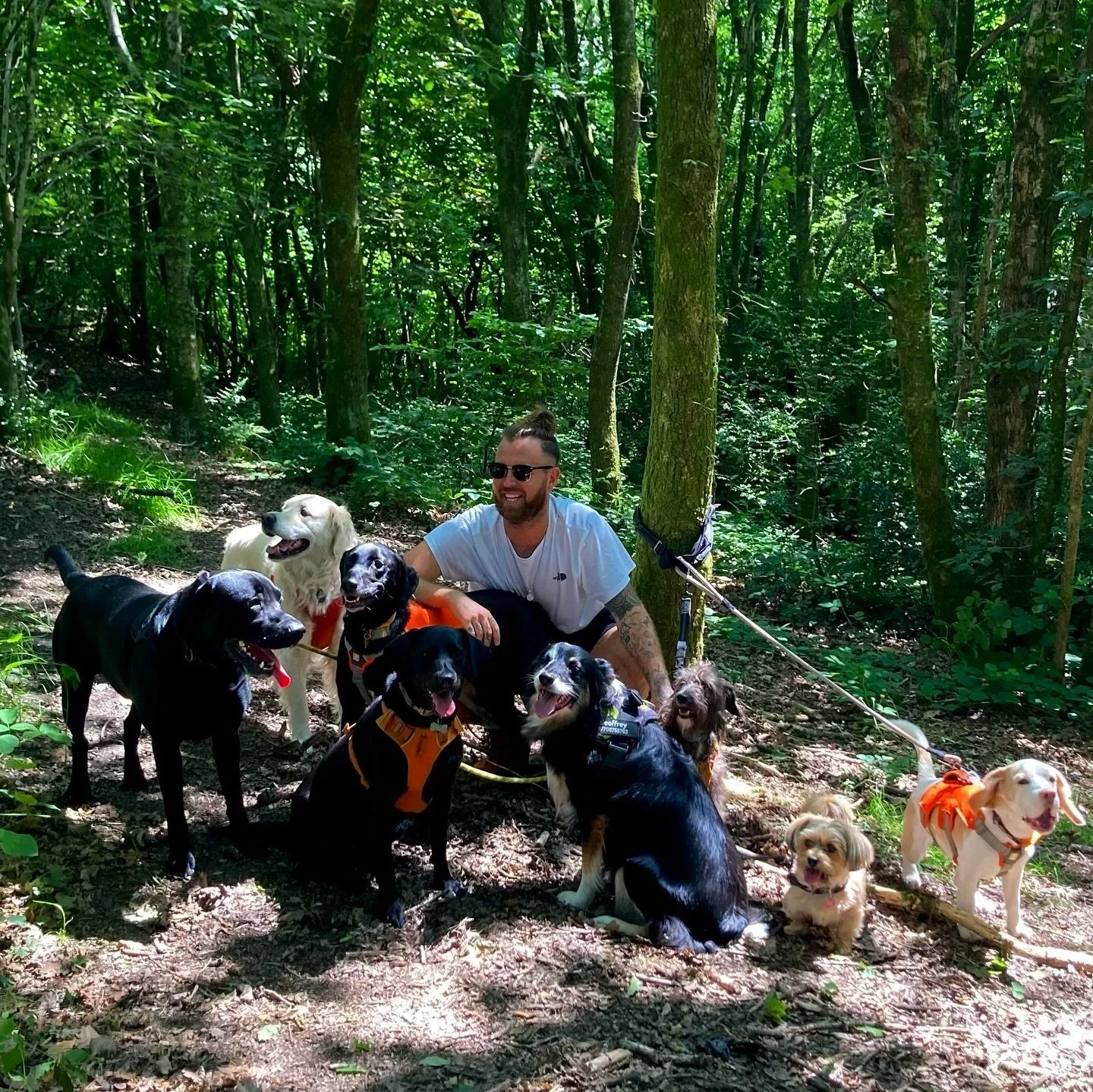
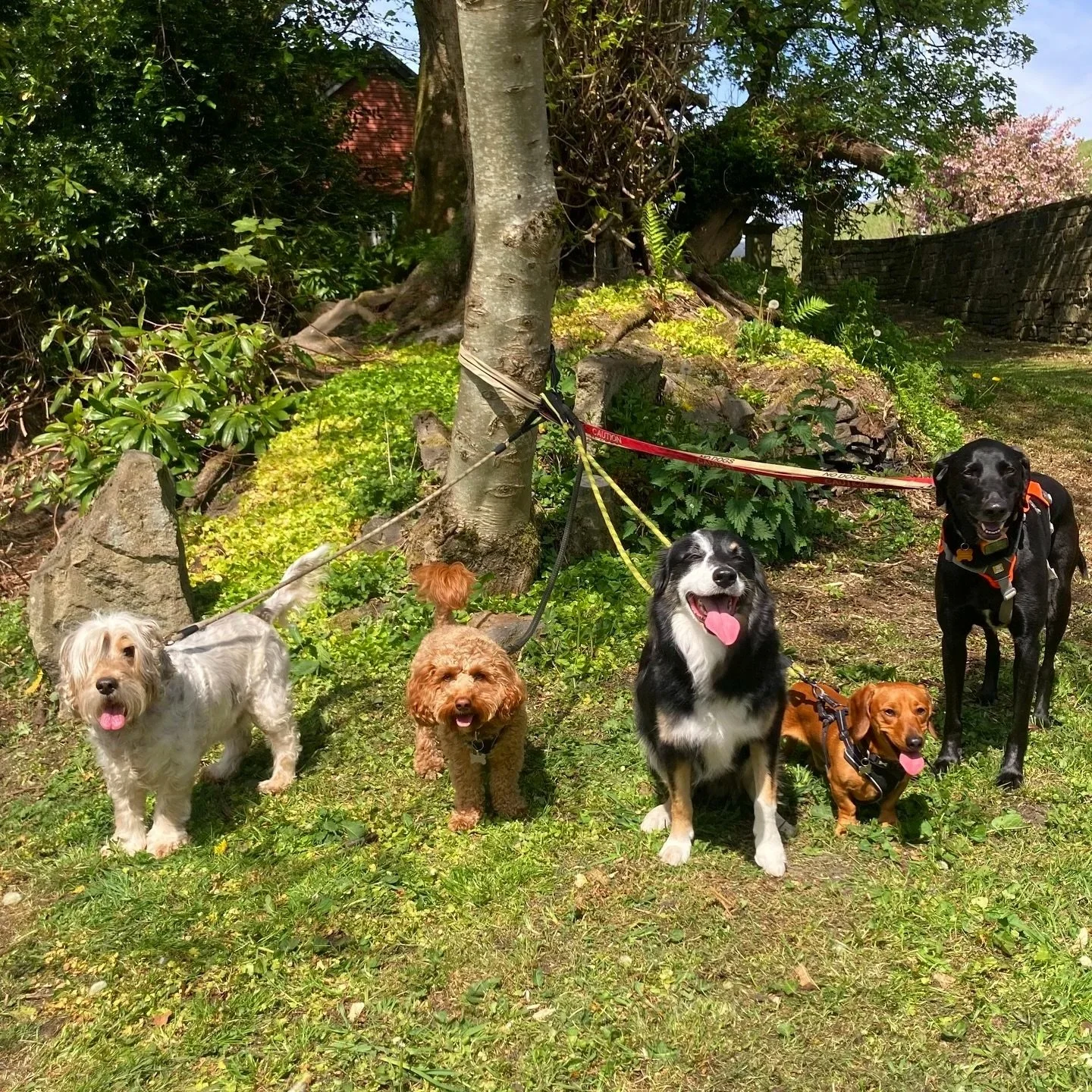
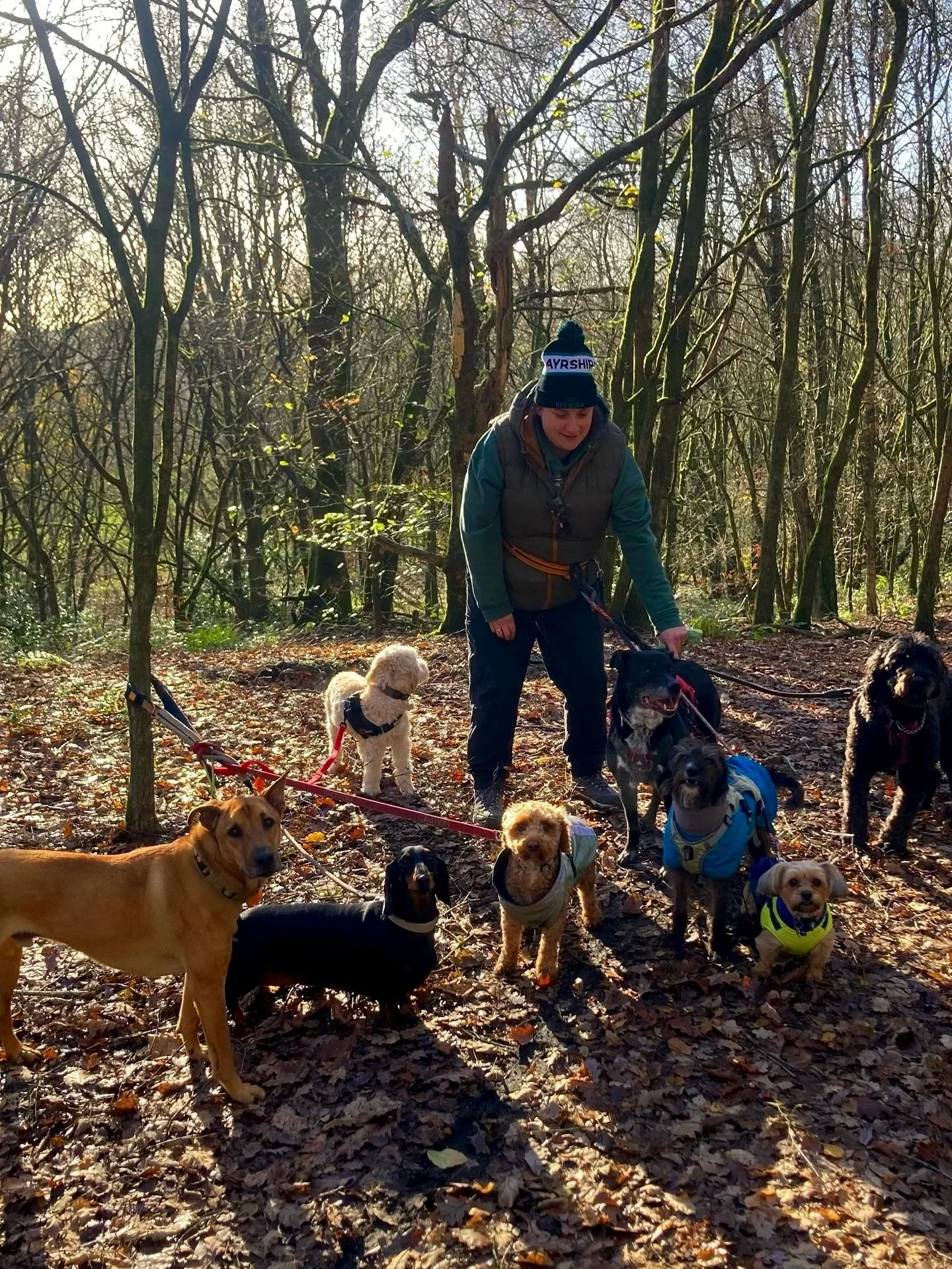
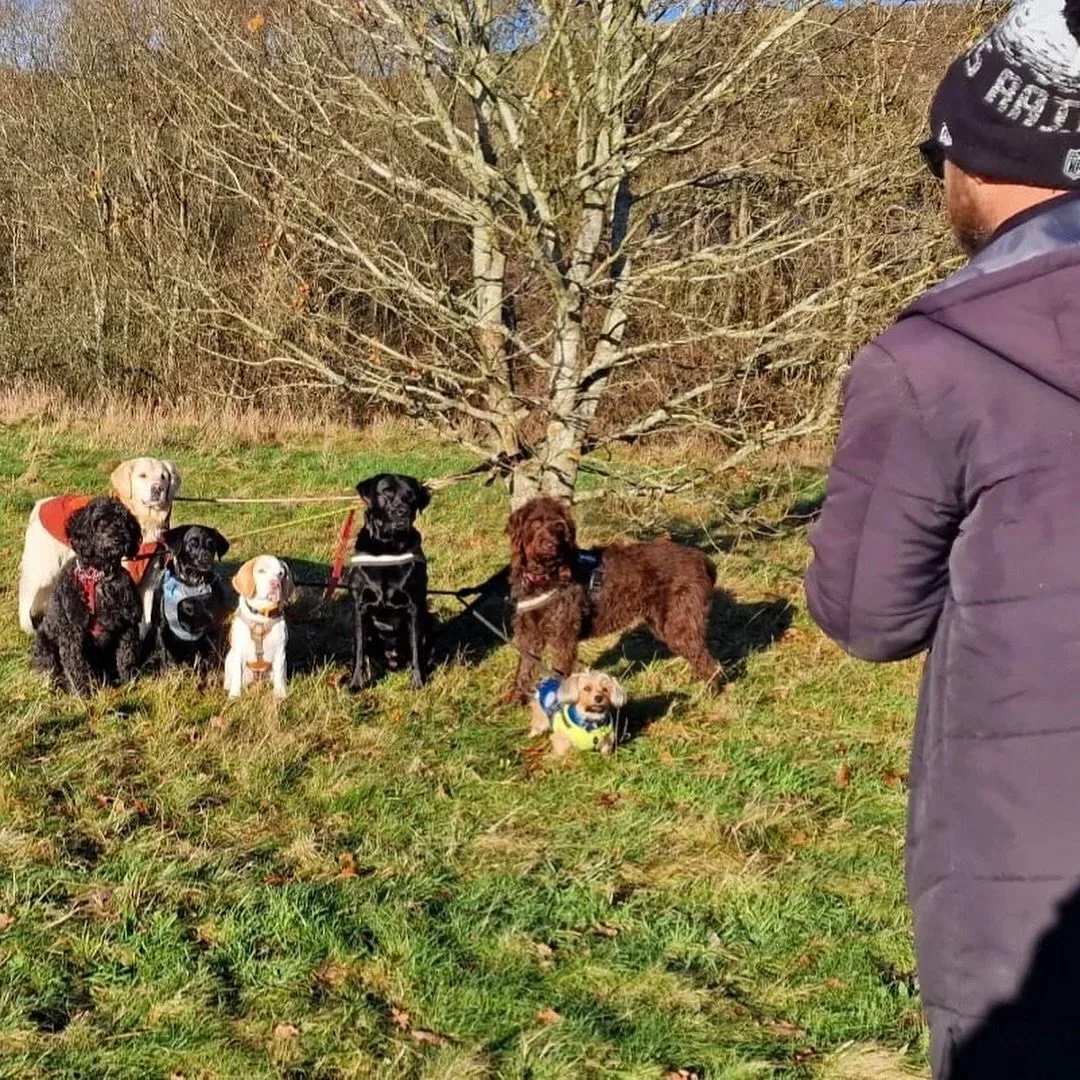
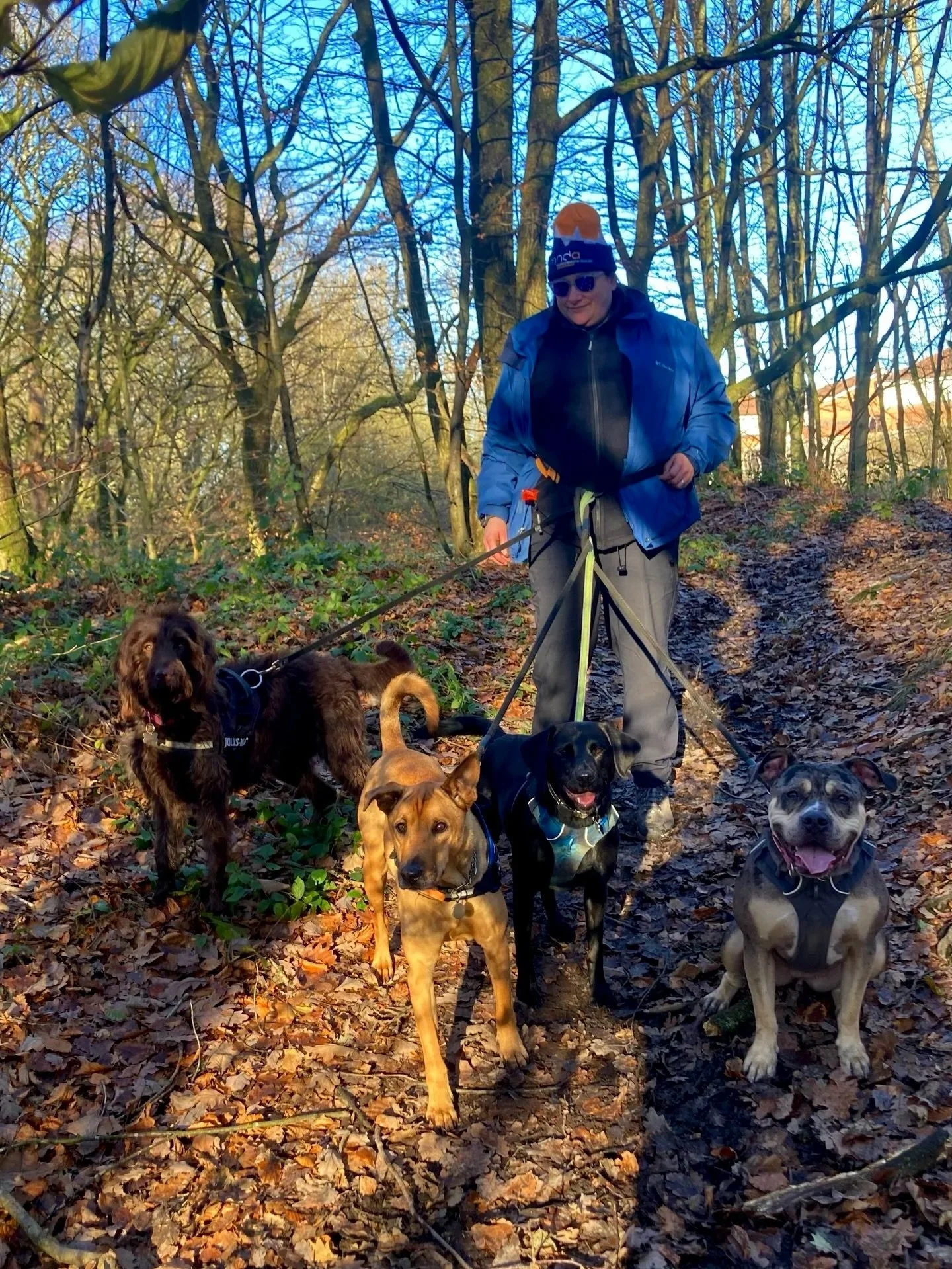
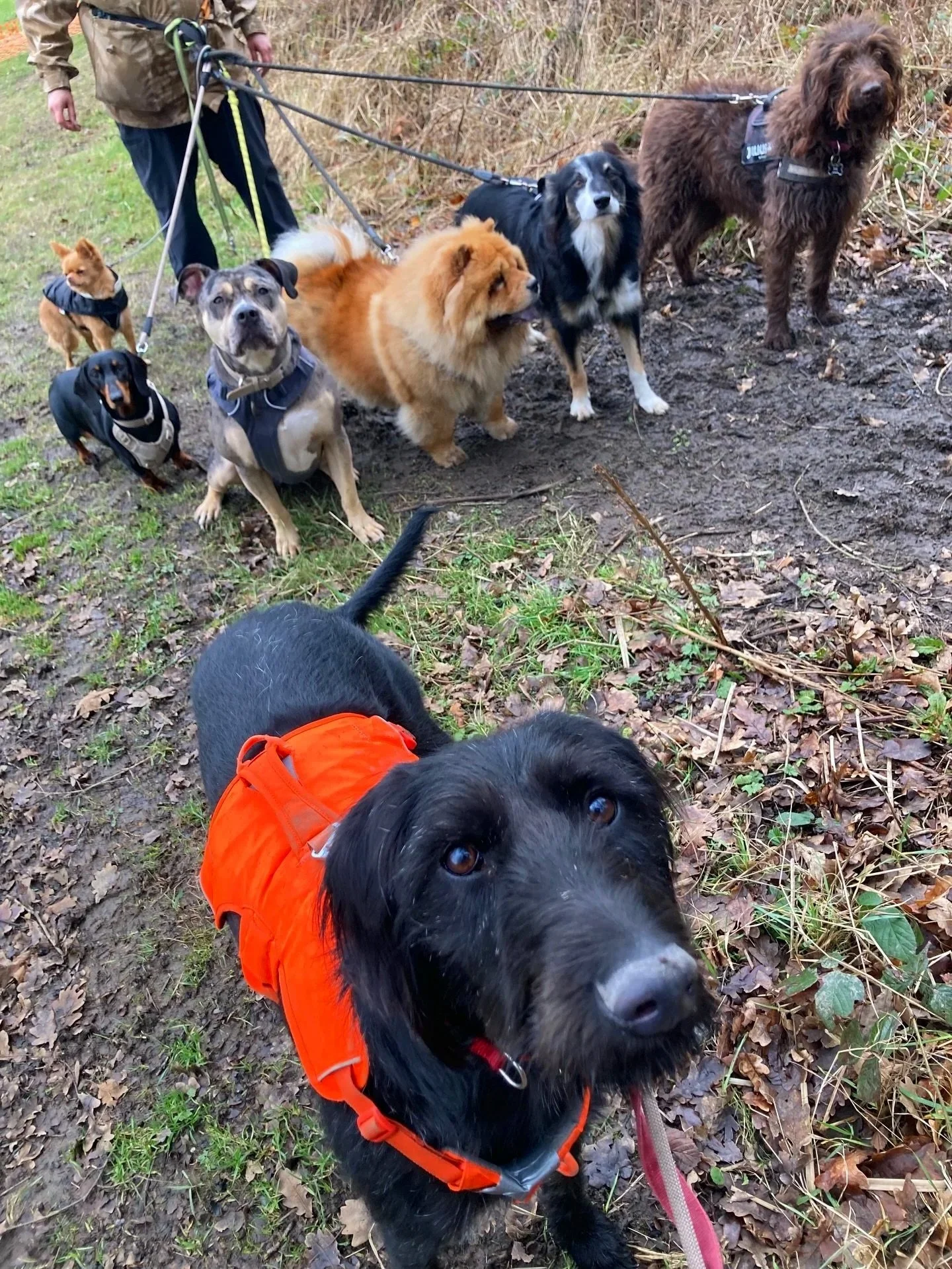
Finn’s Mum, Kath
“Since meeting Martyn the difference in my boy is remarkable. He is now a confident boy enjoying the company of his friends. Finn has absolutely come on leaps and bounds, and this is only due to the patience and knowledge that Martyn has in all areas of doggies. He has given Finn the time and space that he needed and was happy to move at Finns pace, your furball to Martyn is always the priority.”
Charlie’s Mum, Sophie
“Martyn is amazing with my dog, he's been amazing in getting him to walk well on the lead and the excitement Charlie has when he see's Martyn says it all. Couldn't recommend anyone better!”
✺ Frequently asked questions ✺
-
Before welcoming your dog to one of our groups, we get to know each dog 1-2-1 first through our meet & greet and assessment walk, to ensure we can match your dog with a group suited to their temperament and personality.
-
We operate via block booking on a minimum 10 block basis (minimum 2 mooches per week). This means 10 walks are purchased upfront, arranged on the same days and times to enable your dog to establish a routine and progress their relationship with their groups.
*All subject to a successful assessment walk or completion of a Mutts Momentum training course
-
Group walks not only provide your dog regular exercise, but also enrichment and companionship, with plenty of opportunities to sniff, explore and enjoy time outdoors. Walking alongside familiar dogs in a carefully matched group can help build confidence and social skills, while a regular routine supports trust and lasting friendships. Our on-lead Mooches give dogs the chance to enjoy shared adventures, with attentive handlers supporting their individual needs. Together, these experiences can have lasting benefits for their behaviour and wellbeing.
-
Each session consists of a 60 minute walk. Due to the time it takes to do our pick-up and drop-offs, your dog can be out with us and socialising with their group for much longer. Pick-ups can be up to 1 hour before their scheduled walking slot, and drop-offs up to 1 hour after their scheduled walking slot.
-
The maximum number of dogs in any one group is between 4 and 6 per handler. Due to the breadth of our locations which spans multiple councils and boroughs, rules can differ, but rest assured all walks follow local requirements.
-
We only walk the Martyn’s Mutts pack Monday - Thursday and reserve Fridays for other services such as assessment walks, training and behavioural consultations, and, of course, adventures with our own dogs.
-
48 hour minimum cancellation and/or postponement notice.
Up to 2 walks per block booking can be postponed to the end of the block if required.
Late cancellations, missed collections where your dog is unavailable or agreed access is not provided will be counted as one session from your block.
If illness, injury, coming into season or other circumstances affect your dog’s attendance, our usual cancellation and postponement terms apply: up to 2 Mooches per block may be postponed with at least 48 hours’ notice. Further absences or those cancelled at shorter notice will be deducted from the block.
Block booking payments to be made upfront ahead of the first scheduled walk.
Block booking continuation payments to be made by the weekend before the end of the current block.
Block bookings reserve your dog’s agreed regular slots. Changes of day or time must be agreed with us and depend on availability and group suitability.
Walks may be adjusted due to extreme weather conditions, with any significant changes discussed with you. If we cancel a Mooch entirely due to extreme adverse weather, we’ll provide a 15-20 minute home drop-in for toilet breaks, enrichment and gentle exercise appropriate to the conditions. This is to protect the welfare of dogs in our care and forms part of your booking agreement.
Certified in:
-
Understanding Canine Communication: Exploring how dogs communicate through body language, vocalisations, and behaviour.
Recognising Stress Signals: Identifying signs of stress or discomfort in dogs, including subtle cues.
Reading Positive Signals: Learning to recognise when a dog is comfortable and happy.
Contextual Interpretation: Understanding how context affects body language interpretation.
Applying Knowledge in Training: Using body language insights to enhance training and behaviour modification.
-
Understanding Aggression: Examining the different types of aggression in dogs, including fear-based, territorial, and social aggression.
Assessing Behaviour: Learning how to assess a dog’s behaviour and triggers, as well as recognising body language associated with aggression.
Behaviour Modification Techniques: Exploring effective techniques for modifying aggressive behaviour, including positive reinforcement strategies.
Safety Protocols: Understanding safety measures for handling aggressive dogs, both in training environments and in everyday situations.
Owner Education: Providing guidance on how to educate dog owners about aggression, including management strategies and when to seek professional help.
-
Understanding Human Aggression: Exploring the reasons behind aggressive behaviour directed towards humans, including fear, anxiety, and territoriality.
Identifying Triggers: Learning how to identify specific triggers for aggressive behaviour in dogs, such as certain situations, people, or environments.
Risk Assessment: Understanding how to assess the level of risk associated with a dog displaying aggression towards humans.
Behaviour Modification Strategies: Exploring various training techniques and behaviour modification strategies, focusing on positive reinforcement and desensitisation.
Safety Protocols: Discussing safety measures for handlers and owners when working with aggressive dogs to prevent incidents.
Owner Support and Education: Providing guidance on how to help dog owners understand and manage their dog's aggression, including when to seek professional assistance.
-
Understanding Resource Guarding: Examining what resource guarding is, including the types of resources dogs may guard (food, toys, space, etc.) and the underlying motivations.
Identifying Signs: Learning to recognise the signs of resource guarding, including body language and behaviours that indicate a dog is uncomfortable or protective.
Assessment Techniques: Understanding how to assess the severity of resource guarding behaviours and identify triggers.
Behaviour Modification Strategies: Exploring effective training techniques to address resource guarding, focusing on positive reinforcement and desensitisation methods.
Safety Measures: Discussing safety protocols for handlers and owners when managing a dog that exhibits resource guarding tendencies.
Owner Education: Providing guidance on how to educate dog owners about resource guarding, including management strategies and prevention techniques.
-
Understanding Separation Anxiety: Examining what separation anxiety is, including its causes and how it manifests in dogs.
Recognising Symptoms: Learning to identify common signs of separation anxiety, such as excessive barking, destructive behaviour, and house soiling.
Assessment Techniques: Understanding how to assess the severity of separation anxiety and identify triggers for the behaviour.
Behaviour Modification Strategies: Exploring effective training methods to help alleviate separation anxiety, including desensitisation and counter-conditioning techniques.
Creating a Supportive Environment: Discussing how to set up a dog's environment to reduce anxiety and promote comfort when left alone.
Owner Education: Providing guidance on how to educate dog owners about separation anxiety, including management strategies and when to seek professional help.
-
Understanding Puppy Development: Exploring the different stages of puppy development and the behaviours commonly exhibited at each stage.
Common Behavioural Issues: Identifying typical issues that arise during the puppy stage, such as nipping, chewing, and house training challenges.
Socialisation Strategies: Learning the importance of socialisation and how to safely expose puppies to various people, environments, and other animals.
Basic Training Techniques: Introducing fundamental training concepts, including basic commands, reinforcement techniques, and establishing good manners.
Preventative Measures: Discussing how to prevent behavioural problems from developing by providing appropriate outlets for energy and mental stimulation.
Owner Education: Guiding puppy owners on how to manage and support their puppy’s development, including establishing routines and expectations.
-
Fundamentals of Dog Training: Introducing key concepts of dog training, including the importance of positive reinforcement and the role of motivation.
Understanding Canine Behaviour: Exploring basic canine behaviour and learning how dogs learn, including different training theories and techniques.
Basic Commands: Teaching essential commands such as sit, stay, recall, and heel, along with effective methods for training these behaviours.
Communication Skills: Developing effective communication skills between the trainer and the dog, including body language and verbal cues.
Problem Solving: Identifying and addressing common training challenges and behavioural issues that may arise during training.
Socialisation: Understanding the importance of socialisation and how to safely introduce dogs to various environments, people, and other dogs.
-
An intensive hands-on program to build practical skills in coaching group dog training classes, covering essential skills such as structuring and planning classes, teaching effective training methods, and using observational techniques to assess both dog and handler progress.
-
By:

&

The Martyn’s Mutts Pack