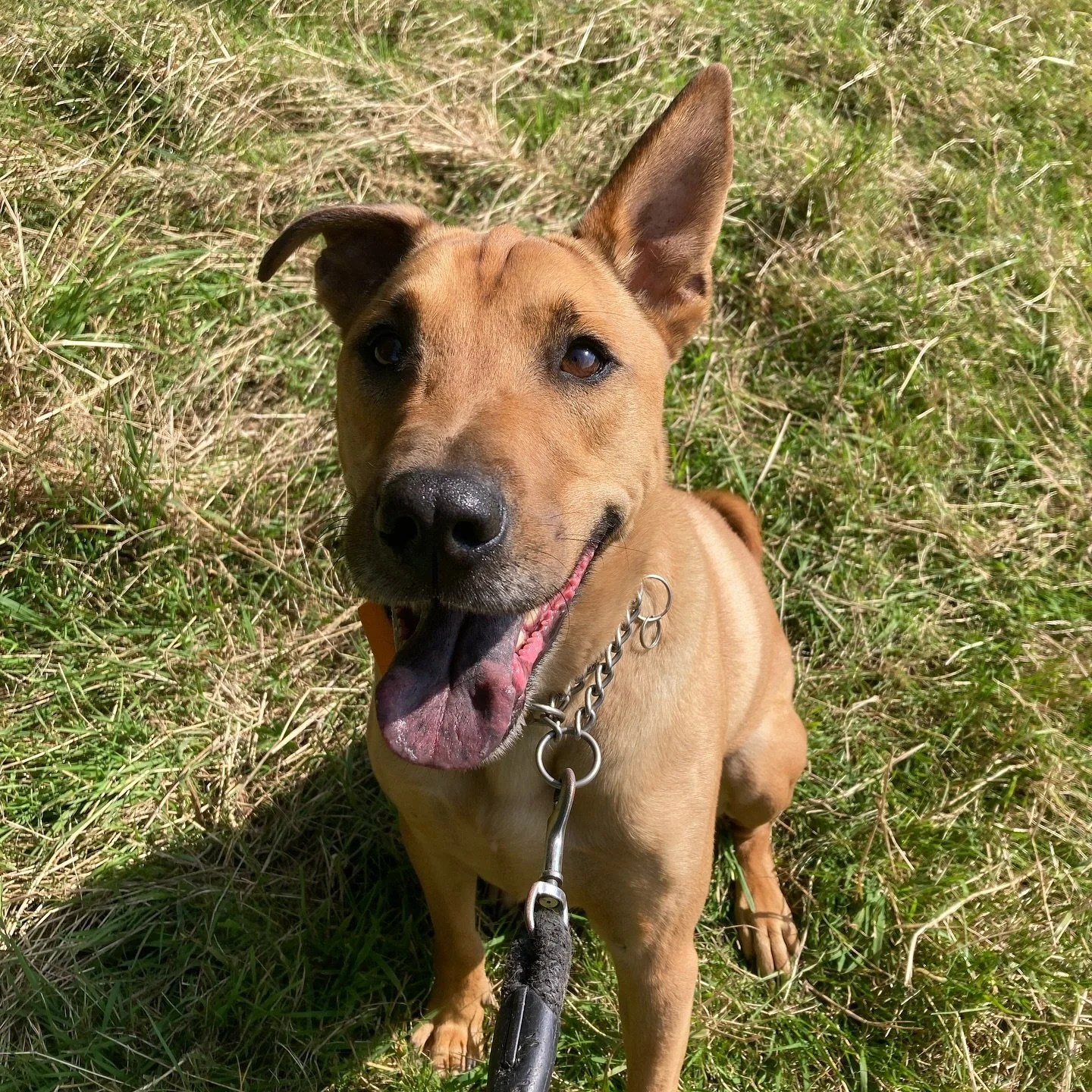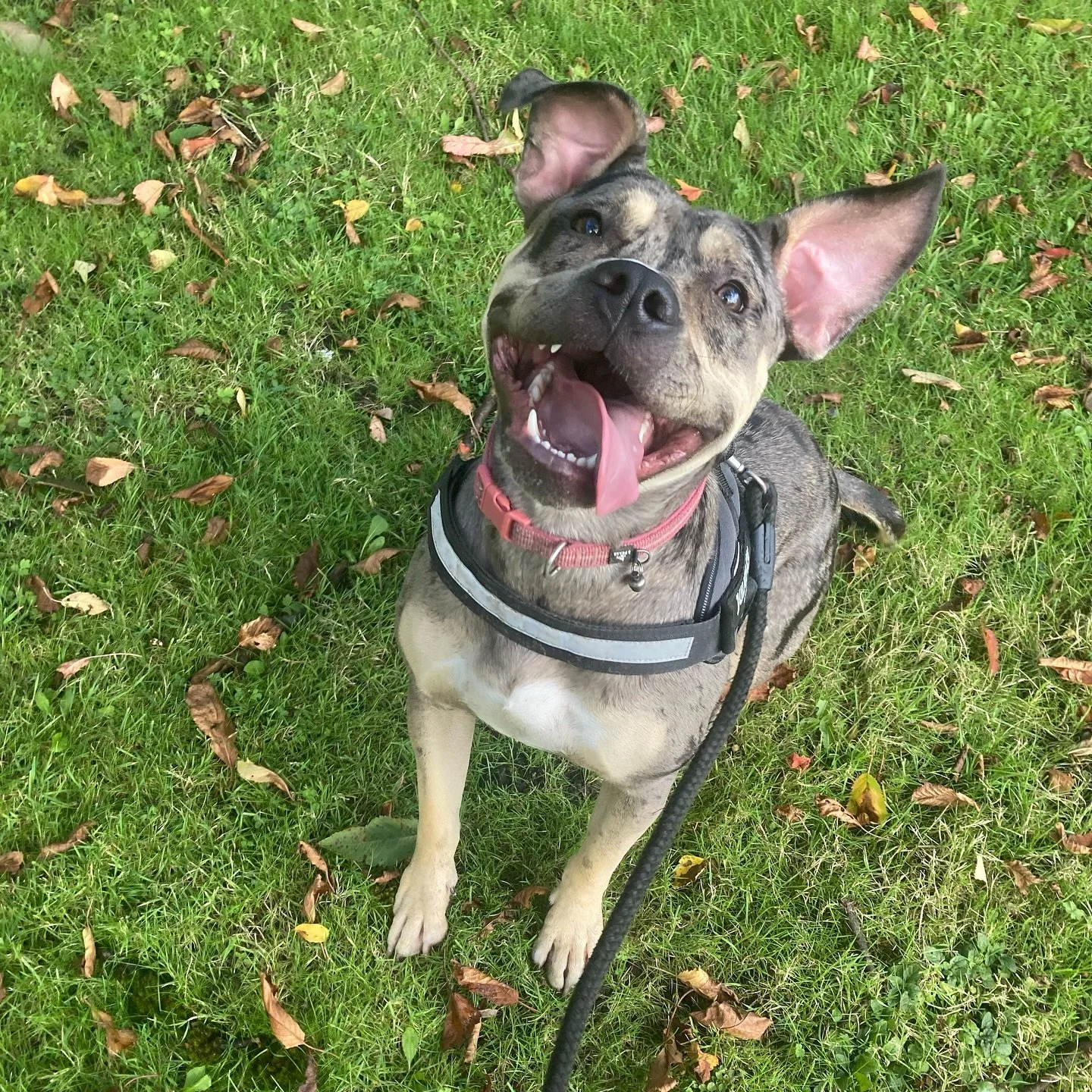
Helping your dog put their best paw forward by developing the focus, confidence and social readiness to join group walks safely and successfully, through a structured training course, tailored to your dog’s individual needs.
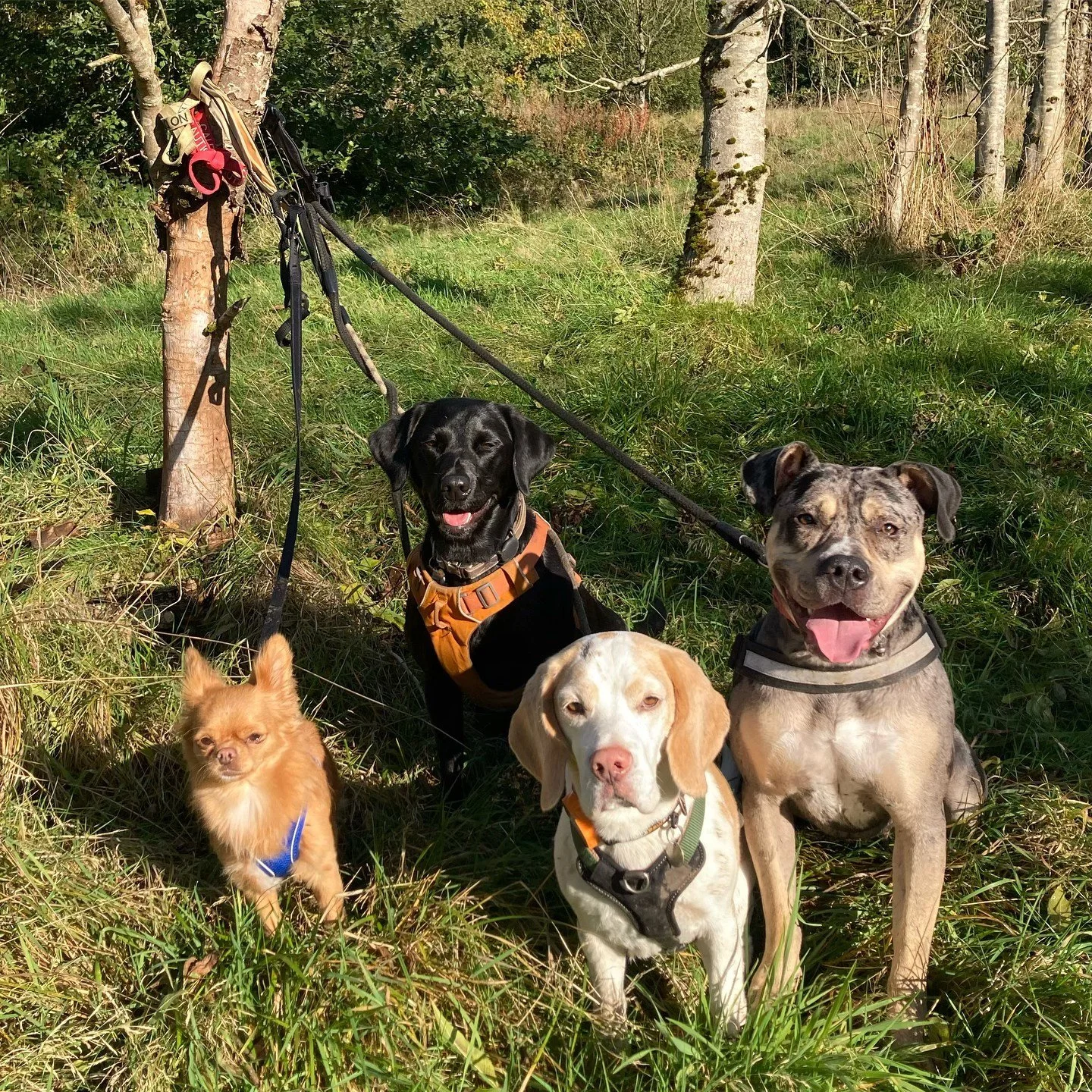
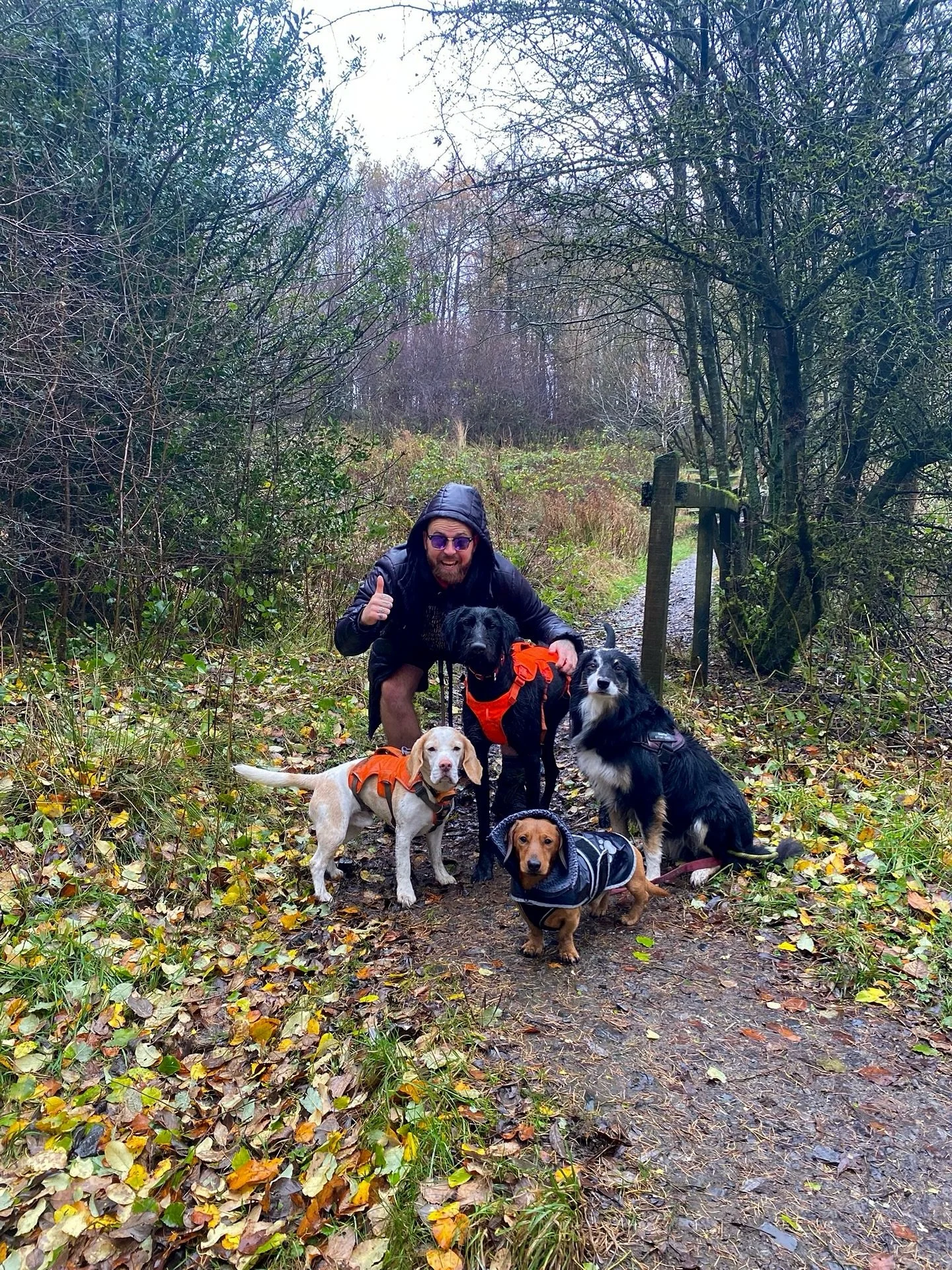
What is Mutts Momentum?
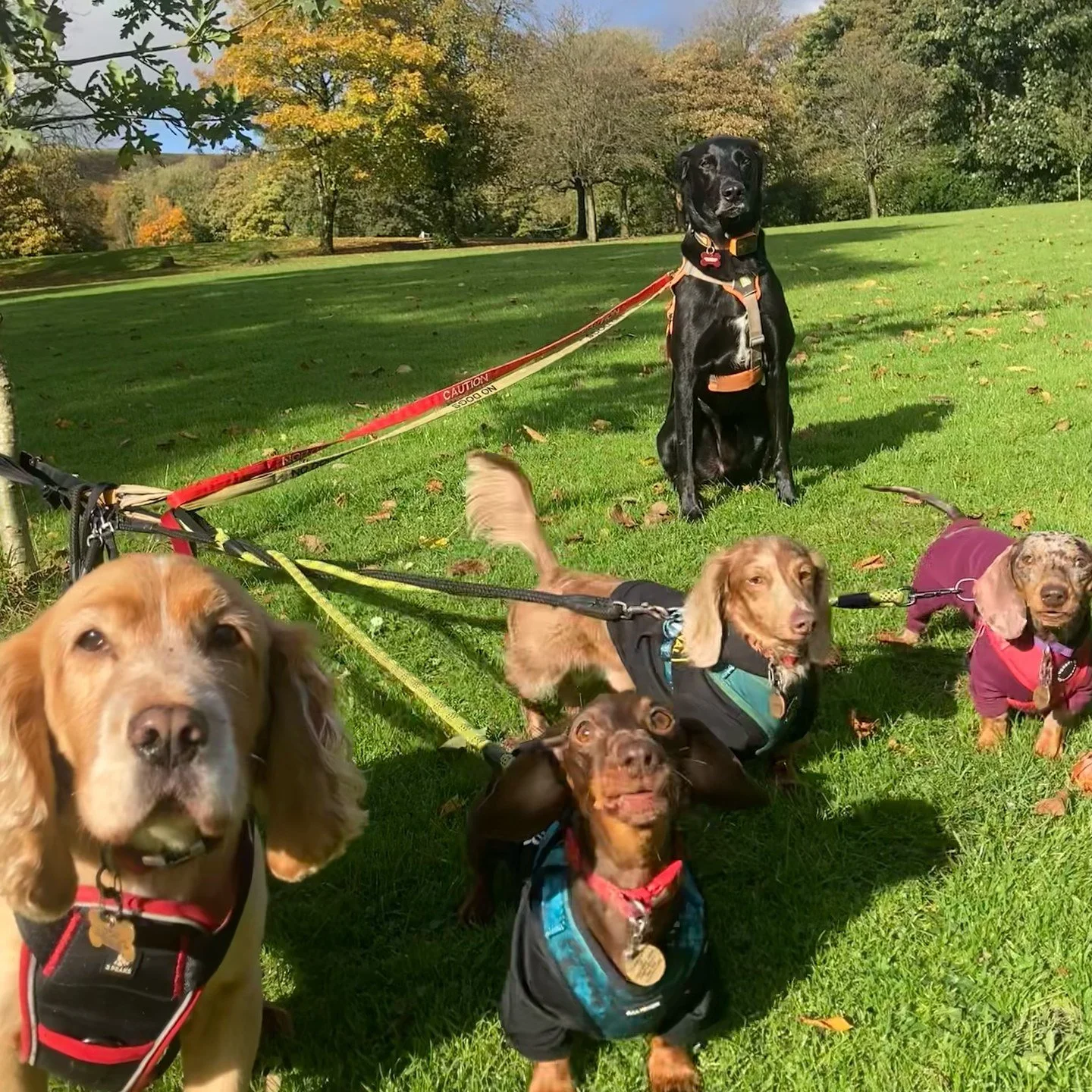
The purpose of a Mutts Momentum course is to bridge the gap between individual behavioural support and structured group walks. The course objective is to prepare dogs who are not yet ready for group walks but who wish to later join Mutts Mooches or another trusted dog walker’s group. Through calm, progressive one-to-one sessions, the course develops focus, confidence and social readiness, ensuring dogs can safely and happily integrate into group settings.
Course Structure
Initial Assessment Walk: 1 × 60 minute at £40
Sessions: 60-minute one-to-one training
Example Schedule: Monday, Wednesday, Friday
Optional Add-On: Additional weeks or supervised integration sessions if further preparation required before joining another walker’s group
Momentum Course Cost: £60 per session

What’s Included?
Full initial assessment walk report card: Clearly outlines your dog’s development areas rated from 1-5.
Summary following each session: To keep track of your dog’s progress throughout the course.
End of course report card: Demonstrates your dog’s improvements across their initial development areas and outlines their next steps: either “ready to graduate” or would benefit from further support.
Optional follow-up: Following graduation from their course, we will follow-up with you 2 weeks post integration into group walks (if integrating into group walks with another professional dog walker).

Kevin’s Mutts Momentum Journey
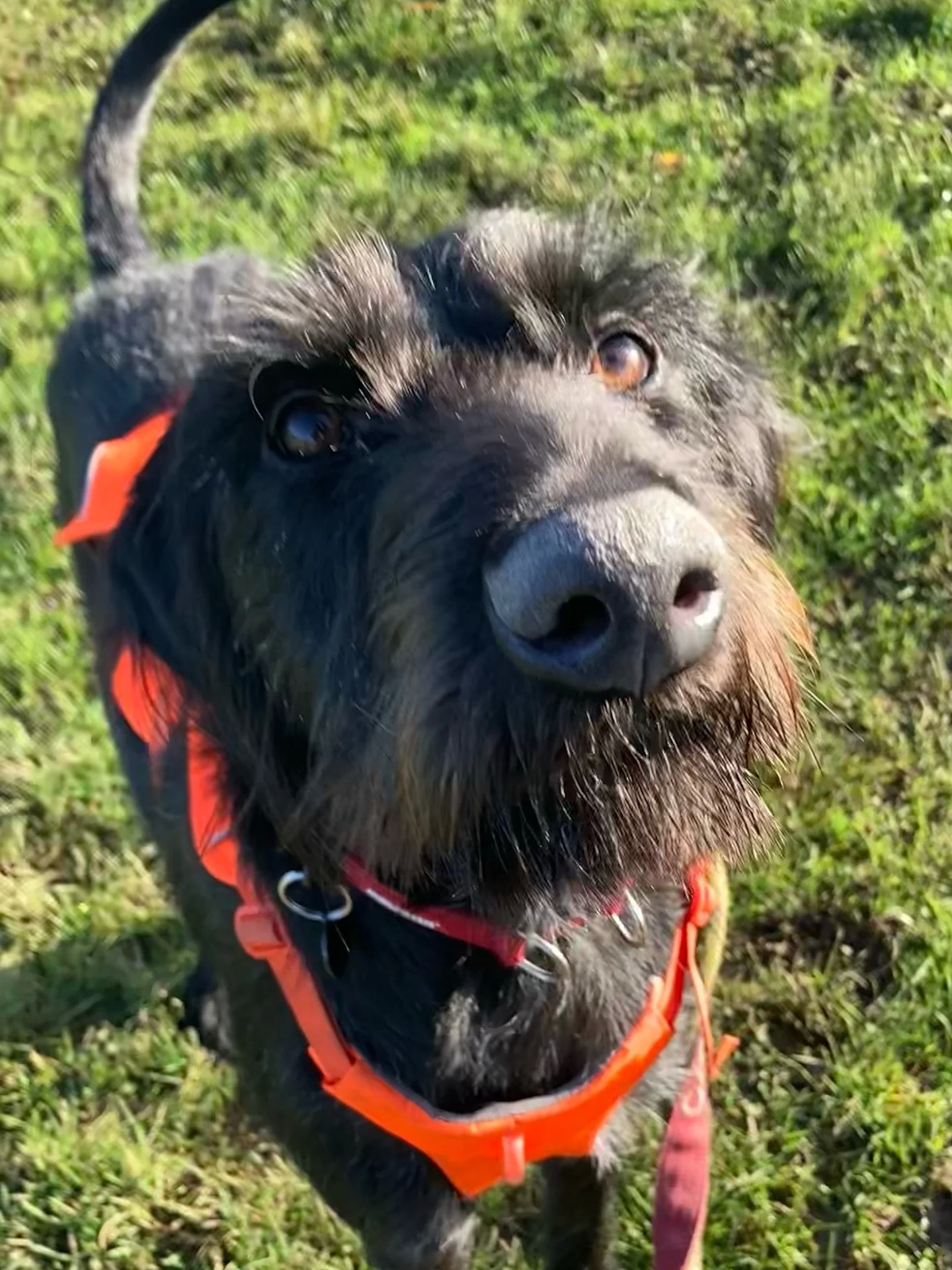
What does a typical Mutts Momentum journey look like?
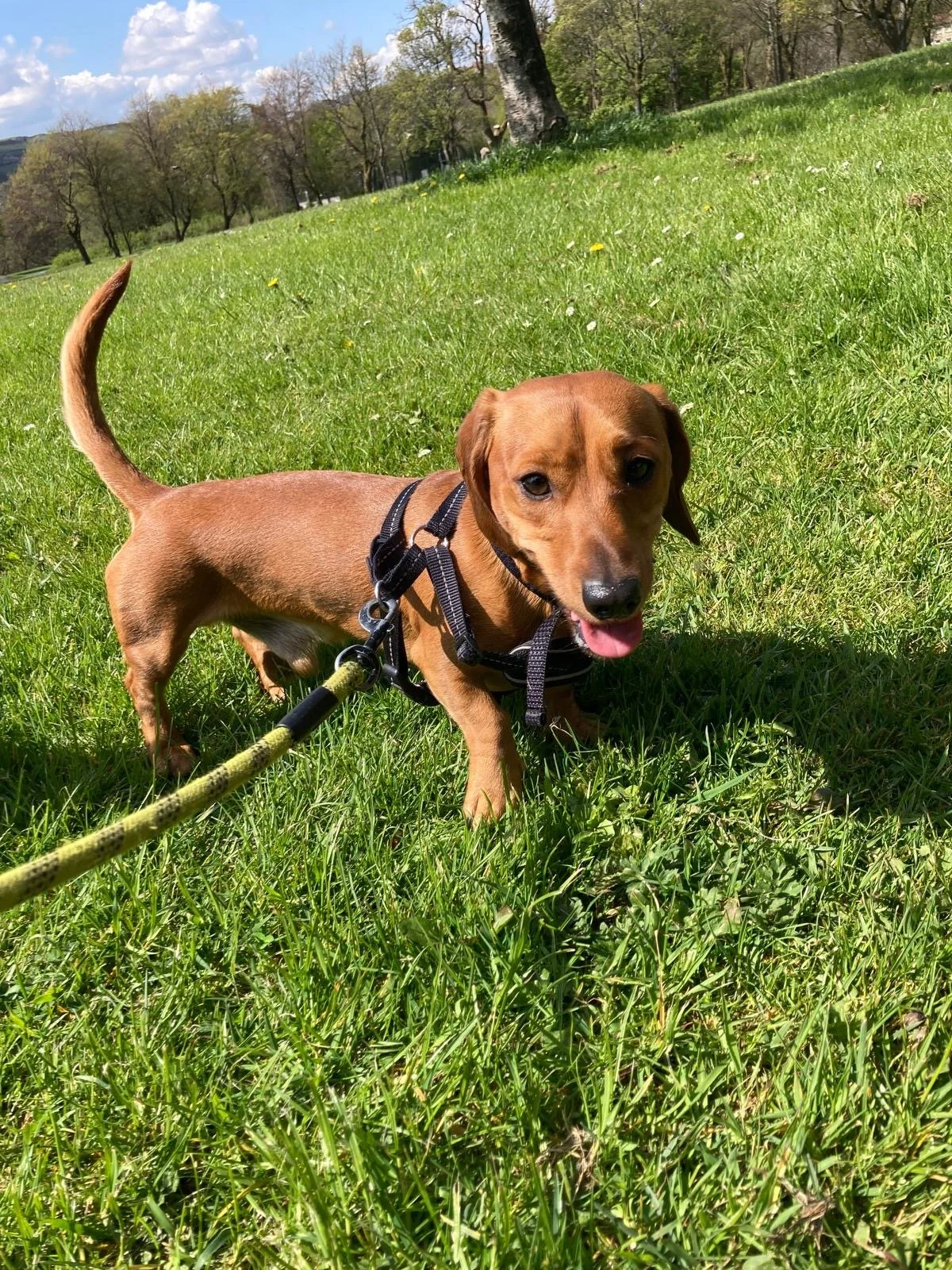
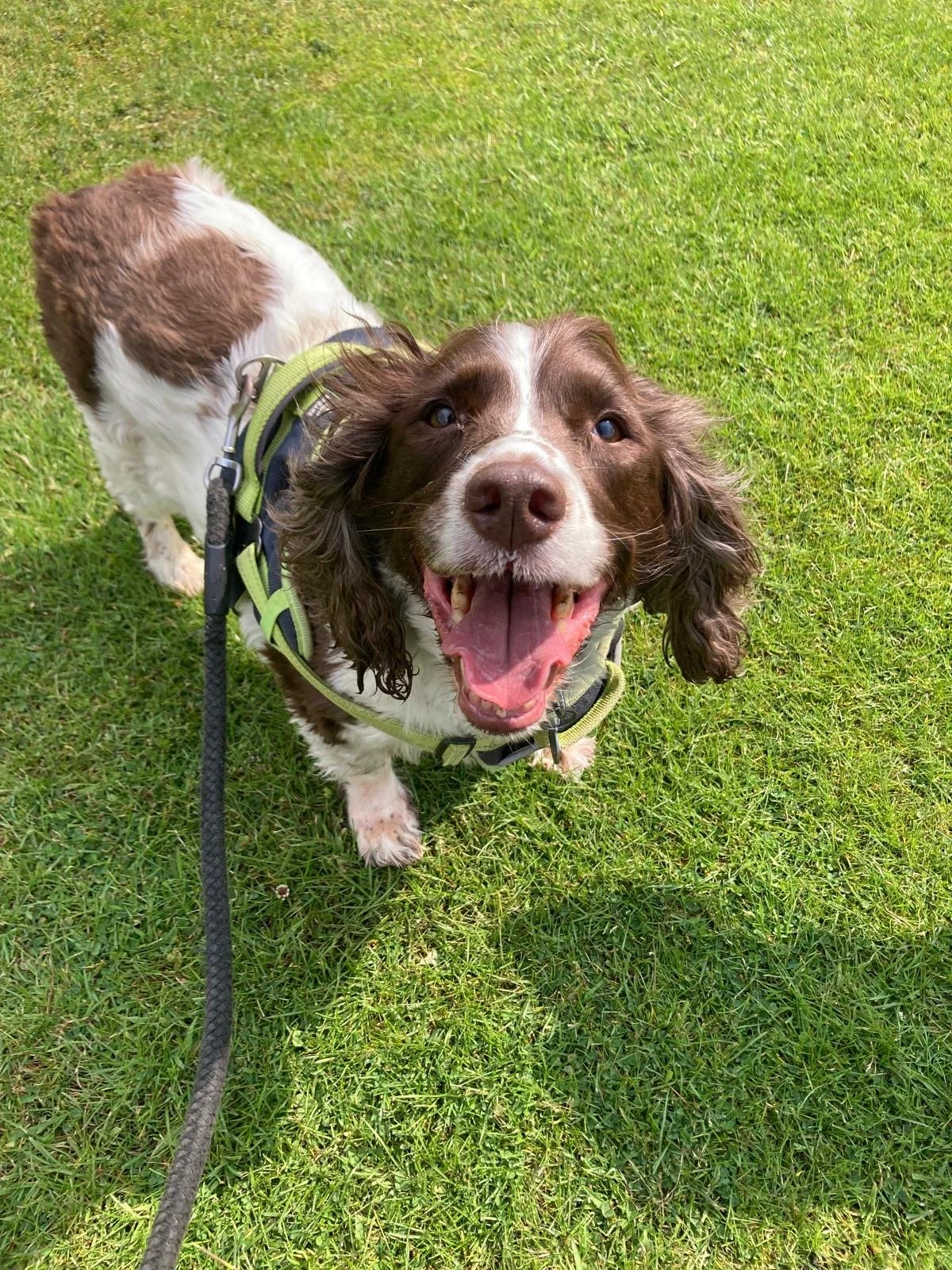
Meet Kevin, a 1 year old Spointer, who was referred to us by another professional dog walker due to challenges with integration into group walks. Kevin showed a kind and adaptable nature, but needed structure, focus and calmness to successfully integrate into a social environment. Throughout his initial assessment walk, he demonstrated strong potential for future integration into group walks. Following a 10-session course tailored to Kevin’s development areas, he has since successfully completed the Mutts Momentum Programme and is now a part of our Mutts Mooches group walks.
Kevin’s Mutts Momentum Programme supported him with the following development areas:

Calmness and Emotional Regulation
Kevin found it hard to stay calm around other dogs and new environments sometimes made him anxious, but with structure and consistent guidance, he learned to relax and settle on his walks. Lead Focus and Responsiveness
We identified Kevin's most high value treat (cheese) and reinforced his responsiveness to lead pressure to help him develop loose-lead walking skills. Impulse Control and Arousal Management
Through gradual exposure to different stimuli, including our stooge dog Bernie, Kevin learned to manage his curiosity and arousal levels, making calmer choices in distracting situations.Handler Engagement and Response to Cues
Initially easily drawn to birds, people and other dogs, Kevin learned to focus on his handlers through positive reinforcement, with regular unprompted handler check-ins and improved cue responses.Confidence in New Environments
Kevin initially presented with a cautious but investigative approach. Starting with quiet, predictable sessions, we gradually introduced new environments, helping Kevin build confidence and feel secure exploring unfamiliar places.Ability to Adapt to Structured Walks
Kevin quickly learned to benefit from predictable, structured walks and adapted well to a consistent routine, helping him stay focused, regulate his excitement and approach each walk with greater confidence.Our Behavioural Philosophy
At the heart of Martyn’s Mutts is a commitment to force-free, positive reinforcement methods. We believe that every dog deserves to be treated with kindness and respect, and that behavioural change comes through building trust, not fear.Rather than relying on outdated dominance models or punitive techniques, we work with dogs to understand the root causes of their behaviour. Whether it's anxiety, reactivity, or fear based responses, our goal is to help dogs feel safe, confident and empowered to make better choices. This means:
No aversive tools or punishments
We don’t use shock collars, choke chains, or intimidation.Science based methods
We rely on modern behavioural science, focusing on motivation and reinforcement.Empathy for both dogs and owners
Behavioural challenges can be overwhelming. We’re here to support, not judge.Our approach not only helps improve behaviour, it strengthens the bond between you and your dog through clear communication and mutual understanding. If you’re struggling with group walk readiness, you’re not alone and help is here. We’re here to help both owners direct and professional dog walkers who may be struggling to integrate a new dog into their existing groups.
Book your Mutts Momentum Journey with Martyn’s Mutts and let’s work together to create a calmer, happier life for you and your dog.
Certified in:
-
Understanding Canine Communication: Exploring how dogs communicate through body language, vocalisations, and behaviour.
Recognising Stress Signals: Identifying signs of stress or discomfort in dogs, including subtle cues.
Reading Positive Signals: Learning to recognise when a dog is comfortable and happy.
Contextual Interpretation: Understanding how context affects body language interpretation.
Applying Knowledge in Training: Using body language insights to enhance training and behaviour modification.
-
Understanding Aggression: Examining the different types of aggression in dogs, including fear-based, territorial, and social aggression.
Assessing Behaviour: Learning how to assess a dog’s behaviour and triggers, as well as recognising body language associated with aggression.
Behaviour Modification Techniques: Exploring effective techniques for modifying aggressive behaviour, including positive reinforcement strategies.
Safety Protocols: Understanding safety measures for handling aggressive dogs, both in training environments and in everyday situations.
Owner Education: Providing guidance on how to educate dog owners about aggression, including management strategies and when to seek professional help.
-
Understanding Human Aggression: Exploring the reasons behind aggressive behaviour directed towards humans, including fear, anxiety, and territoriality.
Identifying Triggers: Learning how to identify specific triggers for aggressive behaviour in dogs, such as certain situations, people, or environments.
Risk Assessment: Understanding how to assess the level of risk associated with a dog displaying aggression towards humans.
Behaviour Modification Strategies: Exploring various training techniques and behaviour modification strategies, focusing on positive reinforcement and desensitisation.
Safety Protocols: Discussing safety measures for handlers and owners when working with aggressive dogs to prevent incidents.
Owner Support and Education: Providing guidance on how to help dog owners understand and manage their dog's aggression, including when to seek professional assistance.
-
Understanding Resource Guarding: Examining what resource guarding is, including the types of resources dogs may guard (food, toys, space, etc.) and the underlying motivations.
Identifying Signs: Learning to recognise the signs of resource guarding, including body language and behaviours that indicate a dog is uncomfortable or protective.
Assessment Techniques: Understanding how to assess the severity of resource guarding behaviours and identify triggers.
Behaviour Modification Strategies: Exploring effective training techniques to address resource guarding, focusing on positive reinforcement and desensitisation methods.
Safety Measures: Discussing safety protocols for handlers and owners when managing a dog that exhibits resource guarding tendencies.
Owner Education: Providing guidance on how to educate dog owners about resource guarding, including management strategies and prevention techniques.
-
Understanding Separation Anxiety: Examining what separation anxiety is, including its causes and how it manifests in dogs.
Recognising Symptoms: Learning to identify common signs of separation anxiety, such as excessive barking, destructive behaviour, and house soiling.
Assessment Techniques: Understanding how to assess the severity of separation anxiety and identify triggers for the behaviour.
Behaviour Modification Strategies: Exploring effective training methods to help alleviate separation anxiety, including desensitisation and counter-conditioning techniques.
Creating a Supportive Environment: Discussing how to set up a dog's environment to reduce anxiety and promote comfort when left alone.
Owner Education: Providing guidance on how to educate dog owners about separation anxiety, including management strategies and when to seek professional help.
-
Understanding Puppy Development: Exploring the different stages of puppy development and the behaviours commonly exhibited at each stage.
Common Behavioural Issues: Identifying typical issues that arise during the puppy stage, such as nipping, chewing, and house training challenges.
Socialisation Strategies: Learning the importance of socialisation and how to safely expose puppies to various people, environments, and other animals.
Basic Training Techniques: Introducing fundamental training concepts, including basic commands, reinforcement techniques, and establishing good manners.
Preventative Measures: Discussing how to prevent behavioural problems from developing by providing appropriate outlets for energy and mental stimulation.
Owner Education: Guiding puppy owners on how to manage and support their puppy’s development, including establishing routines and expectations.
-
Fundamentals of Dog Training: Introducing key concepts of dog training, including the importance of positive reinforcement and the role of motivation.
Understanding Canine Behaviour: Exploring basic canine behaviour and learning how dogs learn, including different training theories and techniques.
Basic Commands: Teaching essential commands such as sit, stay, recall, and heel, along with effective methods for training these behaviours.
Communication Skills: Developing effective communication skills between the trainer and the dog, including body language and verbal cues.
Problem Solving: Identifying and addressing common training challenges and behavioural issues that may arise during training.
Socialisation: Understanding the importance of socialisation and how to safely introduce dogs to various environments, people, and other dogs.
-
An intensive hands-on program to build practical skills in coaching group dog training classes, covering essential skills such as structuring and planning classes, teaching effective training methods, and using observational techniques to assess both dog and handler progress.
-
By:

&

The Martyn’s Mutts Pack